Councillor SAM WHEELER says there’s a tangible shift in mood on the left in the city whose mayor has recently become PM — but there’s no room for complacency



Employment law: defend what we have, fight for better
The Employment Rights Act marks a major victory for workers, but without stronger enforcement and collective organisation, its promises may fall short, says ALICE BOWMAN

Communist Party leaders Alex Gordon and Lorraine Douglas deliver vital medicines in trip to besieged socialist island
TUC Cymru is playing a leading role in tackling far-right ideas in the workplace, says LAURA DOEL
A New Delhi press conference in which Sheikh Hasina and her son implied the new order in Bangladesh is a security threat to India has sparked fears she is planning a comeback. SIAM SAROWER JAMIL reports on the fallout
Two months of student unrest have forced out India’s education minister and rattled the BJP regime. Could this be the beginning of the end for Modi, asks Communist Party of India (Marxist) general secretary MA BABY
MAT COWARD says the heatwave is a testing time for gardeners — but he has some tips





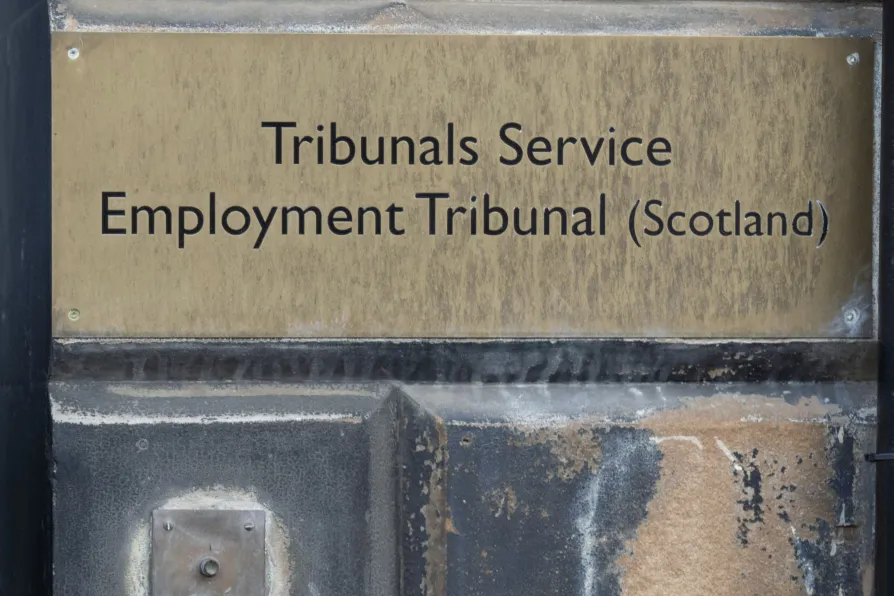
I HAVE been an employment solicitor representing trade union members for the best part of a decade and, to date, I have never seen such a significant rise in claimants bringing cases against their employers.
Recent data from the Employment Tribunal shows that, in the last quarter of 2025, the number of claimants initiating proceedings against employers increased by over 50 per cent compared with the previous year. Furthermore, the number of single cases in the tribunal system at the end of December 2025 also increased by nearly 50 per cent compared with the year before.
There could be a number of reasons for this. The use of AI-generated claim forms is on the rise, and employees may also have a greater awareness of their rights due to extensive press coverage of the Employment Rights Act 2025.
As the new provisions within the Employment Rights Act 2026 come closer to implementation, this trend is only expected to continue.
As many readers will be aware, the current qualifying period for unfair dismissal is two years. An employee must have at least two years’ continuous service to gain the right not to be unfairly dismissed.
This is set to be reduced to six months in January 2027. As unfair dismissal is the most common claim brought before the tribunal, the volume of cases after January 2027 is also expected to rise.
I could spend hours discussing the various reforms due to come into force. However, one of the most significant is the right not to be dismissed or subjected to detriment for participating in industrial action.
This is due to come fully into force in October 2026 and remains subject to supplementary regulations yet to be published. Further, the removal of balloting thresholds in the public sector and changes to the requirement for at least 50 per cent turnout (expected in August 2026) could, taken together, give collective power real bite.
All of this sounds positive: more rights for employees, more claims in the tribunal, more justice for working people?
In theory, yes. However, this increase in claims will inevitably create a significant backlog in the tribunal system.
If reports are accurate, cases lodged in early 2026 in south-east England are not expected to be heard until 2028.
Fortunately, in Scotland, backlogs are less severe. Nevertheless, the delays due to the volumes of cases may further weaken collective power and motivation to continue with claims. If the new Employment Rights Act is to deliver, more must be done to progress the volume of cases in the system.
Although the Employment Tribunal was designed to be a low-cost and user-friendly forum, claimants often struggle to represent themselves.
Many fall over procedural and evidential hurdles, finding it difficult to navigate complex areas of law. Access to justice remains far beyond reach for many working people, especially non-union members.
Employment law matters; it protects our class. These are hard-won rights. When we think back to the General Strike of 1926 and those brave comrades who faced imprisonment for standing up for themselves, much has improved. But that is not to say that the tribunal process, or employment law more broadly, is without fault.
The individualisation of rights reflects a fundamentally neoliberal approach: individual rights lead to individual remedies. This does little to challenge the balance of power between the capitalist class and working people.
Those enforcing their rights through the tribunal system can often feel isolated from the collective, even when they win. Occasionally, competing protected characteristics can fragment our class, with “identity” sometimes taking precedence over shared class interests.
Nevertheless, while it is far from a panacea for material inequality, the Employment Rights Act 2025 is potentially the most pro-worker legislation of a generation. We must protect the progress to date, always agitating for better.
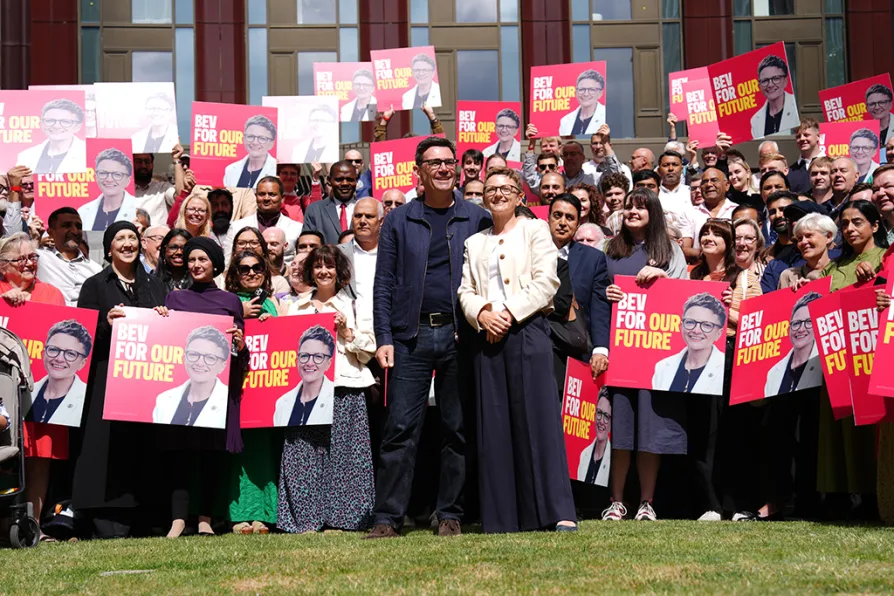
The recent election results show that Reform is on the rise. There have been calls for Keir Starmer to resign, with Andy Burnham emerging as a possible successor as Labour leader.
If the Employment Rights Act 2025 fails to deliver on its promises, it could spell disaster not only for Labour, regardless of who leads it, but for working people.
Reform has already suggested that, if elected, it would repeal the Equality Act 2010. Whether this is hyperbole or not, such threats should not be taken lightly.
The purpose of this article is to encourage trade unionists to familiarise themselves with legislative changes and to defend members’ interests in the workplace. We all know the bosses are prepared; we must be too.
As set out above, the Employment Rights Act represents progress, but it is not a cure-all.
We must defend what we have and fight for more. If we fail to do so, we risk seeing these gains eroded — or worse, stripped away entirely by the right — to the detriment of us all.
