After months of uncertainty over printing and distribution, the first Scottish-printed edition of the Morning Star is soon to roll off the presses


 Latest editorial

Air pollution in Ulanbaatar: tradition and adaptation
Coal-fired stoves in traditional homes are the primary source of extreme levels of air pollution in over-crowded Ulaanbaatar. As more people become climate-displaced, the situation is likely to worsen, write SCIENCE AND SOCIETY
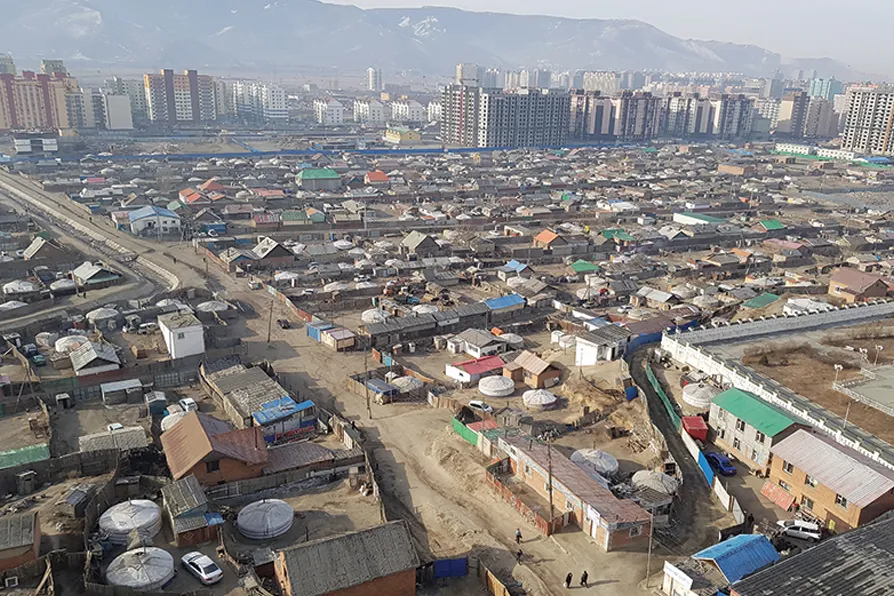 ADAPT NOT REPLACE: Ger districts against a backdrop of new high-rise buildings in Ulaanbaatar / Pic: Bearded/Newspaper ‘Number One’/CC
Some thinkers and authors on the right are openly discussing the possibility that the historically successful party of the British ruling class may be exhausted
Class struggle is the motor of history but the direction and detail of change at any time and place is the outcome of many factors, suggests the Marx Memorial Library and Workers’ School
Merseyside’s proud tradition of internationalism is being kept alive through events organised by trade unionists and allies in the region, writes ROBERT MACDONALD
JOHNNIE HUNTER reports from the German Communist Party’s (DKP) weekly Unsere Zeit (Our Newspaper)-organised Peace Days festival in Berlin last weekend
Les Preger was one of Manchester’s first volunteers to volunteer in support of republican Spain, writes his daughter JANEY PREGER
TONY BURKE surveys the shifting political landscape and the challenges Labour needs to address if it is to prevail in the 2028 federal elections





OF MONGOLIA’S 3.5 million inhabitants, 1.6 million of them live in its capital city, Ulaanbaatar. The high population concentrated in Ulaanbaatar is a relatively new development, the city having tripled in size since the 1990s. Originally founded as a nomadic Buddhist monastic centre in 1693, it became Mongolia’s preeminent religious centre. After the collapse of the Qing dynasty in 1911, Mongolia declared independence from imperial Chinese rule. Ulaanbaatar became the heart of the independence movement, particularly during the Mongolian Revolution of 1921.
The Mongolian People’s Republic, established in 1924, was the world’s second ever communist state. They renamed the city Ulaanbaatar (meaning “red hero)” and declared it the capital of the country.
Industrialisation followed, with traditional Mongolian dwellings replaced by prefabricated high-rise panel buildings. Careful urban planning developed Ulaanbaatar to house a population of roughly 600,000, which it reached in 1990, shortly before the Mongolian People’s Republic transitioned from socialism to market capitalism.
Replacing Mongolia’s centrally planned socialist economy with a free-market economy had several effects. The World Bank records a large GDP growth, from $2.5 to $23 billion between 1990 and 2026. This has also been accompanied by a dramatic increase in income inequality. And there has been a significant rise in migration to Ulaanbaatar.
The rapid population growth of Ulaanbaatar and the uneven pattern of economic development has led to severe poverty and extreme levels of air pollution.
An investigation into urban poverty in Ulaanbaatar by the World Bank in 2017 found that “the city has not adequately planned for growth in its population, with considerable gaps in availability of affordable housing stock closer to the city centre.” New arrivals to the city, unable to afford apartments, are forced to move into “ger districts” on the outskirts, named after the traditional tents that make up a significant proportion of the homes there. (In Turkic languages they’re known as yurts.)
Gers have been home to Mongolians for thousands of years. Initially developed to shelter nomadic tribes from the harsh conditions and extreme temperature shifts of the steppes, they are portable structures that can easily be packed down and rebuilt within a few hours. A ger is circular-shaped, with a wooden base that is covered with felt and canvas materials. The round shape protects against strong winds, allowing wind to flow around the ger, while the felt layers (made from sheep’s wool) provide excellent insulation from cold winters and warm summers.
Winters in Ulaanbaatar are bitterly cold and long-lasting. January’s mean temperature is −21.5°C, but can fall to −40°C. The city’s average yearly temperature is around −1 °C, an indication of just how long these freezing temperatures persist.
Traditionally, ger residents burn raw coal in iron stoves for heating and cooking. In the ger districts of Ulaanbaatar, this practice continues, as they are disconnected from the central heating system. Around one million people live in the ger districts in Ulaanbaatar, and coal-burning accounts for 80 per cent of total air pollution in Ulaanbaatar’s winters.
Ulaanbaatar is located at the bottom of a valley, creating a thermal inversion effect. This meteorological phenomenon means that a layer of warm air sits over a layer of denser, colder air near the ground, the opposite to the usual temperature decrease with altitude. The trapped air also keeps pollutants close to the ground, leading to very poor air quality in Ulaanbaatar, particularly in the winter months. For the past 15 years, annual mean concentrations of air pollutants have been between 6 and 14 times higher than World Health Organisation air quality guidelines.
The high levels of air pollutants in Ulaanbaatar increase mortality from respiratory infection and disease, lung cancer, heart disease and stroke. A 2024 United Nations report estimated that 7,000 people in Mongolia had been killed that winter due to air pollution, both inside and outside the home. Those who suffer most are children, with pollution being the second highest cause of death in under fives. Carbon monoxide poisoning is also common, killing over 800 people in Mongolia between 2018 and 2025.
One solution to Ulaanbaatar’s air pollution crisis is to build more affordable housing and apartment blocks in the city, moving people out of the ger districts. However, gers are a central tenet of Mongolian culture, and have been for thousands of years. Unesco recognises gers and their craftsmanship as part of the world’s cultural heritage. It would be a shame to lose this innovative form of housing, and indeed, many Mongolians are reluctant to do so.
Another solution is to adapt gers to more climate-friendly, and safer, ways of heating.
That’s the approach of a tech startup called Ureca (Universal Renewable Energy Certificate Accreditor), based in Singapore and co-founded by Mongolian physicist Unurbat Erdenemunkh. Their ongoing pilot project is called Coal-2-Solar (C2S), installing solar panels and electric heaters, as well as enhancing insulation within the gers. Eighty families are currently taking part, which is expected to rise to 180 by next winter. C2S is not perfect, relying partially on the national electric grid, which is still based on burning fossil fuels. However, innovations like this one show that traditional cultural practices don’t have to be abandoned to make technological progress.
Climate change has had devastating effects on Mongolia over the past few decades. Droughts are more common, as is a phenomenon called zud — the Mongolian word for the ground freezing so completely that herds starve to death. In 2024, extreme winter conditions killed more than 10 million grazing animals in Mongolia, forcing nomadic families to abandon their traditional herding lifestyles and seek work and schooling in the cities.
Climate change related displacement in Mongolia is likely to continue, and those it displaces will have to find places to live in cities that weren’t built for such rapid urbanisation.
Rather than assuming that traditional homes are automatically “primitive” and should be replaced by “modern” housing, it’s worth exploring ways of adapting them, as people have always done throughout their history.
Adaptations like those being explored by the C2S project may become ever more critical. The danger is that this crucial task is left to small startups, rather than being taken up in earnest by the state.

Similar stories
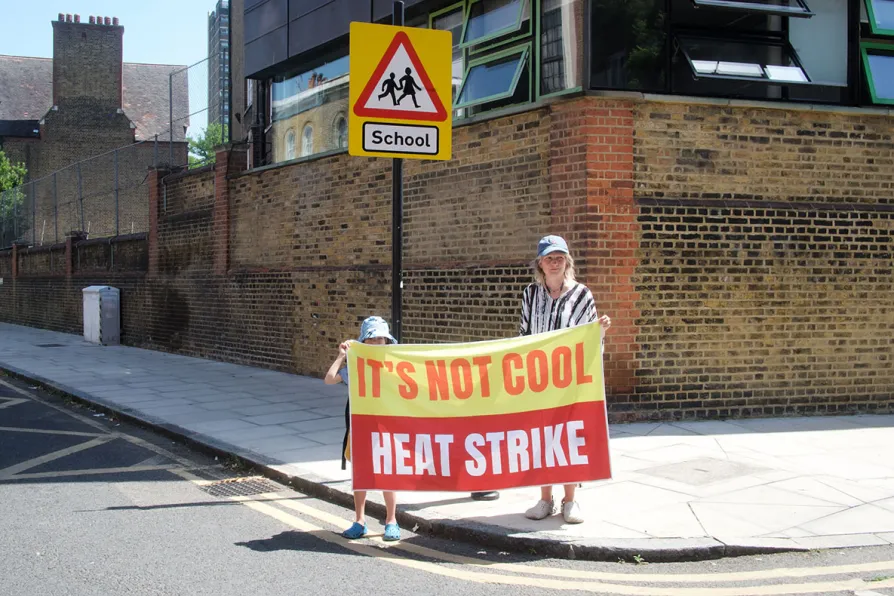
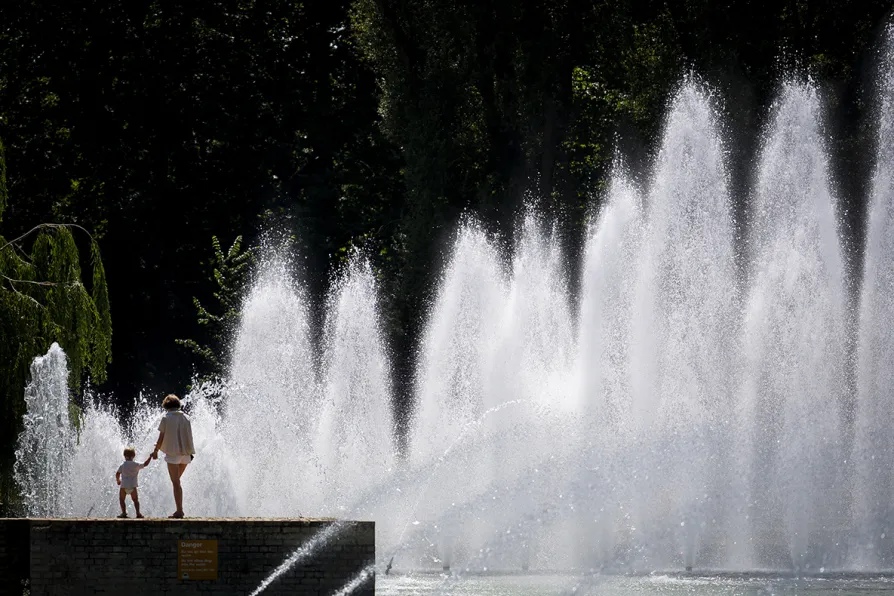
The recent heatwaves revealed how ill-prepared Britain remains for a hotter future – and how unequal the ability to cope with it has become, write ROX MIDDLETON, LIAM SHAW and MIRIAM GAUNTLETT
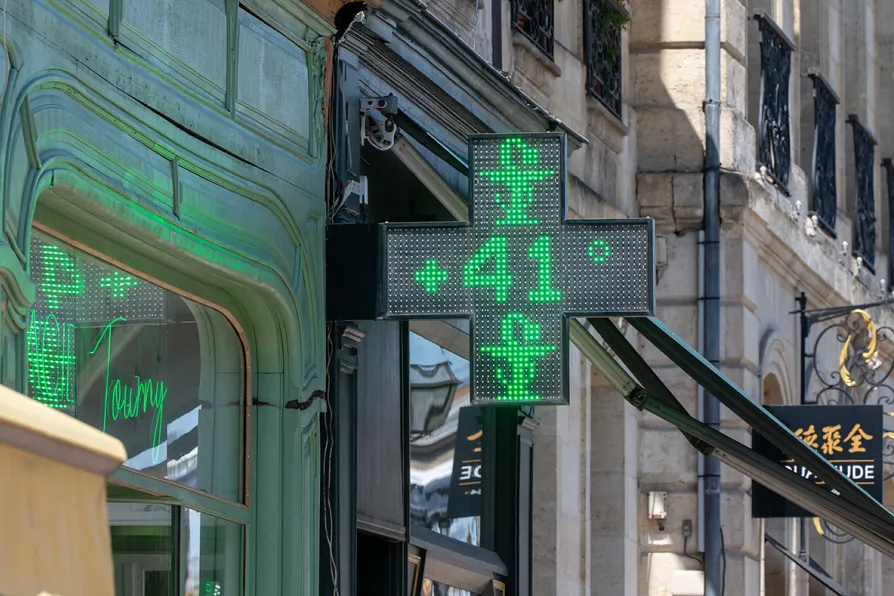
Extreme heat is now one of the defining public health challenges of a warming world, explains Prof IAN WILLIAMS
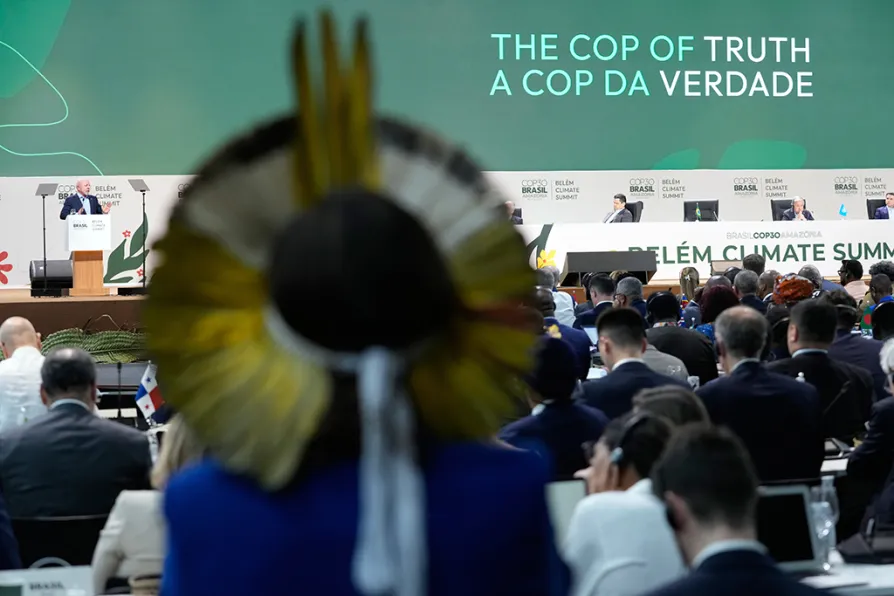
From summit to summit, imperialist companies and governments cut, delay or water down their commitments, warn the Communist Parties of Britain, France, Portugal and Spain and the Workers Party of Belgium in a joint statement on Cop30