
PETER MASON applauds the revival, 39 years later with the same team and cast, of Manfred Karge’s version of Brecht’s 100-year-old play, Mann Ist Mann

All hands to the pump
IAN SINCLAIR recommends an important and timely book for climate politics right now and in the future
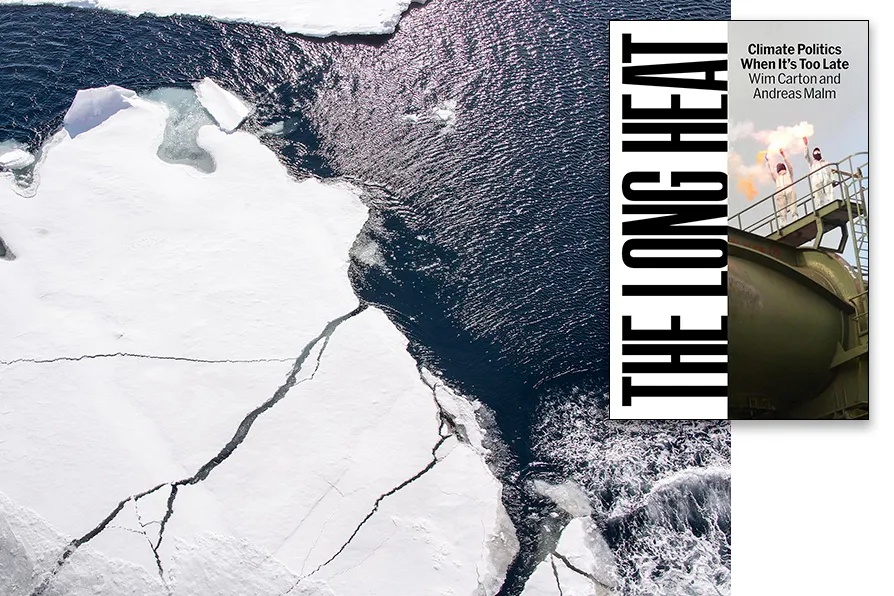
 Sea ice reflects 50% to 70% of incoming sunlight, while the ocean reflects only 6%. As an area of sea ice melts and exposes more ocean, more heat is absorbed by the ocean, raising temperatures that melt still more ice [Pic: Christopher Michel/CC]

MAYER WAKEFIELD applauds a fearless attempt to bring to the stage the 1984 toxic gas disaster in Bhopal, India
ALEX HALL applauds the account of a dogged, traumatic and punishing campaign for justice that has lasted from 1998 to the present day
NICK WRIGHT laments the political bias of an epic attempt to tell the history of the liberation of France from the Nazis, that excludes both the decisive contribution of the Soviet Red Army, and of the French communist party itself
JOE GILL traces the ideology and method of contemporary imperialism back to the greed, hubris and violence of the late 15th century Portuguese





The Long Heat: Climate Politics When it’s too Late
Wim Carton and Andreas Malm, Verso, £35
SPEAKING at the recent National Emergency Briefing on Climate and Nature, Professor Kevin Anderson noted we are likely to see a 2°C global temperature rise by 2050, with “a small but very real risk” of 4°C by the end of the century.
“The prospects of 3 or 4°C of warming are absolutely dire,” he explained, with “an extreme and unstable climate far beyond any safe zone that has nurtured our civilisation” and “unprecedented societal and ecological collapse.”
Win Carton and Andreas Malm, academics at Lund University in Sweden, share Anderson’s terrifying prognosis.
With mitigation failing to keep below the Paris Agreement’s aim of 1.5°C, they note three broad options are often discussed: adaptation to the worsening climate, carbon dioxide removal and geoengineering (eg intercepting solar radiation before it reaches Earth).
They are particularly interested in interrogating the idea of overshooting and then returning to 1.5°C — something that underpins many of the UN Intergovernmental Panel on Climate Change’s scenarios for keeping to 1.5°C.
Long story short: the authors maintain all the main technological methods for reducing carbon emissions, including planting forests to Direct Air Capture (DAC) and Bioenergy with Carbon Capture and Storage (BECCS), and particularly geoengineering, are inadequate and “bound to set off novel spirals of disaster and dissent.” There’s simply not enough free land for BECCS or the huge forests required to make a serious dent in carbon emissions. DAC hasn’t been tested at scale.
Furthermore, it is likely tipping points identified by climate scientists, such as irreversible changes to the Greenland ice sheet or the Amazon rainforest, mean it won’t be possible to stop runaway impacts and return the temperature to a safe level, even if greenhouse gases are reduced after overshoot.
And of course, none of the proposed solutions deal with the source of the problem — growth-orientated economies that are spewing out carbon emissions.
A sequel of sorts to the authors’ 2024 book Overshoot: How The World Surrendered To Climate Breakdown, The Long Heat is a detailed critique of the likely negative consequences of “techno-optimist” responses to the climate crisis.
There’s lots to digest (there are 180 pages of references), though my guess is their repeated attempts to shoehorn the ideas of Hegel, Lenin, Marx, Adorno, Benjamin and Freud into their arguments will make some sections close to unreadable for many people. There is also an almost singular focus on carbon emissions, with little concern about the attendant ecological crisis.
Nevertheless, this feels like an important and timely book for climate politics right now and in the future.
While the authors believe the dangers of geoengineering means “there can only be opposition, uncompromising, Luddite opposition,” they conclude that rewilding and forest regeneration, along with some DAC, could be part of the global suite of responses, which ultimately needs to centre “revolutionary mitigation” as the primary strategy.
They repeatedly present the IPCC as a conservative body which often underplays the seriousness of the threat. Most importantly, the book confirms that we are in deep, deep shit, with the global political and economic elites banking on solutions to the civilisation-endangering climate crisis that either don’t yet exist at scale, or are unlikely to work.
While the authors only briefly discuss the role of mass movements in the struggle to avert disaster, it’s clear an epic, decades-long fight with the rich and powerful is inescapable if we are to maintain a liveable planet — the goal being dismantling the fossil fuel economy as soon as possible.
An immense, almost unfathomable task, the authors note today’s climate movement “has yet to develop anything like the striking force of the early proletariat” which won the Ten Hours Act of 1847.
Yet they argue hopefully that “no-one knows how quickly the business of fossil fuels could … come undone,” before approvingly quoting Lenin from 1920: “we don’t and cannot know which spark … will kindle the conflagration.”
All hands to the pump, then.

Similar stories
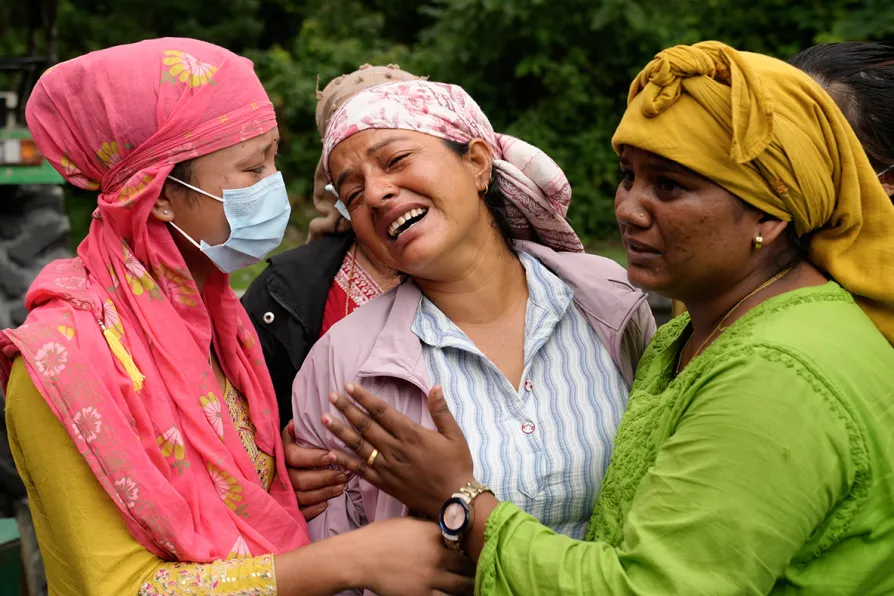
The glacier collapse in Nepal is yet another warning that a warming planet is making Himalayan disasters more frequent and destructive – but the countries facing the greatest risks are often those least responsible, says LI YANG
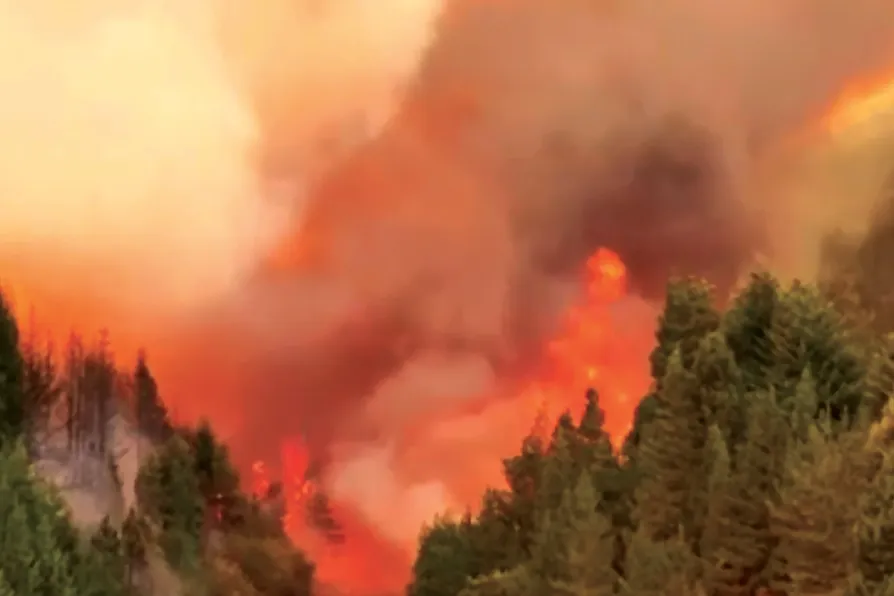
Established as a landmark victory for the climate movement, the CCC promised to hold governments to account. Today, it is understating the danger of climate chaos and impeding the radical action needed, says IAN SINCLAIR
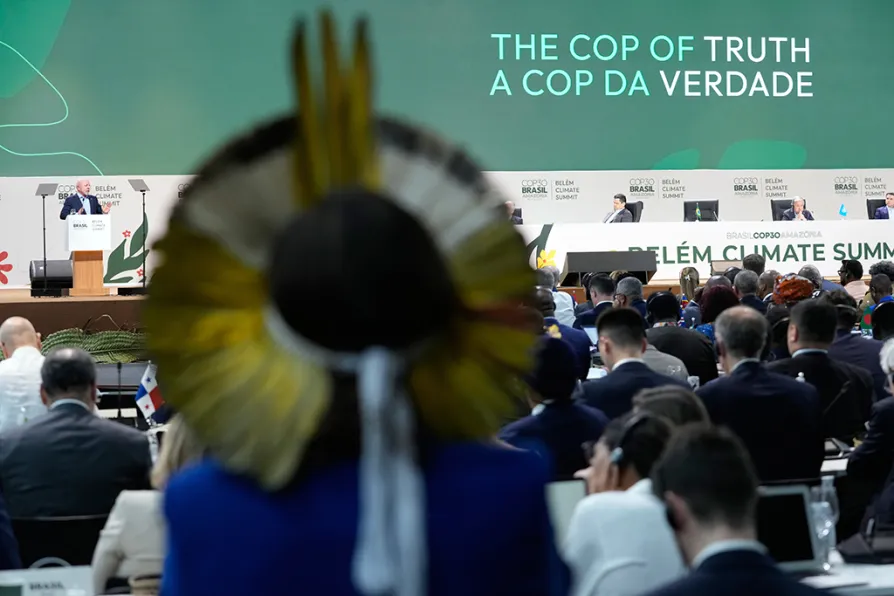
From summit to summit, imperialist companies and governments cut, delay or water down their commitments, warn the Communist Parties of Britain, France, Portugal and Spain and the Workers Party of Belgium in a joint statement on Cop30
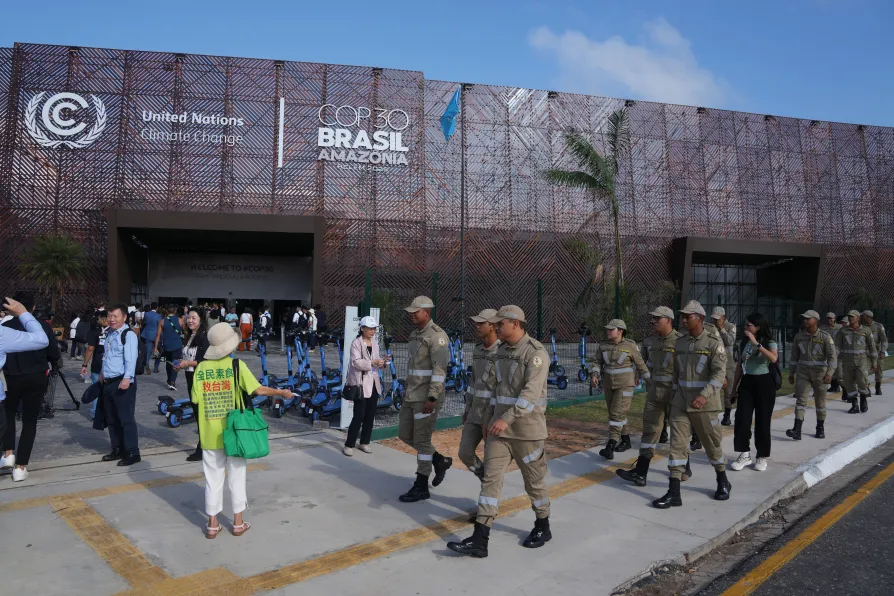
Reaching co-operation is supposed to be the beginning, not the end, of global climate governance, argues LISA VANHALA