The new Prime Minister must abandon decades of automatic support for US foreign policy, which makes us all less safe, argues DIANE ABBOTT MP


 Latest editorial

Ypres revealed the true nature of World War I
JOHN ELLISON looks back 100 years ago to the mid-point of the Ypres offensive and the beginnings of peace

Media Lens at 25: David Cromwell and David Edwards reflect on a quarter-century of media criticism, explaining why independent journalism is more important than ever
by Weyman Bennett and Maz’s family
The International Court of Justice has delivered its clearest ruling yet that the right to strike is protected under international law, write Professor TONIA NOVITZ, Professor KEITH EWING and Lord JOHN HENDY KC
Emergency phone alerts could help Britain respond to rising wildfire risk, but Australia’s experience suggests they work best as part of a broader strategy, write ELLIOT CONVERY-FISHER and KATE PARKINS
A champion motorcyclist, trade union organiser and communist, Clem Beckett went from Britain’s speedway tracks to the battlefields of Spain, where he gave his life resisting Franco’s forces at Jarama. GEOFF BOTTOMS pays tribute to this remarkable anti-fascist





A century ago today was the mid-point of the third British Ypres offensive on the western front. It was not then popularised as the Battle of Passchendaele, because the taking of that pulverised former village (by Canadian soldiers) was more than six weeks away.
Ordered by King George V’s friend and working-class enemy commander-in-chief Sir Douglas Haig but carried out — with vast casualties — by his troops, the campaign began on July 31 (after 10 days of artillery bombardment) and was concluded on November 10, without any confession of guilt for another bloody failure.
Haig had believed that the German armies were close to breaking point, that attacks aimed at extending the Ypres bulge at the front would pierce the German lines, and enable the British armies to swing northwards and on to the Belgian coast.

Similar stories
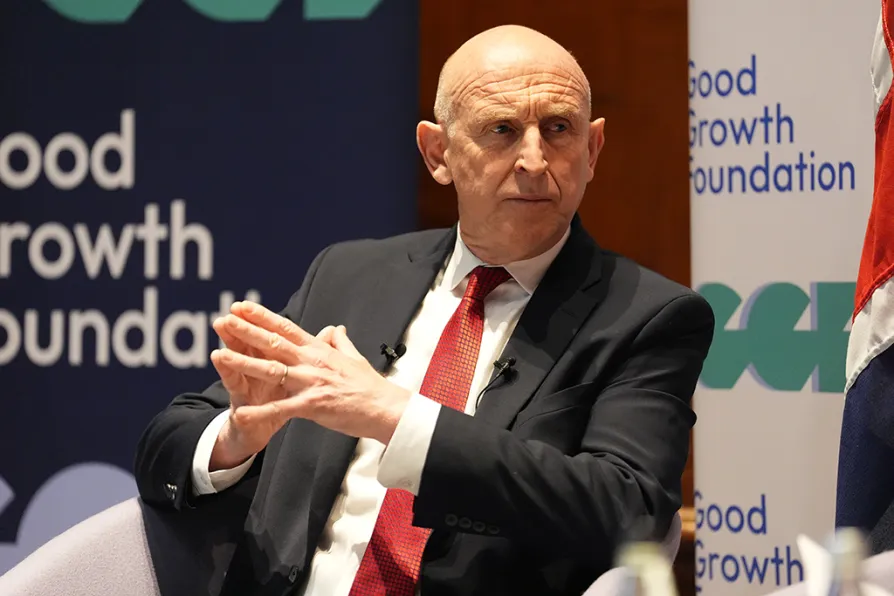
The defence secretary’s resignation reveals not a split over principle but a dispute over pace of military spending, as Britain’s political Establishment unites behind deeper Nato commitments, argues NICK WRIGHT
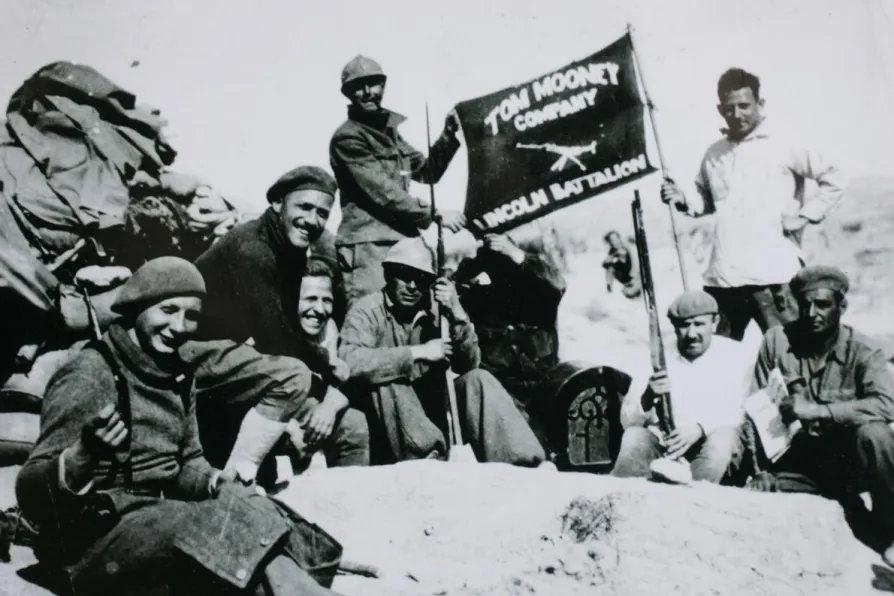
CJ ATKINS commemorates one of the most dramatic moments in working-class history

In a speech to the 12th Xiangshan Forum in Beijing, SEVIM DAGDELEN warns of a growing historical revisionism to whitewash Germany and Japan’s role in WWII as part of a return to a cold war strategy from the West — but multipolarity will win out

Corbyn and Sultana’s ‘Your Party’ represents the first attempt at mass socialist organisation since the CPGB’s formation in 1921, argues DYLAN MURPHY