Committee for the Defence of the Iranian People’s Rights general secretary GAWAIN LITTLE discusses the impact of the US-Israeli war on the Iranian people and economy


 Latest editorial

Hell’s blue sky: the story of drone warfare
Since 2004 there have been a minimum 6,786 US drone strikes killing up to 12,105 - with a possible 1,725 of those killed being civilians. MILES ELLINGHAM asks — how did we get here, and where are we going?
 [Luke Montefiore]

Capitalism has extracted itself from crisis before, argues PRABHAT PATNAIK – but through methods no longer available. So it is turning to authoritarianism, militarism and neocolonialism
The five young men killed in the A66 crash were responsible for a devastating tragedy — but the crash should force us to ask difficult questions about wider society, argues RENATA MEDEIROS MIRRA
Britain funds the policing of black culture 16 times better than the culture itself. The Diamond Jubilee is the moment to end that, argues CLAUDIA WEBBE
Despite Andy Burnham’s declaration defending the continued partition of the island, all major international and internal trends are converging to make Irish reunification inevitable
Humans are part of the ‘animal kingdom’ – and of nature in general – but also distinct from it and labour (work) is part of what makes us unique, declared Engels. His insights 150 years ago into how our species came to be and how we differ from the rest of nature, are as important today as they were then, says the MARX MEMORIAL LIBRARY





IN 2013, a 13-year-old Pakistani boy named Zubair told the US Congress, “I no longer love blue skies. In fact, I now prefer grey skies. The drones do not fly when the skies are grey.” Though the spectacle of Donald Trump’s presidency has obscured the discussion of drone attacks, which had begun in Barack Obama’s trigger-happy tenure, remote strikes by the US military have increased since 2016. And they have gone under the radar. In 2019, the Trump administration revoked a policy requiring intelligence officials to publish the number of civilians killed in drone strikes outside war zones.
So, with Pakistani boys afraid of clear, blue skies and the civilian death toll from remote warfare now obscured from view, it’s necessary to ask — how did we get here?
The ascendance of remote warfare, and the ubiquity with which it is utilised today, have been a long time coming. Though the modern, weaponised drone may seem a recent invention, its conceptualisation goes back more than a century.

Similar stories
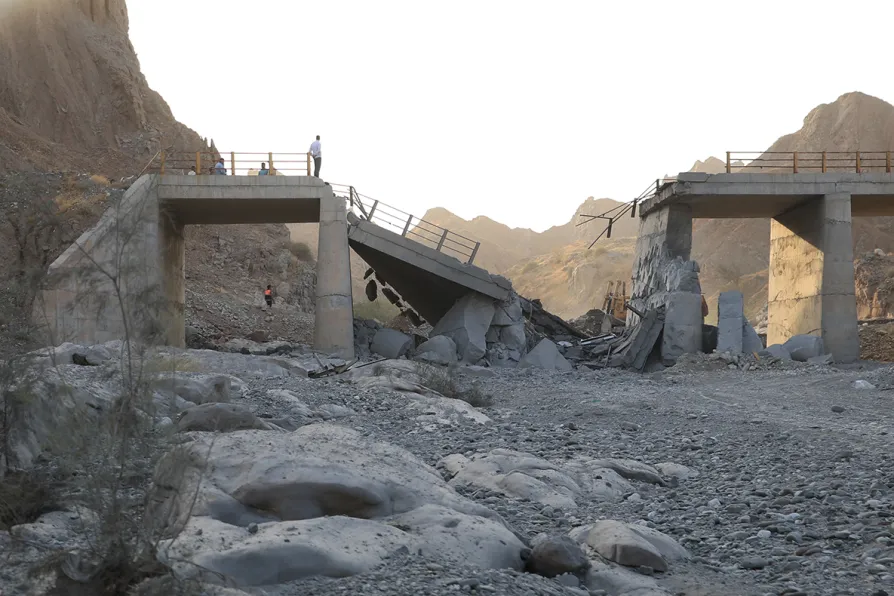

Washington’s response to a downed jet shows a superpower still reaching for overwhelming force even as its wars repeatedly fail, says NICK WRIGHT

As the government quietly upgrades the role of Britain’s special forces, their growing global footprint and near-total exemption from democratic oversight should alarm us all, says ROGER McKENZIE

To defend Puerto Rico’s right to peace is to defend Venezuela’s right to exist, argues MICHELLE ELLNER