ROB WARZYNIAK recalls the emblematic 1906 book, The Jungle, in its analysis of the crisis presently engulfing the US Food and Drug Administration


 Latest editorial

Friedrich Engels: organiser, thinker and joint author of the Communist Manifesto
JOHN FOSTER pays tribute to Friedrich Engels on the 200th anniversary of his birth
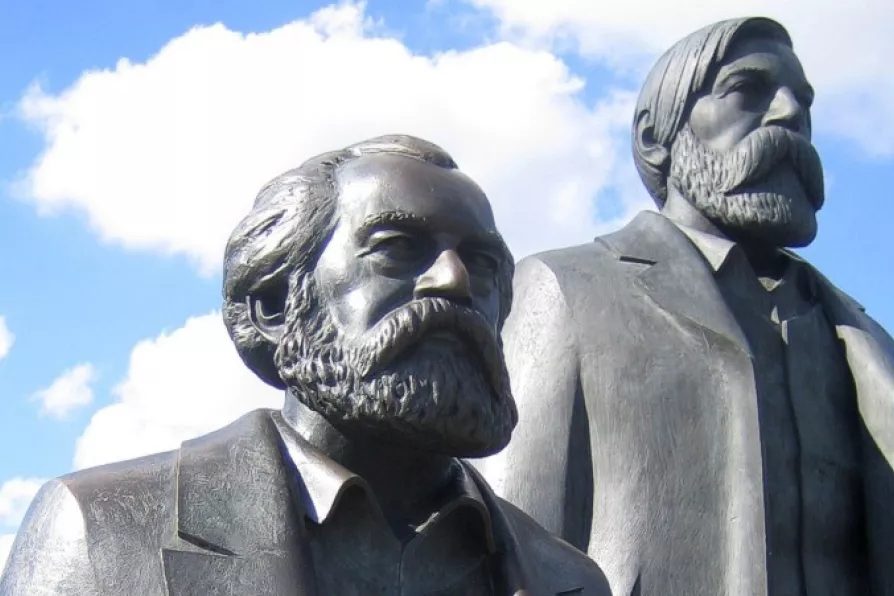 Engels (right) with Marx, statue in Berlin
[Manfred Bruckels/cc]
Engels (right) with Marx, statue in Berlin
[Manfred Bruckels/cc]

Welsh wanderings showcase fiery destruction, alternative water ways and revive memories of a local mining legend, writes MARK SEDDON
As thousands die in the eastern DRC, a global health emergency is being starved of funds, says S KRISHNASWAMY
MAT COWARD explains how in the 17th century a row over whether to kneel at communion became a battle over religion, class and royal power
Renewed illusions in social democratic reformism are sprouting as a result of Andy Burnham’s rhetoric, but material conditions are already intruding into the debate, argues NICK WRIGHT
Andy Burnham could learn a few lessons from a previous Labour government in the pre-privatisation era on how to tackle water shortages, writes KEITH FLETT





IN CELEBRATING the 200th anniversary of the birth of Friedrich Engels it is difficult to overestimate his contribution both to the development of the international working-class movement or to Marx’s own theoretical work and its wider dissemination.
Engels was an organiser. He was a profound critic of capitalist society. He developed a pathbreaking analysis of the origins of class societies and of gender relations.
And he did this in a close working partnership with Marx — a partnership that ensured Marx’s own work of transcendent genius was fully preserved and made available to our movement.
First and foremost, I want to stress the importance of Engels’s first book The Condition of the English Working Class.

Similar stories

Humans are part of the ‘animal kingdom’ – and of nature in general – but also distinct from it and labour (work) is part of what makes us unique, declared Engels. His insights 150 years ago into how our species came to be and how we differ from the rest of nature, are as important today as they were then, says the MARX MEMORIAL LIBRARY

SETH SANDRONSKY recommends a Marxist critique of the ‘race-first’ views of the influential black US theorist Cedric Robinson

Dignity is important to all humans, argues the Marx Memorial Library and Workers’ School, but it does not come about automatically. In a less than perfect world, dignity can accompany suffering, but the collective dignity of working people is achieved through acting together to change the world.
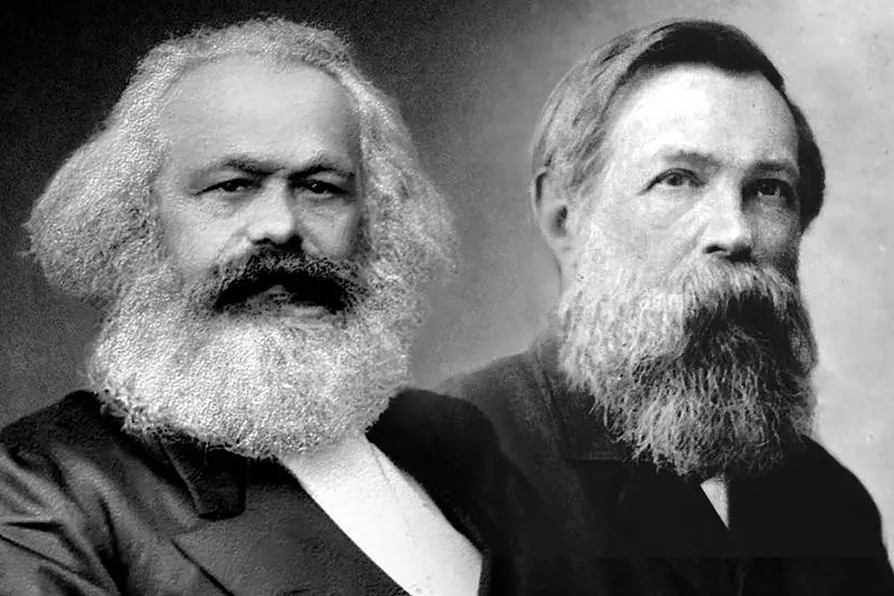
The Isle of Wight’s Victorian holiday boom drew visitors from across Europe, including the founders of scientific socialism, writes KEITH FLETT