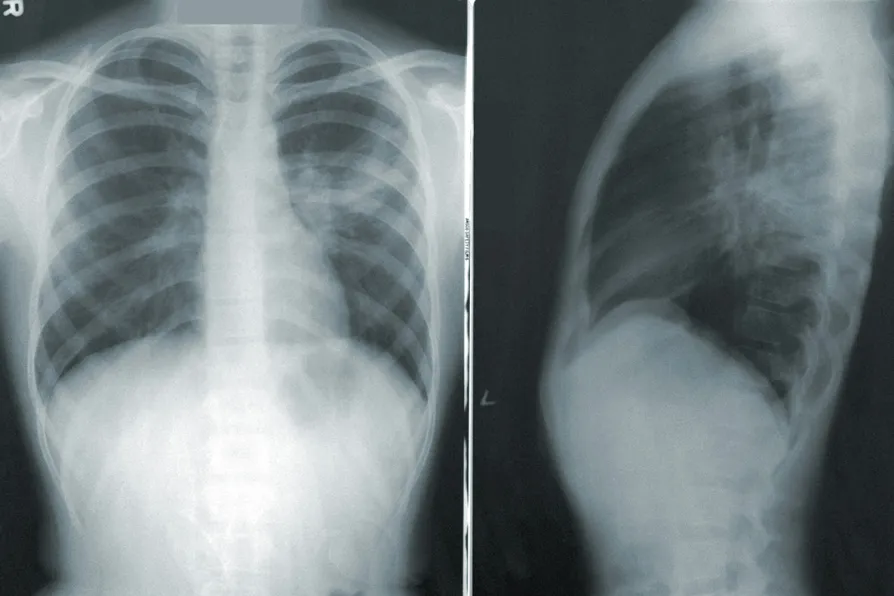
Growing instability in the US economy and financial markets could have serious consequences worldwide because of the central role of the US dollar and financial system, argues MICHAEL BURKE


 Latest editorial

The missing disabled mental health service-users
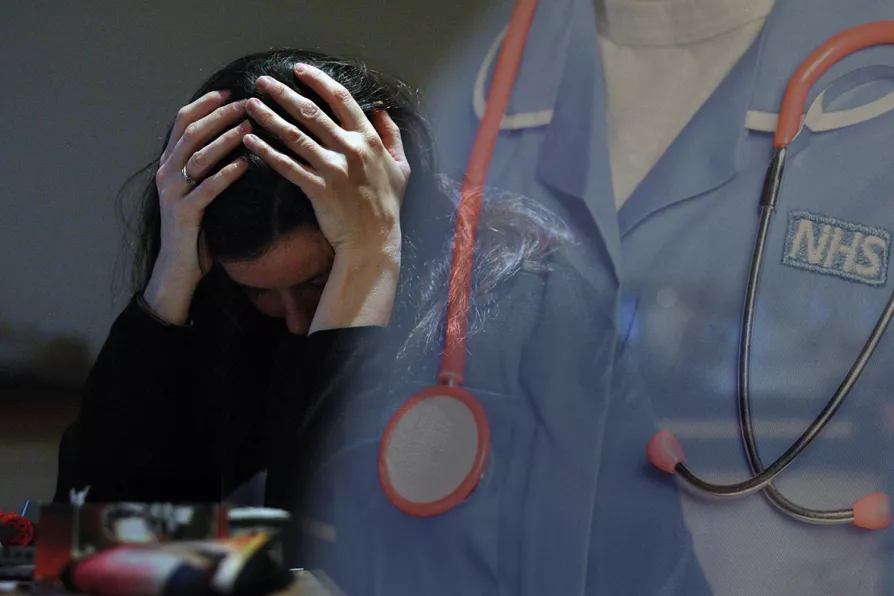
Patients who have both physical and mental health requirements are suffering under the current system — they must be listened to and their input taken on board in the upcoming reforms, writes RUTH HUNT
Despite Andy Burnham’s declaration defending the continued partition of the island, all major international and internal trends are converging to make Irish reunification inevitable
The left needs a bold energy vision – because if it fails to provide one, others will shape the future in their own interests, argues ALAN SIMPSON
From Margate to Deal, mining memories are being kept alive. National co-ordinator for General Strike 100, HENRY FOWLER continued his nationwide tour of partner organisations in the Garden of England
Humans are part of the ‘animal kingdom’ – and of nature in general – but also distinct from it and labour (work) is part of what makes us unique, declared Engels. His insights 150 years ago into how our species came to be and how we differ from the rest of nature, are as important today as they were then, says the MARX MEMORIAL LIBRARY
Boxes of books, family photos and heirlooms, labour movement anniversaries, along with nostalgic memories of glorious childhood days on the Ayrshire coast still leave room for a wistful MATT KERR to hope for a better future





THE long-awaited White Paper reforms to the Mental Health Act (1983) contain some important proposals that begin to address the long-standing issues such as discrimination in who gets sectioned and the role of relatives — but there are still some groups of patients who face particular challenges when sectioned who don’t feature in these measures at all.
One such group are those who have both a mental illness and physical disability or health condition who find themselves sectioned but who face the same problems time and time again. This can have devastating consequences for their health and make service users justifiably nervous when handing over their care needs to psychiatric staff so they can concentrate on getting well.
Of course, there can also be problems for patients on a physical health ward with their mental health needs not being met, but many service users say the main difficulties surface when on the psychiatric side, where they can suffer neglect due to the attitude and ability of staff and inaccessible wards.

Similar stories

Chris Searle speaks to jazz vocalist NORMA WINSTONE
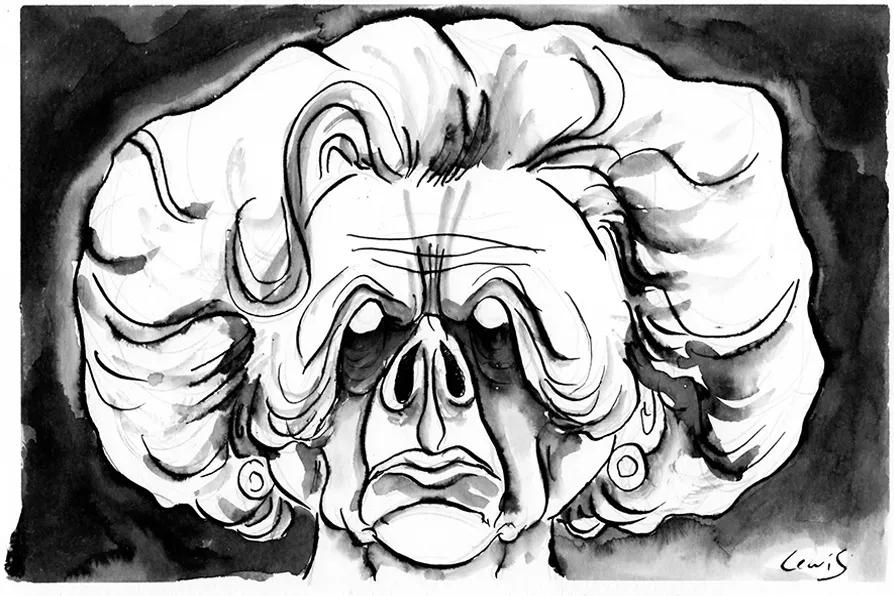
Ron's rages are sincere and — according to his wife — healthily cathartic. But can these splenetic outbursts loosen the grip of capitalism at its most monstrous?

Austerity in a red tie is still austerity, warns RAMONA McCARTNEY of the People’s Assembly – rally with us to demand different choices