ROB WARZYNIAK recalls the emblematic 1906 book, The Jungle, in its analysis of the crisis presently engulfing the US Food and Drug Administration


 Latest editorial

Halting imperialism’s drive to war
JOHN FOSTER discusses the role of communists in responding to the aggressive militarisation initiated by the US in a world that faces an unprecedented period of acute crisis, as he introduces the international resolution for this autumn's Communist Party Congress
 The HMS Queen Elizabeth en route to make trouble in the China seas

Welsh wanderings showcase fiery destruction, alternative water ways and revive memories of a local mining legend, writes MARK SEDDON
As thousands die in the eastern DRC, a global health emergency is being starved of funds, says S KRISHNASWAMY
MAT COWARD explains how in the 17th century a row over whether to kneel at communion became a battle over religion, class and royal power
Renewed illusions in social democratic reformism are sprouting as a result of Andy Burnham’s rhetoric, but material conditions are already intruding into the debate, argues NICK WRIGHT
Andy Burnham could learn a few lessons from a previous Labour government in the pre-privatisation era on how to tackle water shortages, writes KEITH FLETT





LAST year, in celebrating the Communist Party’s 100th anniversary, tribute was paid to past comrades who committed their lives to the struggle against imperialism. In the 1920s and ’30s they included Joan Beauchamp, Rajani Palme Dutt and the Communist MP for Battersea Shapurji Saklatvala.
In the 1950s the Daily Worker journalist Alan Winnington faced treason charges if he returned to Britain after exposing British and American atrocities in Korea. In the 1970s there were the London Recruits who risked their lives in apartheid South Africa.
All saw the fight for peace and socialism as inextricably linked to the fight against imperialism. They understood that capitalism in its monopoly phase is inherently expansionist, that its political and economic survival requires external exploitation.

Similar stories

Internationalism is deeply embedded in socialist theory and practice. Examination illuminates its complexity asserts the Marx Memorial Library and Workers’ School
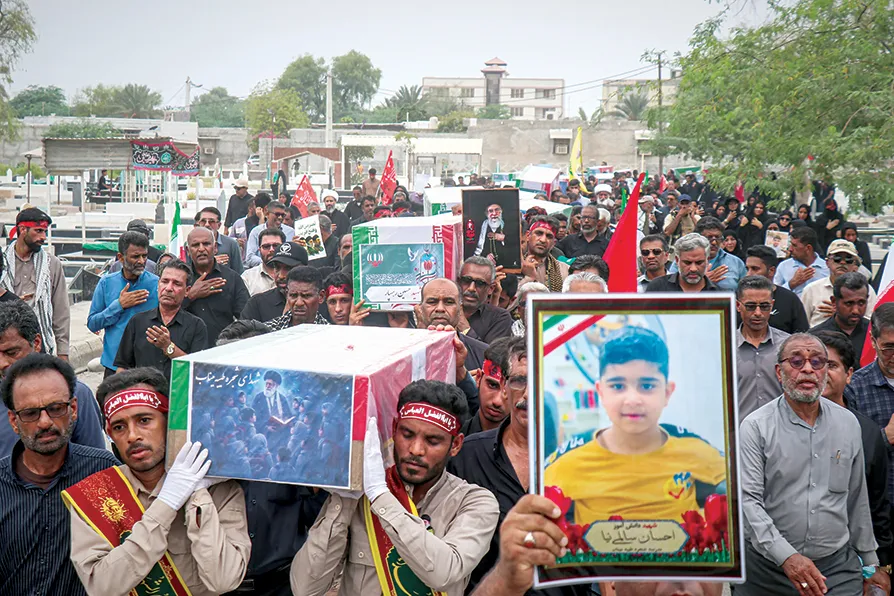
The new Prime Minister must abandon decades of automatic support for US foreign policy, which makes us all less safe, argues DIANE ABBOTT MP
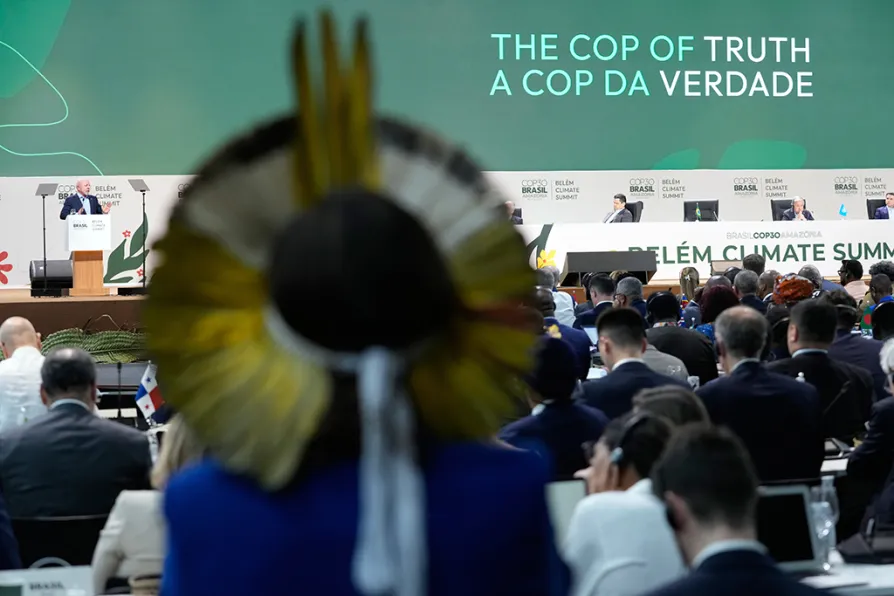
From summit to summit, imperialist companies and governments cut, delay or water down their commitments, warn the Communist Parties of Britain, France, Portugal and Spain and the Workers Party of Belgium in a joint statement on Cop30
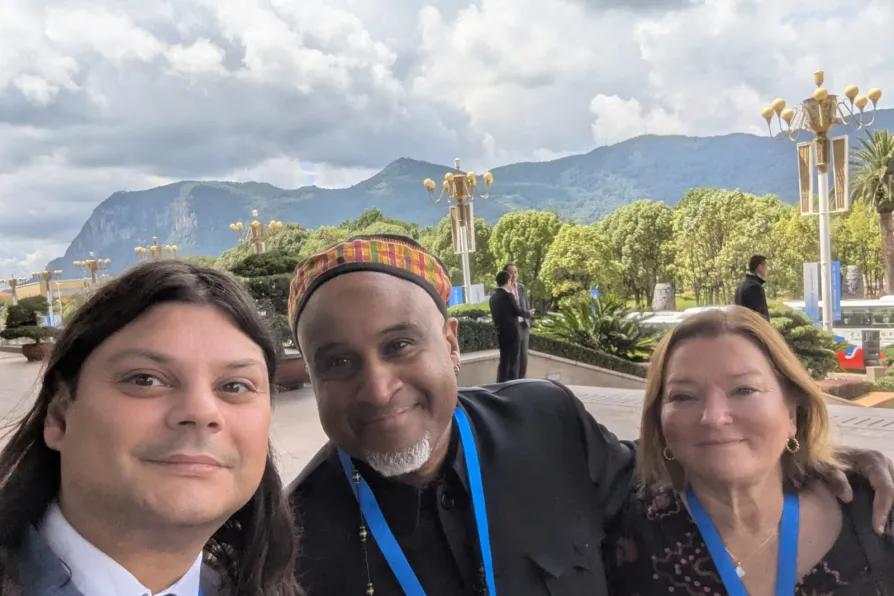
ROGER McKENZIE argues that the BRI represents a choice between treating humans as commodities or as equals — an essential project when, aside from China’s efforts, hundreds of millions worldwide are trapped in poverty