
CLAUDIA WEBBE speaks out against the lethal mechanics of Britain’s culture-war press


How the West ‘sanctions’ China
PRABHAT PATNAIK looks at how China has become a global competitor to be thwarted at all costs
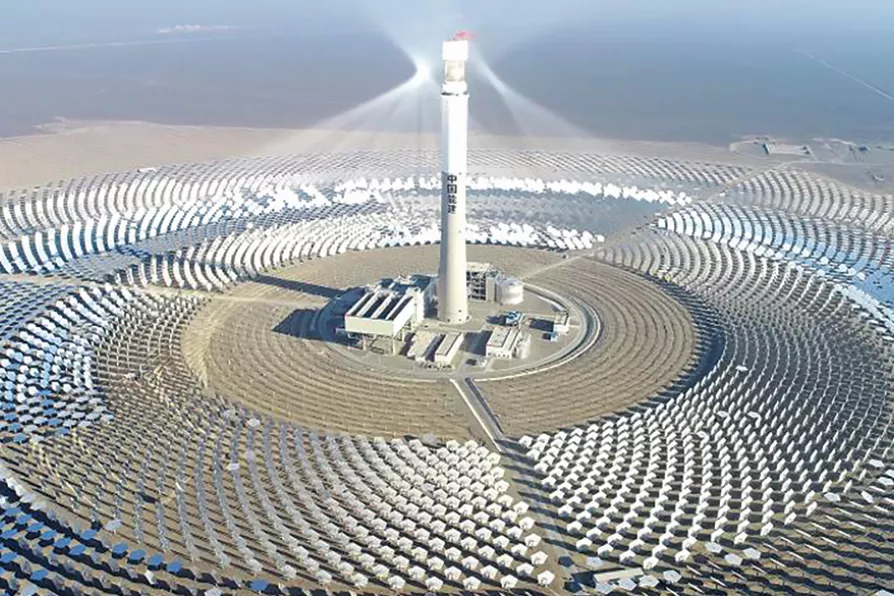
 AHEAD OF THE WEST: China Energy Engineering Corporation project, 2022
[Csp.guru/CC]
AHEAD OF THE WEST: China Energy Engineering Corporation project, 2022
[Csp.guru/CC]

Powerful agribusiness interests are trying to overturn efforts by the Lula government to protect the environment and indigenous peoples of the Amazon region, writes GABRIELA SA PESSOA
Trade unions and community groups are mobilising to push back against Trump’s racist raids after new revelations of spying on legal protesters. MARK GRUENBERG reports from the US state of Minnesota
The best wildfire service may begin with the community, argues KOMAL RAJ ARYAL
The evolution of the Scottish nationalist leadership into cheerleaders for Nato has led the party to betray its pledges on Palestine and social spending, writes COLL McCAIL
While riding the No 3 bus in Glasgow MATT KERR has ample time to dissect the moribund Scottish Labour decline into near oblivion and watch intriguing bus passenger dynamics





MANY economists these days talk of a process of “de-globalisation” taking place; some others talk of the neoliberal regime of yesteryear no longer existing.
Of course, nothing remains the same forever: as the Greek philosopher Heraclitus said, “you cannot step into the same river twice.” Some change in the neoliberal order is inevitable with the passage of time.
But the real point is: has the analytical frame used for understanding the economic reality of the contemporary world, with a view to changing it, become obsolete and hence in need of serious revision?

Similar stories
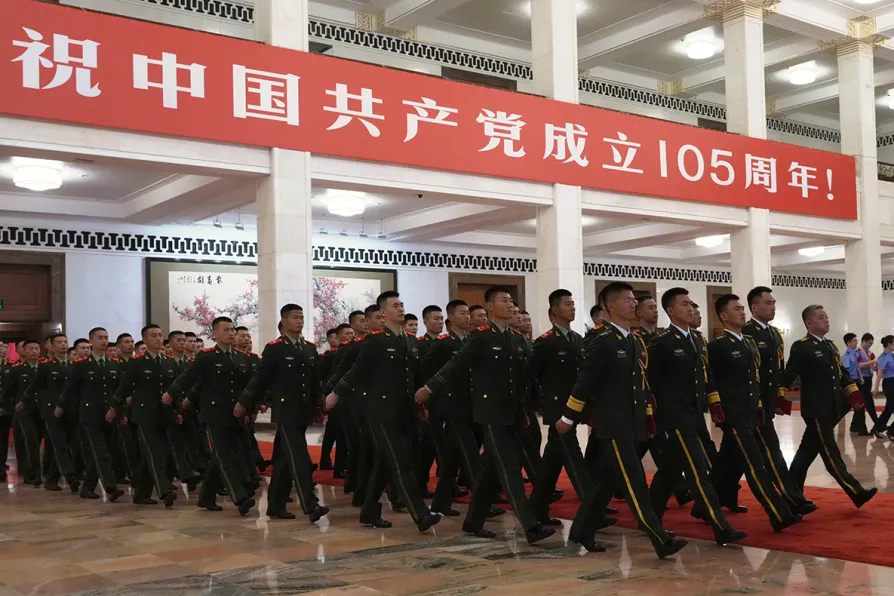
Marking milestones in the histories of China and the United States, this week offers a chance to examine two very different visions of the international order, says CARLOS MARTINEZ

Friedrich Merz’s call for a new Plaza Accord ignores how Washington’s 1985 currency ambush destroyed Japan without fixing US deficits — China, a sovereign socialist state with 1.4 billion consumers, cannot be bullied the same way, writes CARLOS MARTINEZ

Western nations’ increasingly aggressive stance is not prompted by any increase in security threats against these countries — rather, it is caused by a desire to bring about regime changes against governments that pose a threat to the hegemony of imperialism, writes PRABHAT PATNAIK

US tariffs have had Von der Leyen bowing in submission, while comments from the former European Central Bank leader call for more European political integration and less individual state sovereignty. All this adds up to more pain and austerity ahead, argues NICK WRIGHT