Committee for the Defence of the Iranian People’s Rights general secretary GAWAIN LITTLE discusses the impact of the US-Israeli war on the Iranian people and economy


 Latest editorial

Bacteria: hunting microscopic giants
Reports of gigantic proteins in extremely tiny bacteria raise exciting questions, write ROX MIDDLETON, LIAM SHAW and MIRIAM GAUNTLETT
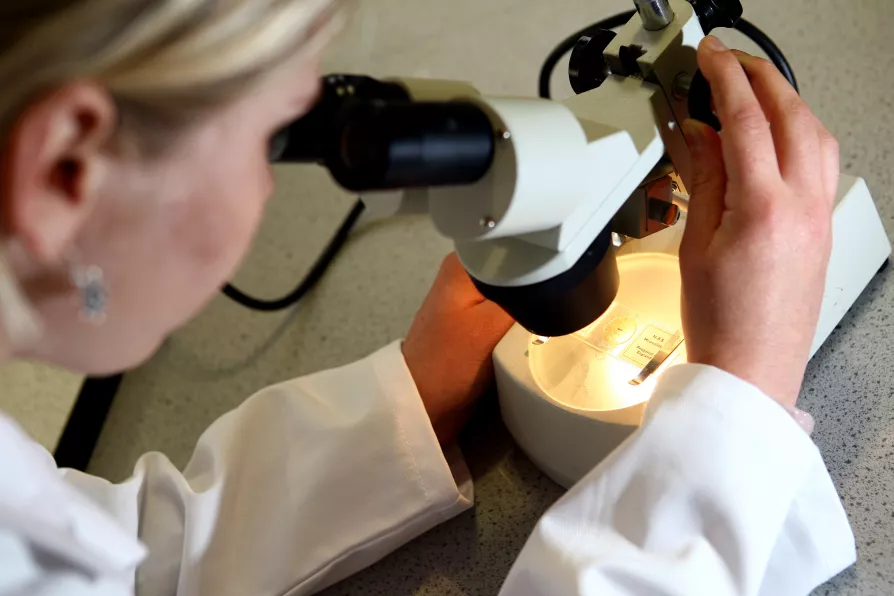 A woman looking at matter under a microscope, as irregular sleep patterns may be linked to harmful bacteria in your gut, new research suggests

Capitalism has extracted itself from crisis before, argues PRABHAT PATNAIK – but through methods no longer available. So it is turning to authoritarianism, militarism and neocolonialism
The five young men killed in the A66 crash were responsible for a devastating tragedy — but the crash should force us to ask difficult questions about wider society, argues RENATA MEDEIROS MIRRA
Britain funds the policing of black culture 16 times better than the culture itself. The Diamond Jubilee is the moment to end that, argues CLAUDIA WEBBE
Despite Andy Burnham’s declaration defending the continued partition of the island, all major international and internal trends are converging to make Irish reunification inevitable
Humans are part of the ‘animal kingdom’ – and of nature in general – but also distinct from it and labour (work) is part of what makes us unique, declared Engels. His insights 150 years ago into how our species came to be and how we differ from the rest of nature, are as important today as they were then, says the MARX MEMORIAL LIBRARY





MOST people will primarily associate protein with its role as a major food group. But at a cellular level, there are millions of possible proteins: they are large, complex molecules that play crucial roles in biochemical processes.
A single protein molecule is made up of amino acids linked together in a long chain. The precise order of these amino acids is specified by the exact sequence of DNA in its corresponding gene.
Although the double helix structure of DNA was known in 1953, it remained a mystery for the rest of the decade how the sequence of a gene contains the “information” needed to transform the four chemicals given the shorthand A, T, C, and G into a protein.

Similar stories
![Meat [Pic: Cindie Hansen / Creative Commons]](https://msd11.gn.apc.org/sites/default/files/styles/desktop/public/2026-07/cindie-hansen-8IQlsHB2OS8-unsplash.jpg.webp?itok=AgeMqKnO)
Innovation in biotechnology is changing how we conceive of meat, say ROX MIDDLETON, LIAM SHAW and MIRIAM GAUNTLETT of SCIENCE AND SOCIETY
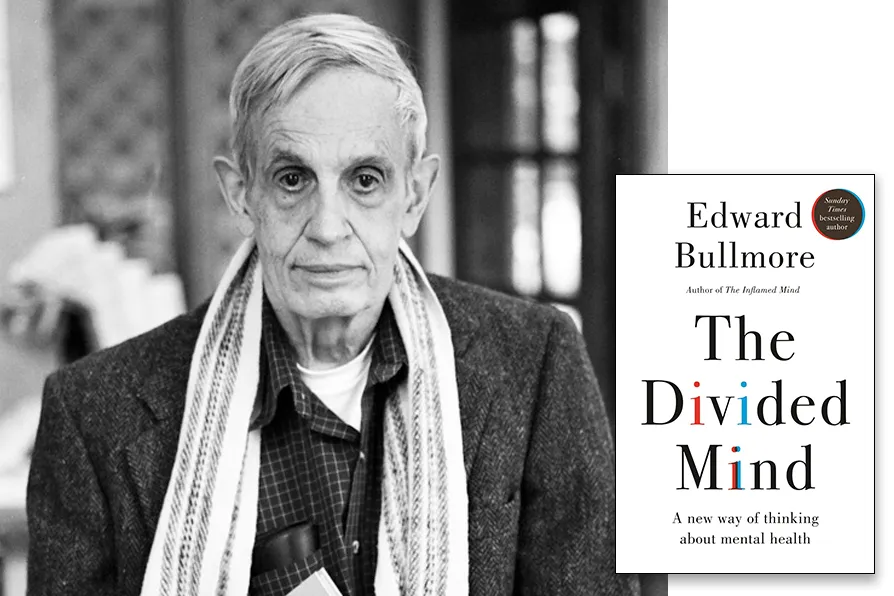
RICHARD SHILLCOCK examines an enjoyable, but philosophically conventional book, and urges Marxists to employ their capacity to embrace the totality in any explanation
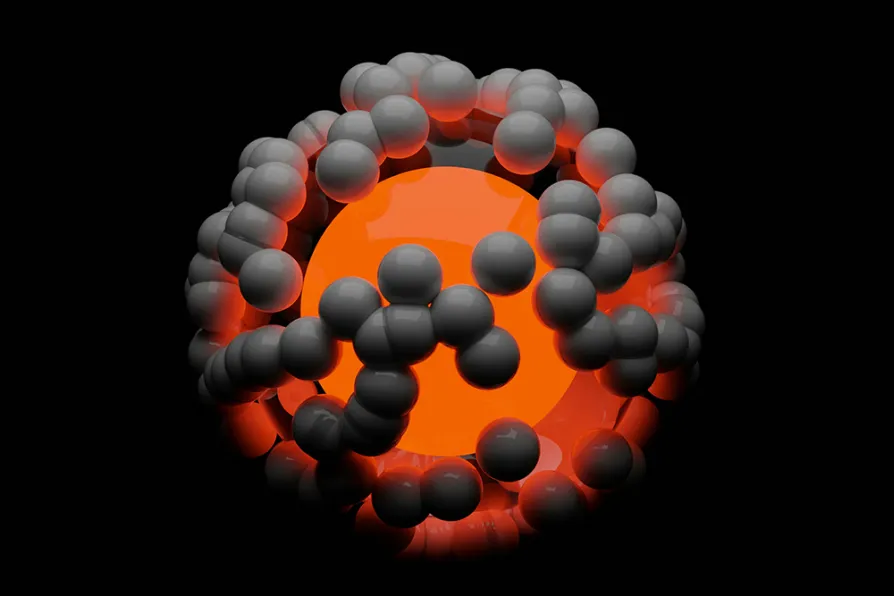
Neutrinos are so abundant that 400 trillion pass through your body every second. ROX MIDDLETON, LIAM SHAW and MIRIAM GAUNTLETT explain how scientists are seeking to know more about them
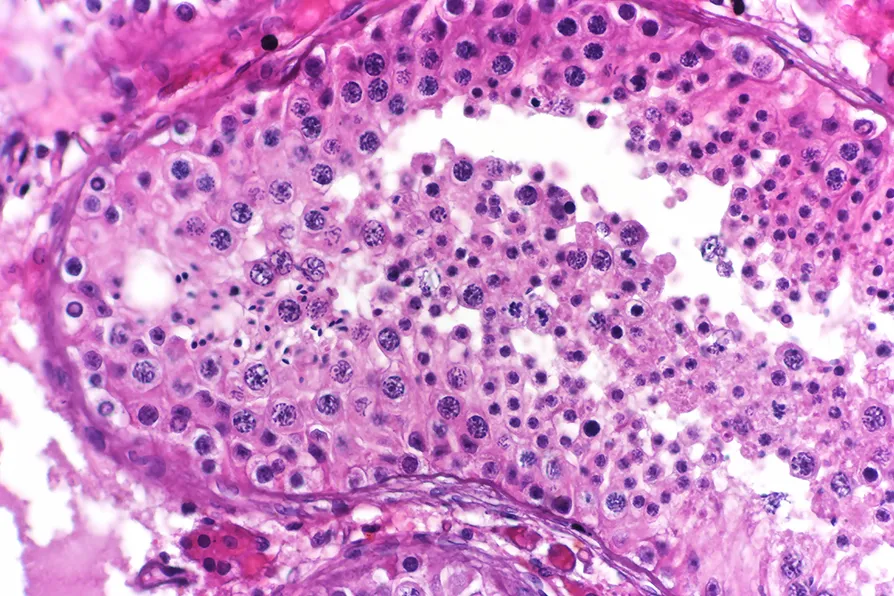
New research into mutations in sperm helps us better understand why they occur, while debunking a few myths in the process, write ROX MIDDLETON, LIAM SHAW and MIRIAM GAUNTLETT