
ROB WARZYNIAK wades knee deep through a pile of ‘dead canaries’ of Trumpist policies which exacerbated the horrors of US capitalism domestically


Oil, natural gas and capitalism
War in Ukraine and the Middle East plays into the hands of the US oil and natural gas imperialists, warns ZOLTAN ZIGEDY
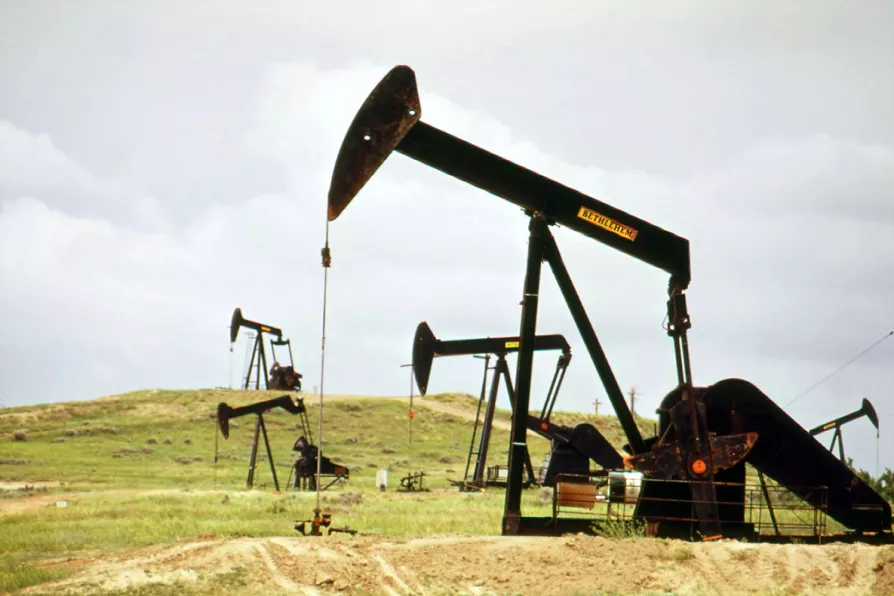
 [Boyd Norton / Documerica / Creative Commons]

Without evidence or Nato consultations Berlin’s answer to the Leipzig incident is a rupture of relations. SEVIM DAGDELEN examines why
FRANCISCO DOMINGUEZ introduces the background to a conference on defending Latin America’s sovereignty
The glacier collapse in Nepal is yet another warning that a warming planet is making Himalayan disasters more frequent and destructive – but the countries facing the greatest risks are often those least responsible, says LI YANG
Nick Blair is set to benefit from a hugely lucrative contract to ‘virtually’ train the British army for its next war. Like father, like son, writes SOLOMON HUGHES
Even when tragedy strikes, Western media cannot resist the opportunity to turn it into a sordid propaganda opportunity, as the Nepal-China border tragedy shows, writes CARLOS MARTINEZ
Trade unions should be at the heart of the anti-racist push for reparations for the historic legacy and continuing impact of slavery, writes ROGER McKENZIE





THE great powers — the leading players in the imperialist system — have always required a source for the energy to drive their economic engines. They needed energy resources to build and empower their military might; they needed energy to grow their national economies and power their vessels of trade and transport. Indeed, their socio-economic systems would have collapsed without ample and available energy sources.
At the dawn of the capitalist industrial era, that source came mainly from coal. Coal powered the machines that grew the productivity of labour to great new heights. It is reasonable to think that only those countries with easy access to coal could then become great capitalist powers.
Beginning at the turn of the last century, oil — an abundant, efficient, and easily stored and transported energy source — became essential for the exercise of economic and military might. As modes of transport became dependent upon petroleum products, an intense rivalry was stoked for access to oil, often found in more remote areas of the world, far removed from the great urban centres of the great capitalist powers.

Similar stories

The US is hell-bent on dismantling the International Criminal Court as part of its assault on global legal systems, but others also have valid reasons to seek its demise. BEN CHACKO provides the analysis

Friedrich Merz’s call for a new Plaza Accord ignores how Washington’s 1985 currency ambush destroyed Japan without fixing US deficits — China, a sovereign socialist state with 1.4 billion consumers, cannot be bullied the same way, writes CARLOS MARTINEZ
Fertiliser chaos triggered by Gulf conflict could send prices soaring and leave millions facing devastating hunger, writes DYLAN MURPHY

Western nations’ increasingly aggressive stance is not prompted by any increase in security threats against these countries — rather, it is caused by a desire to bring about regime changes against governments that pose a threat to the hegemony of imperialism, writes PRABHAT PATNAIK