ROB WARZYNIAK wades knee deep through a pile of ‘dead canaries’ of Trumpist policies which exacerbated the horrors of US capitalism domestically


 Latest editorial

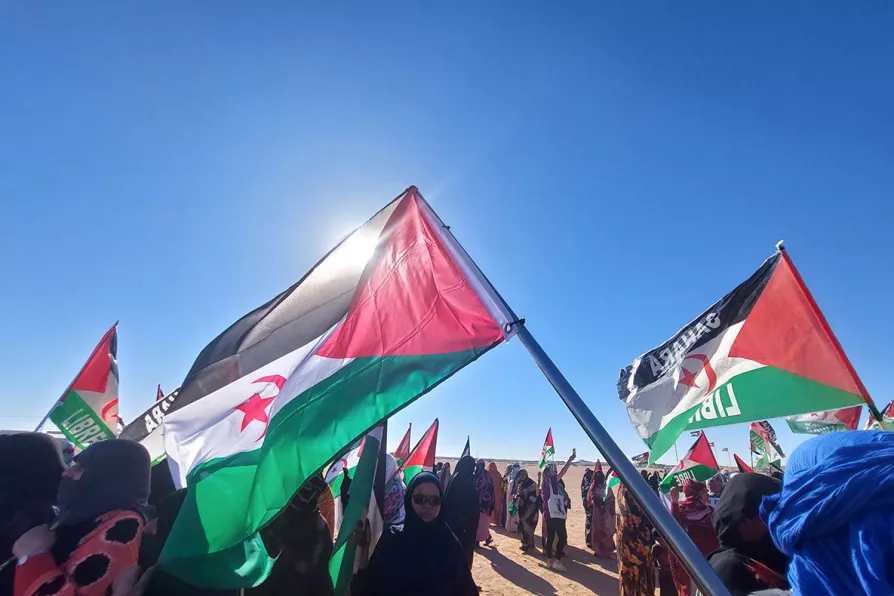
Marking International Women’s Day as refugees
Tens of thousands of exiled Saharawi women live in refugee camps in Algeria – but their hopes of achieving justice, peace and returning to their homeland remain undiminished, writes DANIELLE SMITH
Without evidence or Nato consultations Berlin’s answer to the Leipzig incident is a rupture of relations. SEVIM DAGDELEN examines why
FRANCISCO DOMINGUEZ introduces the background to a conference on defending Latin America’s sovereignty
The glacier collapse in Nepal is yet another warning that a warming planet is making Himalayan disasters more frequent and destructive – but the countries facing the greatest risks are often those least responsible, says LI YANG
Nick Blair is set to benefit from a hugely lucrative contract to ‘virtually’ train the British army for its next war. Like father, like son, writes SOLOMON HUGHES
Even when tragedy strikes, Western media cannot resist the opportunity to turn it into a sordid propaganda opportunity, as the Nepal-China border tragedy shows, writes CARLOS MARTINEZ
Trade unions should be at the heart of the anti-racist push for reparations for the historic legacy and continuing impact of slavery, writes ROGER McKENZIE





“WE ONLY wish to have the right to exist, to decide our future and to return to our country to live freely without fear.”
These words have been ringing in my ears ever since I heard them uttered by Fatimetu Malainin, a Saharawi woman who was born in refugee camps in south-west Algeria where she has grown up. Now 27 years old, she is married with a second child on the way and teaches music to children in an after-school programme in Boujdour camp, where she also lives. The camp is one of five that currently house nearly 200,000 Saharawi refugees.
This year, along with tens of thousands of other Saharawi women, Fatimetu will once again be celebrating International Women’s Day on March 8 in the harsh desert camps of her exile. For some of the women, it will be their 49th year. Despite all the time that has passed, they still hold on to the hope of achieving justice and peace and returning to their homeland.

Similar stories
CARLOS MARTINEZ shows how EU, Israel and US shenanigans were used in an attempt to destabilise Spain’s mildly socialist government
The border spat is a useful turning of the screw against Spain for US interests, says ROGER McKENZIE

Claiming to ease a fertiliser shortage, the Trump administration has suspended tariffs on Moroccan phosphate imports – deepening US support for the Morocco’s control over Sahrawi territory, writes LUKE ROTELLO
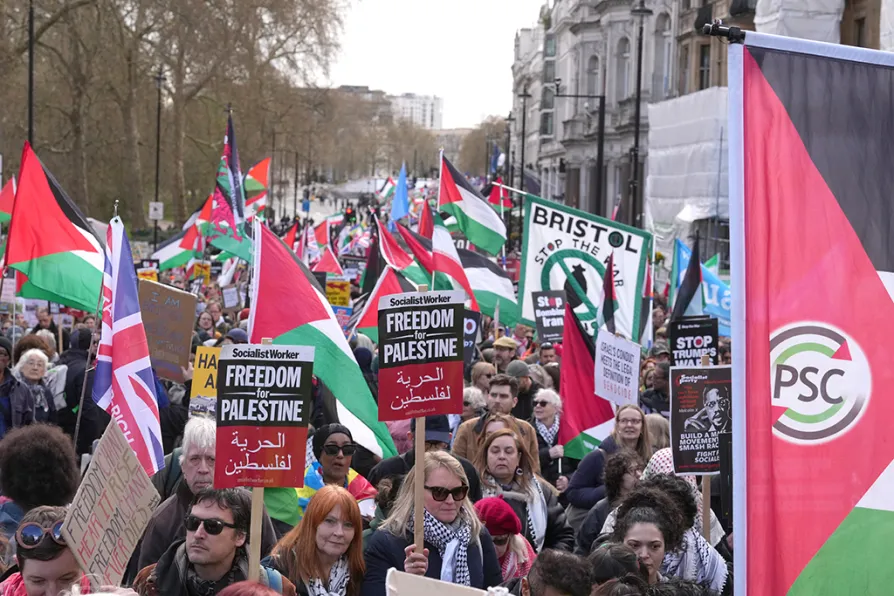
The struggle for Palestinian freedom has become a defining issue for everyone committed to justice, democracy and peace, says PETER LEARY ahead of the Stop the War International Conference on Saturday