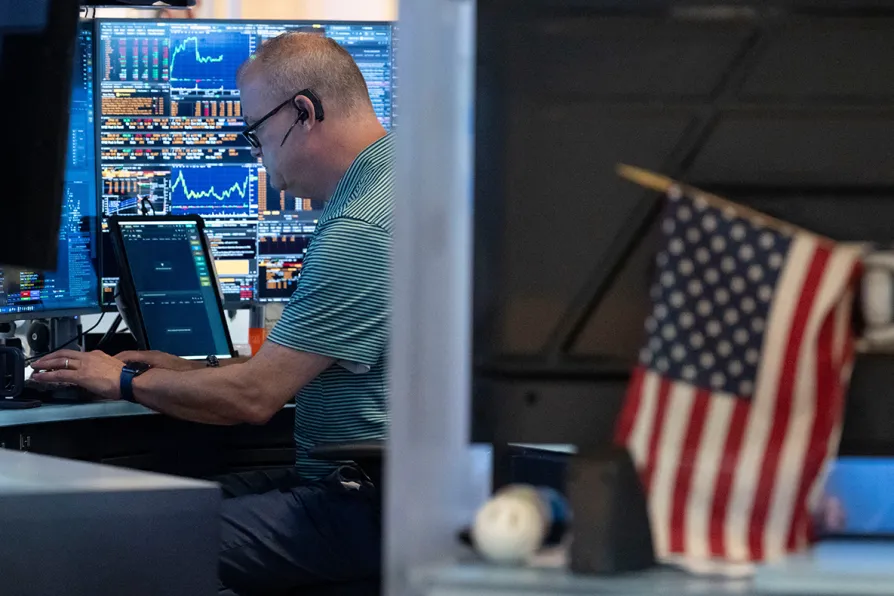
Growing instability in the US economy and financial markets could have serious consequences worldwide because of the central role of the US dollar and financial system, argues MICHAEL BURKE


 Latest editorial

Something is moving in Manchester — Labour can offer hope again
Councillor SAM WHEELER says there’s a tangible shift in mood on the left in the city whose mayor has recently become PM — but there’s no room for complacency
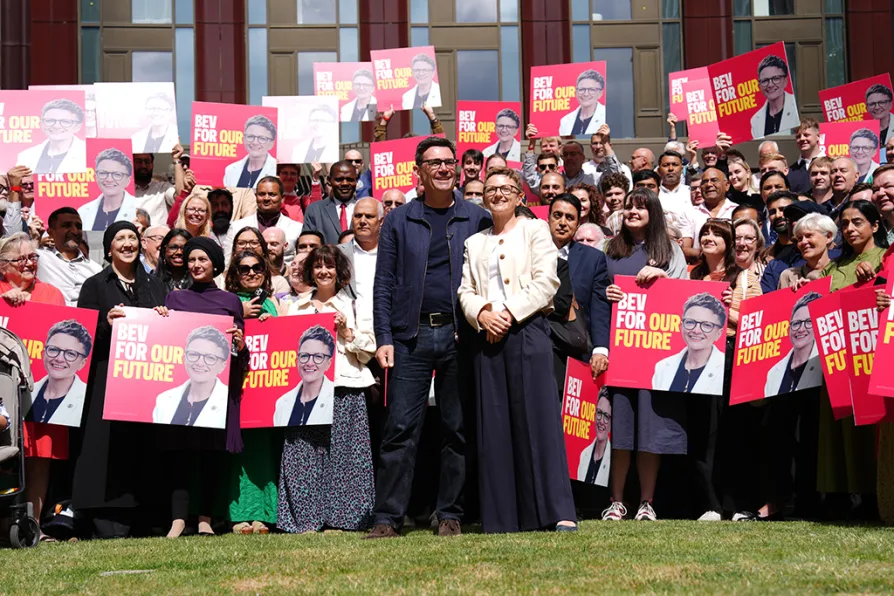 Raising hopes: Andy Burnham’s entry to No 10 was followed by Labour’s Bev Craig sweeping the board in Manchester
Despite Andy Burnham’s declaration defending the continued partition of the island, all major international and internal trends are converging to make Irish reunification inevitable
The left needs a bold energy vision – because if it fails to provide one, others will shape the future in their own interests, argues ALAN SIMPSON
From Margate to Deal, mining memories are being kept alive. National co-ordinator for General Strike 100, HENRY FOWLER continued his nationwide tour of partner organisations in the Garden of England
Humans are part of the ‘animal kingdom’ – and of nature in general – but also distinct from it and labour (work) is part of what makes us unique, declared Engels. His insights 150 years ago into how our species came to be and how we differ from the rest of nature, are as important today as they were then, says the MARX MEMORIAL LIBRARY
Boxes of books, family photos and heirlooms, labour movement anniversaries, along with nostalgic memories of glorious childhood days on the Ayrshire coast still leave room for a wistful MATT KERR to hope for a better future





SITTING in Moston on a summer evening, on the very northern edge of Manchester, staring at my party data, I saw something I hadn’t seen in a very long time. The number turned green.
Drafting the membership figures every month, writing to those who have formally resigned or simply, like most, cancelled their direct debit, asking or urging them to reconsider has been a thankless task, as hundreds of Labour Party volunteers across the country would attest. Occasionally people tell you all the reasons and you find yourself unable to really argue. Mostly you just get silence.
But a few weeks ago, in the wake of apocalyptic local election results, something shifted. The membership number had ticked up. And over the next few weeks, it kept ticking.
Now this was not and is not the tidal wave of 2015. And the exact mechanics of the party membership structure means everything works on a time-lag. But it’s now clear, at least in my little northern fastness, that it’s real. A rough 50:50 split between new members and those coming back to the party.
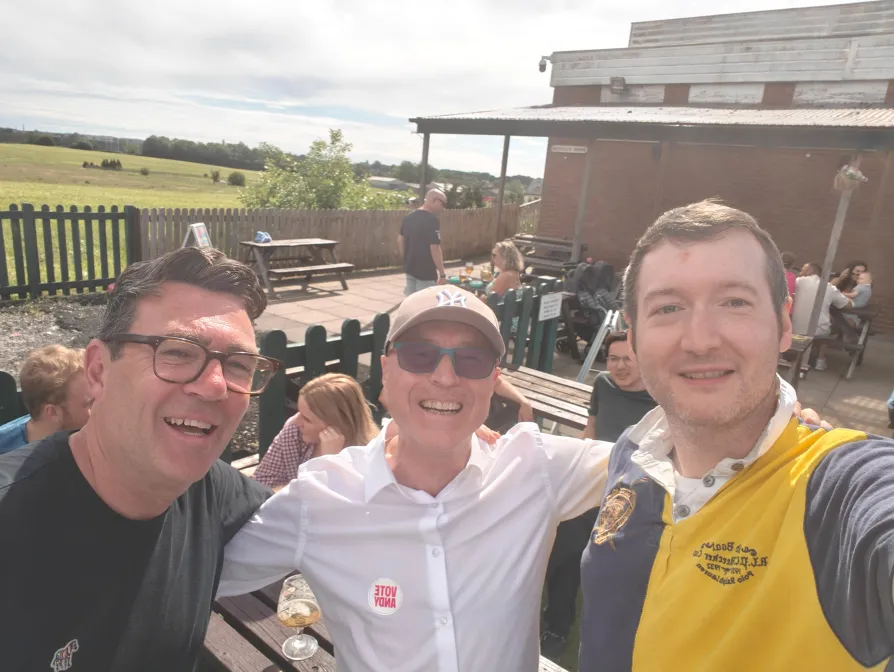
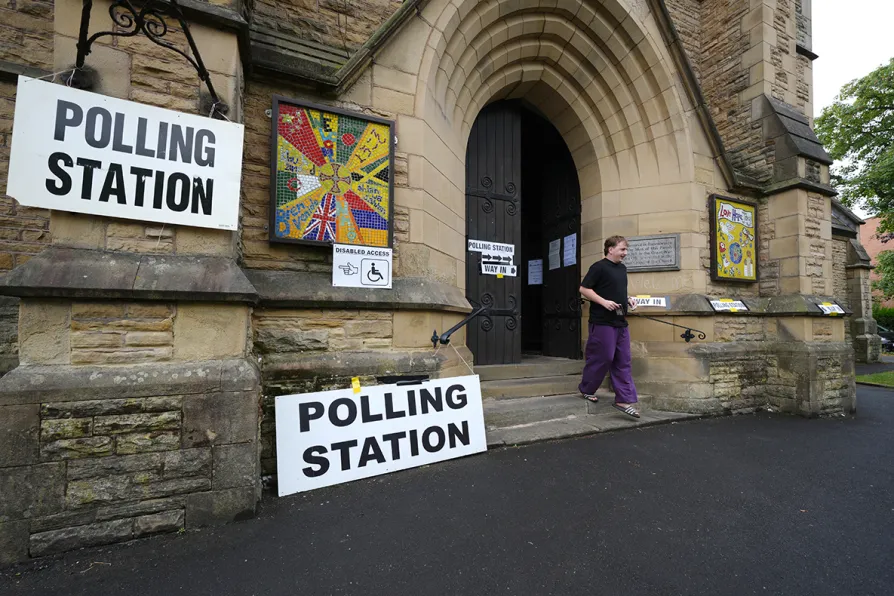
This has both sustained and fed into Labour’s results. In the Makerfield by-election, I saw comrades out campaigning I hadn’t seen since that bleak mid-winter of 2019. Last week, in the Greater Manchester mayoralty, Labour swept the conurbation after a campaign that seemed genuinely joyful. Every ward in the two cities of Manchester and Salford and, when everything is tabulated it seems, all but a handful in the outer boroughs.
Some will claim that these are incredibly normal results. Are we really celebrating because Labour wins in Greater Manchester?
And yet, a normal election in deeply abnormal times raises a question of what changed. Yes Labour put on some votes, but the deeper point is why did the majority of the vote of the Reform, Green, Conservative and Liberal Democrat Parties in the conurbation evaporate in less than a hundred days?
The short answer, of course, is Burnham, and one can get as romantic as one likes there. I’m sure our Cambridge English graduate PM would immediately reckon the themes. Our hero, this Askeladden-in-Makerfield, takes the thrice-demanded crown from the hated southern king, flanked by wronged-Valkyries, and crushes the forces of darkness beneath his golden (or at least Bee Network yellow) chariots. It’s all a bit Beowulf.
Image
But it is of course materially deeper than that. Labour Party members need to believe they are good people. Labour Party voters want to believe they are good people. And on a wider social basis, the political economy of Britain requires a party that states a better world is possible, even, and perhaps especially, for people who will not vote for it.
We have now tested to destruction the idea that Labour can act as if compassion was unnecessary, whether at home or abroad. Tories can get away with it, the Labour Party cannot.
No-one votes Labour to kick disabled people or bomb the global South. And if the party does those things it is expected to be upset about it. A Labour Party without compassion, or at least guilt, is not required. Thankfully Burnham has the skill to do both.
It would be a terrible mistake for Labour to decide everything was now sorted, that the Greens and Reform will dissolve and two-party politics plus a few Liberals and Nationalists will reassert itself like this is 1955.
We have shifted from a point where the continued existence of the party was in question, but it can certainly still lose at the next general election. After all, most Labour governments do.
It is vital that the democratic muscle of the party that had atrophied over the last six years is strengthened, that those new and returning members are embraced, and that the full breadth of the party and its connections to the people of Britain is used if victory is to be won. Devolution of power is a lesson the party could apply to itself as much as anywhere else.
But Labour was staring into an endless, starless night. And now, if dawn hasn’t quite yet broken, the sky is getting lighter. And if Andy has made anything clear in his first few weeks, it’s that there is a world of difference between black and dark blue.
Sam Wheeler is a Labour councillor for the Piccadilly ward on Manchester City Council.

Similar stories
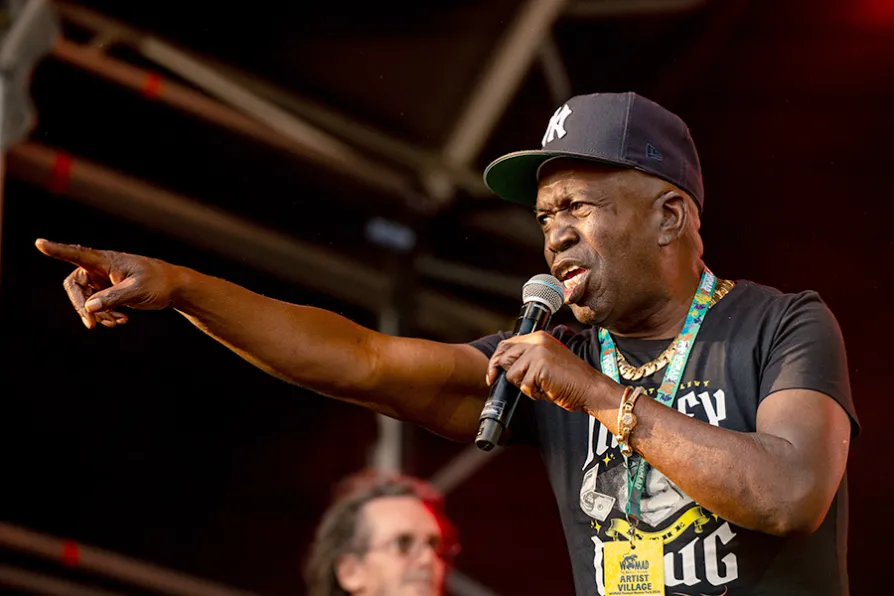
GEORGE FOGARTY reflects on the politics expressed at this year’s festival where contradictions abound, but the music kept it real
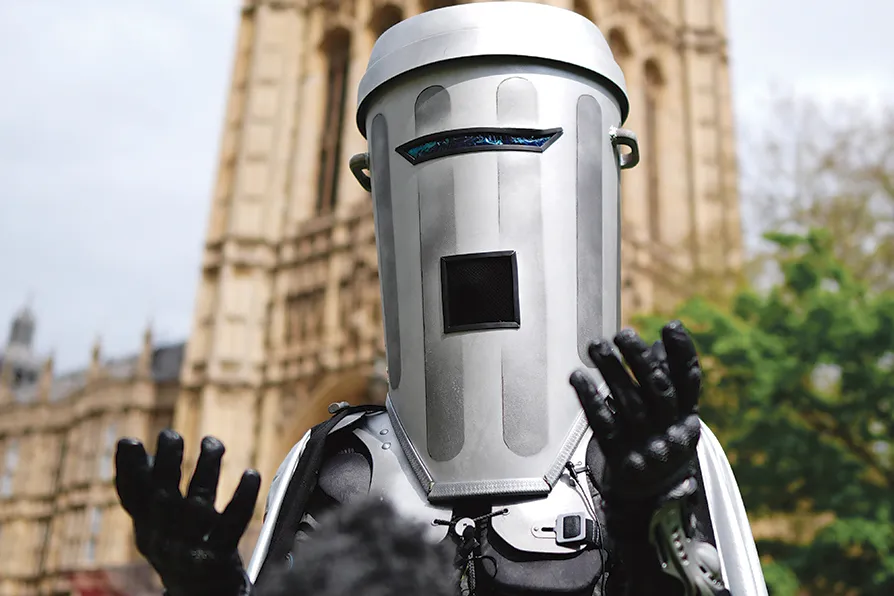
CHARLEY ALLAN reports from Clacton on Farage’s fears his by-election stunt has backfired
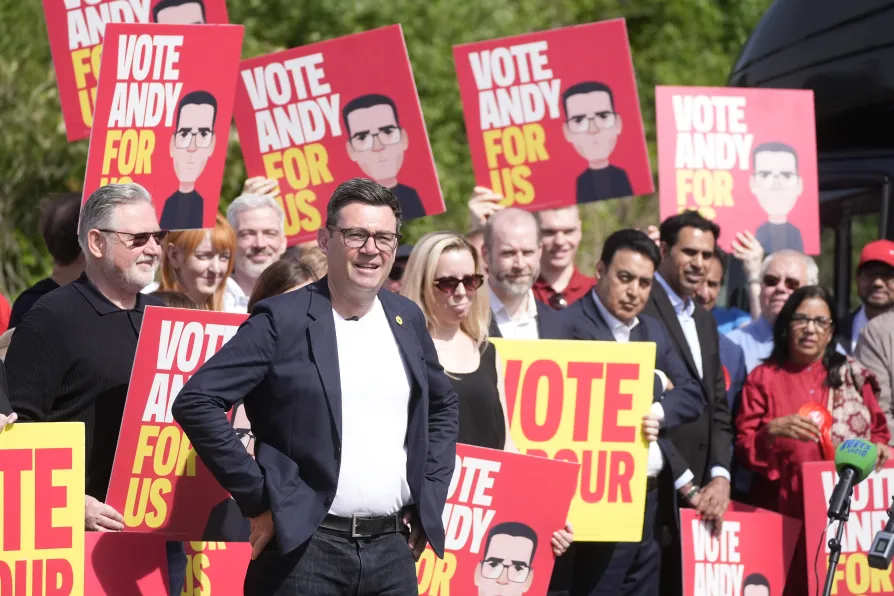
Burnham launches his campaign to return to Westminster