Labour must deliver its manifesto promises in full and begin the bigger task of restoring workers’ collective power, says MATT WRACK


 Latest editorial
Protecting the heart of the art we create
Trade unions need to protect creative rights as well as jobs against the negative impacts of AI, argues ZITA HOLBOURNE
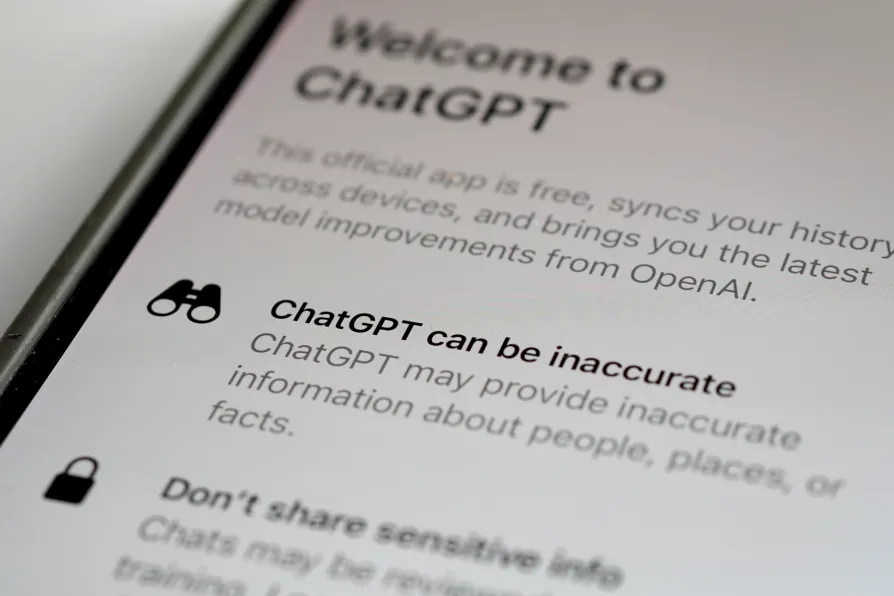 SKEWED VIEWS: AI tools are not giving a fair hearing to major news outlets in the results they give about important stories, new analysis suggests. Picture: Gareth Fuller/PA Archive/PA Images. Friday January 30, 2026.
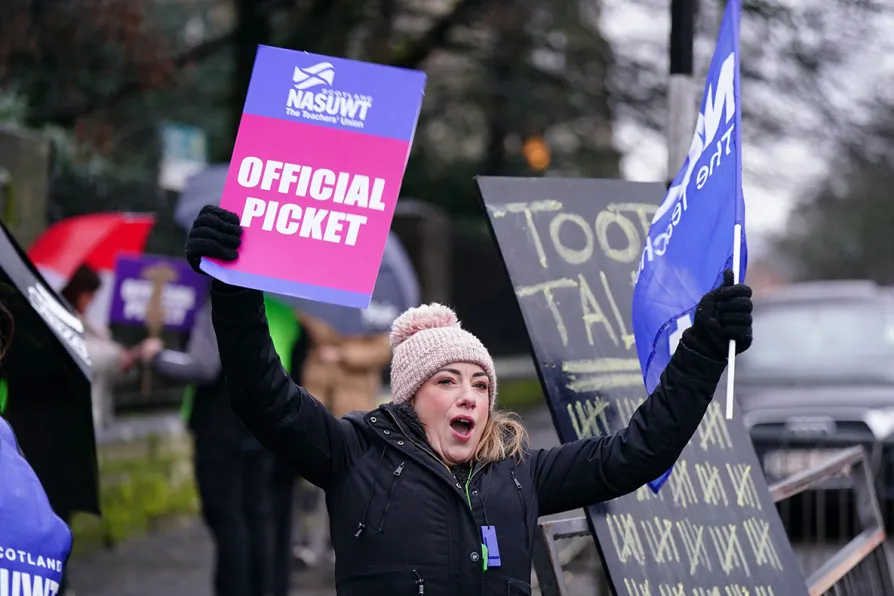
This summer’s fire outbreaks highlighted once again the deadly cost of job, equipment and funding cuts to the fire service. Ten years after the Grenfell tragedy, serious lessons still need to be learned, says STEVE WRIGHT
Live music and musical education are both under attack and threaten to impoverish our culture. The Musicians’ Union seeks allies in the fightback, writes NAOMI POHL
The TUC fell for the illusion of a ‘Social Europe’ in 1988 and backed single-market membership. DOUG NICHOLLS argues that dramatic changes in the EU prove the need for an independent economic policy
As Cuba faces an unprecedented US energy siege and growing threats of military intervention, TUC Congress must stand unequivocally with Cuban workers and their right to determine their own future, writes STEVE GILLAN, POA general secretary and TUC president
By organising for boycotts, divestment and sanctions, trade unionists can turn solidarity into action, writes JESS BARNARD





ONE of our two Artists’ Union England (AUE) motions to TUC Congress this month is on AI and our concerns about the impact of artificial intelligence (AI) on visual artists and wider society.
AI is having a detrimental impact on the lives, livelihoods and ability to work for artists. Disregarding copyright and using work without consent has a knock-on impact on job security as well as devaluing human creativity in producing original artwork.
The move toward opting for AI-generated images instead of hiring artists, illustrators and designers, is reducing job opportunities in a market which is already highly exploitative and low paid.
Members of AUE already work precariously and live in poverty, with most having to do other types of work in addition to their creative practices to survive. The over-reliance on AI-generated art also has an impact on future generations of artists and discourages the pursuance of creative careers and ambitions, meaning talent is stunted and that wider society misses out.
AI-generated art cannot reproduce the journeys, emotions, learnings, lived experience, passion, pain and love that might go into art we create as humans. As a socially engaged artist, I am regularly commissioned to create art that speaks to the struggles of those who have been oppressed, human rights breaches, discrimination and struggles for equality and rights, for example.
Living through those struggles ourselves or researching the stories and lives of communities and movements the art is about means that what we create is deeply personal and meaningful. The opposite of AI-generated art.
Successful campaigning by creative-sector unions led to the government doing a U-turn on its attempt to allow companies to use the work of creatives to train their models without the consent of the creators. We are, however, concerned about the long delay in the government introducing a Bill which would regulate AI.
Allowing AI to be used and manipulated does not just affect the livelihoods of artists but allows power to be abused, manipulation of the media, control of information, discrimination in employment and service provision and gross breaches of human rights, which can destroy lives too.
Here are just some examples of how AI is being used to cause bias, detriment and discrimination.
Facial recognition in policing is full of errors with bias against people with darker skin, leading to a growing number of wrongful identifications with a further disproportionate impact on black women and adding to the harm and trauma already experienced by black and brown people at the hands of the police and judicial system.
I gave comment about this in a previous article “Tests reveals racial bias in police facial recognition technology” (M Star, December 5 2005).
AI tools used in recruitment are also being used to sift out older women and black job candidates.
AI has been used deliberately to create harmful, misleading and false narratives and content online and to spread hate, creating divisions between communities and inciting abuse and violence.
There is a further impact on the environment due to the high use of energy and water to operate AI data centres, which has an impact on and undermines British commitments and targets on climate change and we call on the TUC to campaign to restrict the creation of AI data centres.
Our motion calls on the TUC to ensure that the rights of all workers including artists are protected and that AI companies are prevented from stealing our creative work, to ensure that there is transparency and to campaign for copyright protection of creative work.
We call on the government to be accountable and responsible by assessing the equality impacts of AI including loss of work due to the introduction and use of AI in the public and private sectors and for self-employed workers.
We are concerned that Britain has not signed up to several existing international agreements regulating AI development, which include the Paris AI Summit Declaration, signed by around 60 countries and the EU AI Act.
The British government must do better, ensure that protections are in place and that people are put before profit.
We believe it is essential that British unions work with the trade union movement around the world to campaign for transparency and safety when developing AI because the threats we face because of AI are global and their impact on our human rights as a whole.
It is so important that we as a trade union movement practice what we preach. We should not resort to AI for the materials we produce in our communications and campaigns but instead value and employ/engage real creative workers.
At the heart the art we create as human beings are stories, interactions and engagements combined with genuine emotions that can never be recreated by AI.
Zita Holbourne is the co-chair of AUE, an equality and human rights campaigner and a multidisciplinary artist, creating as a visual artist, poet, author, writer, curator, vocalist and educator.

Similar stories
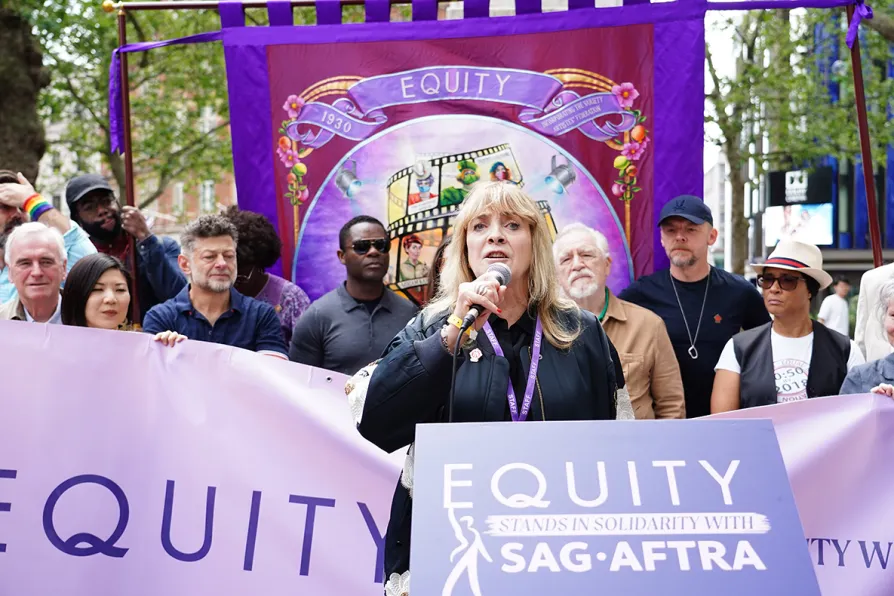
Challenges from the unscrupulous misuse of AI to steal actors’ voice and physical likenesses is being met with a firm union response, writes LYNDA ROOKE
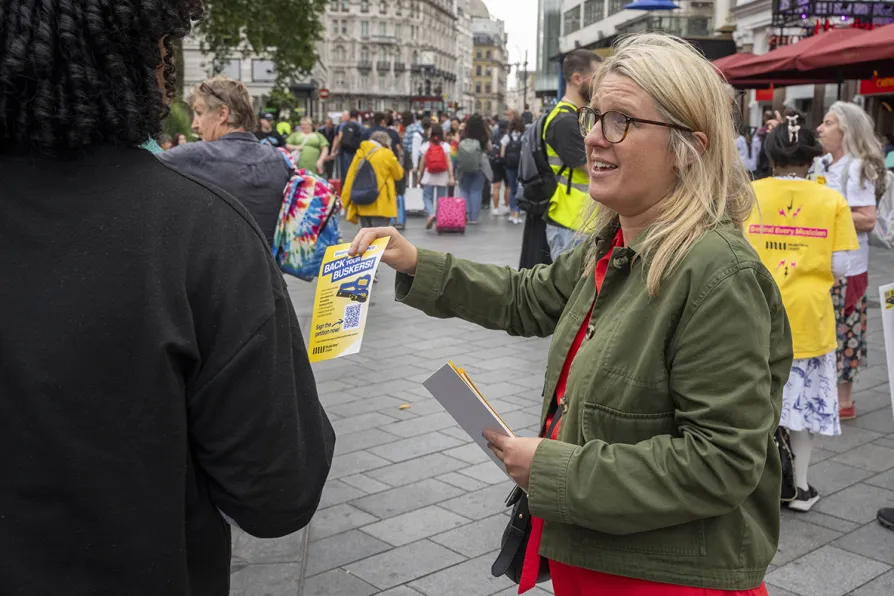
Live music and musical education are both under attack and threaten to impoverish our culture. The Musicians’ Union seeks allies in the fightback, writes NAOMI POHL
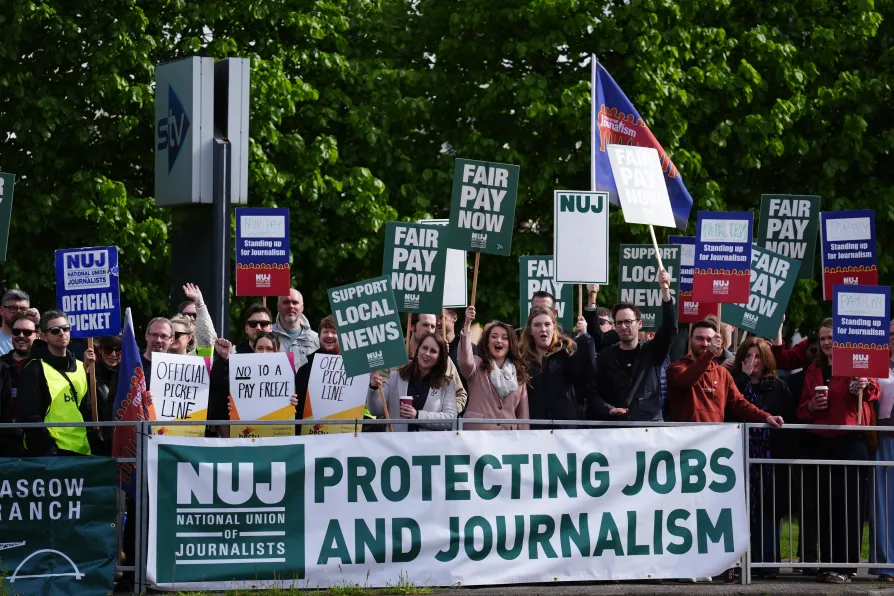
The NUJ is calling on the trade union movement to challenge the power of tech giants and resist cuts to public service broadcasting, with the future of quality, accessible journalism at stake, says LAURA DAVISON
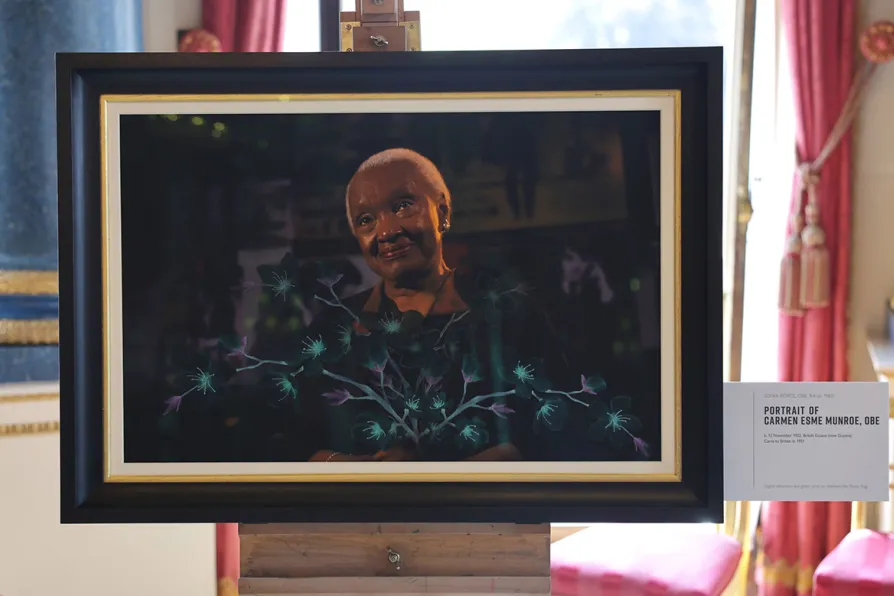
For generations black women have shaped Britain’s activism, arts and public life despite exclusion and discrimination. ZITA HOLBOURNE pays tribute to these political trailblazers and cultural icons, whose courage continues to inspire