Labour must deliver its manifesto promises in full and begin the bigger task of restoring workers’ collective power, says MATT WRACK


 Latest editorial
It’s time to step up the trade union campaign for Palestine
By organising for boycotts, divestment and sanctions, trade unionists can turn solidarity into action, writes JESS BARNARD
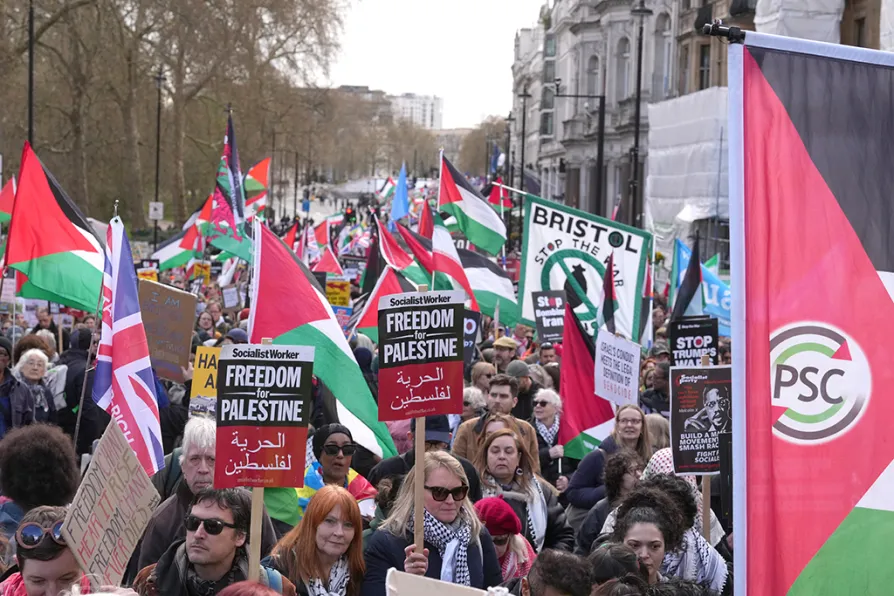
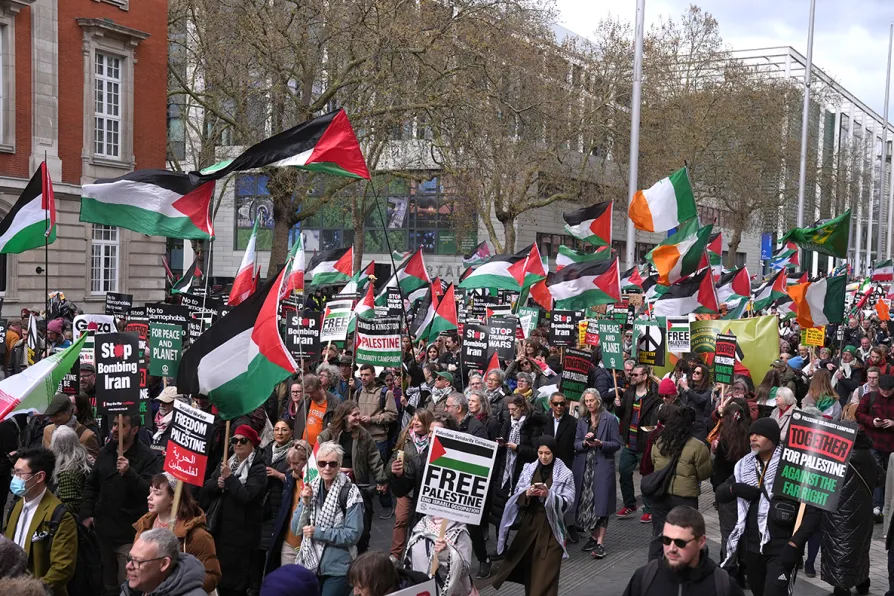 A Palestine solidarity protest in London, 2026
This summer’s fire outbreaks highlighted once again the deadly cost of job, equipment and funding cuts to the fire service. Ten years after the Grenfell tragedy, serious lessons still need to be learned, says STEVE WRIGHT
Live music and musical education are both under attack and threaten to impoverish our culture. The Musicians’ Union seeks allies in the fightback, writes NAOMI POHL
The TUC fell for the illusion of a ‘Social Europe’ in 1988 and backed single-market membership. DOUG NICHOLLS argues that dramatic changes in the EU prove the need for an independent economic policy
As Cuba faces an unprecedented US energy siege and growing threats of military intervention, TUC Congress must stand unequivocally with Cuban workers and their right to determine their own future, writes STEVE GILLAN, POA general secretary and TUC president





IN 1984, Mary Manning, a brave shopworker at Dunnes in Dublin, answered the call from her trade union and refused to handle grapefruit which had been imported from apartheid South Africa.
Despite pressure from her employer, she and her local shop steward continued to refuse to handle the produce. The employer placed them under indefinite suspension for the refusal, which triggered one of the greatest demonstrations of union and member-led international solidarity.
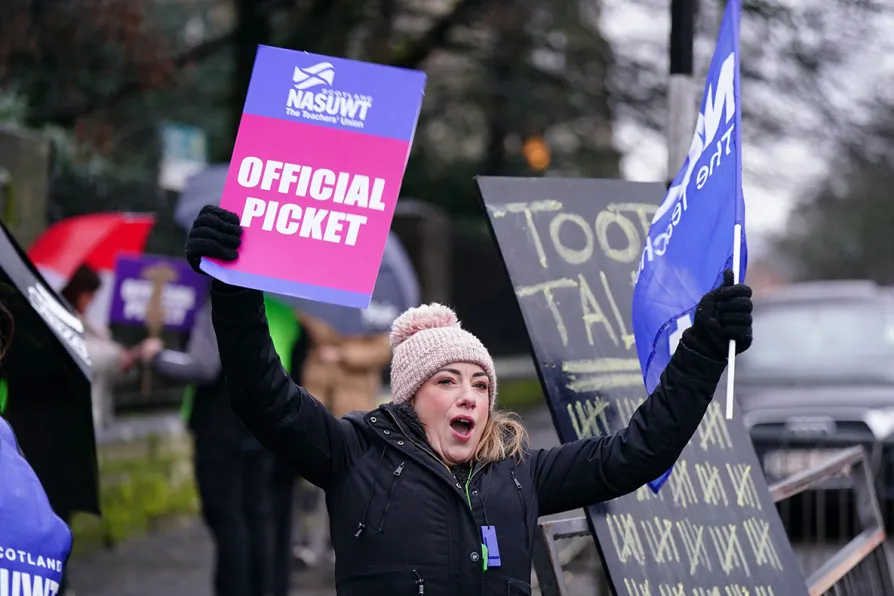
The union organised an official picket outside Dunnes and 10 workers from neighbouring stores joined the strike, which continued for an incredible three years.
With growing public and trade union pressure, the Irish government finally announced a ban on imports from apartheid South Africa and the workers’ action served as a catalyst for similar incidents across Ireland and Britain in the following months, including the Ford workers’ action of 1984.
Inspired by these acts of international solidarity and reflecting on the importance of the role of trade unionists in bringing about an end to apartheid South Africa, in 2005 over 170 Palestinian unions, refugee networks and civil society bodies issued a call to the international community for boycotts, divestments and sanctions in solidarity with the Palestinian people against Israel’s crime of occupation and apartheid.
More than 20 years since the founding of the Palestinian-led movement for BDS, the Palestinian people are now facing down a catastrophe of unbearable proportions, a full-fledged genocide which continues today.
Violent settlement expansion in the West Bank has accelerated, Palestinians still live under a system of apartheid and the vast majority live as refugees outside of their homeland.
Despite the so-called ceasefire of 2025, and the minimal response from our own government, Israel acts with impunity, continuing to carry out attacks in Gaza killing men, women and children, while withholding adequate shelter, food, water and medical aid from two million Palestinians.
Despite the growing urgency it is clear that in Britain, despite growing public pressure and efforts by many in the movement, we have not done enough to secure an end to our government’s complicity with these crimes.
The Palestinian BDS movement recognises the historic and current role that workers play in solidarity with their struggle, and has issued an urgent call to the organised workforce, particularly across the US and British trade union movement, to use their industrial strength and renew their efforts to meet these demands.
Over the past years, workers across Britain have proudly stood strong with the Palestinian people.
But now, as the British government contemplates new measures to hold Israel to account for its ever-increasing war crimes, there is a new urgency to this work.
Across our movement, workers can organise in their own industries and sectors. Local authority and university workers can organise for divestment of pensions from complicit companies. Workers involved in arms manufacturing, logistics and transport can stop the movement of weapons and military components to Israel.
Retail and hospitality workers must raise the demand to boycott Israeli produce and brands like Coca-Cola. Cultural workers continue to challenge attempts to erase Palestinian voices or use arts and culture to whitewash the crimes of Israel.
As a movement representing more than six million workers in Britain, we have the opportunity to make a material difference. The complicity of our employers, businesses, universities, local authorities, tech companies and governments, mean that British workers are directly connected to Israel’s system of oppression, but we are well placed to organise against it.
As Nelson Mandela said of the Dunnes strikers, “What struck us most was the fact that members of the labour movement so many thousands of miles away from us felt this sense of commitment to the struggle against racial oppression in South Africa.”
That is what trade union internationalism means: recognising that the conditions imposed upon workers and oppressed people, whether it be South Africa or Palestine, are connected to the struggles of workers here. It is the job of all of us to ensure that no money, no weapons and no labour are used in ways which harm the Palestinian people and enable Israel to continue to commit crimes against them.
But we also need the strength and solidarity of our institutions and trade union leaders to answer the call and support the movement for BDS. Individual workers should never be left isolated and to secure victories across an increasingly hostile work environment alone.
We need strong workplace organisation and political education, but also legal and industrial support for those who take action, alongside collective union pressure from our representative federations to force change at scale — whether that be from corporations or the policy of the British government.
Apartheid was confronted by generations of South Africans struggling for their own liberation but there is no doubt that the international movement made political, cultural and economic support for the apartheid state impossible to sustain or defend.
Trade unions were an essential part of that movement and it’s time once again we step up our efforts to deliver boycotts, divestments and sanctions in solidarity with the Palestinian people.
Jess Barnard is Palestine Solidarity Campaign trade union organiser.
Palestine Fringe at TUC Congress 2026 – “Freedom for Palestine - Time for Boycott, Divestment and Sanctions” is on Monday September 14 at 12.45pm, Meeting Room 1a inside the Brighton Centre. Join us to hear more about the current situation, about current PSC campaigns and trade union solidarity in Britain, how you can step up your BDS actions in solidarity with the Palestinian people. All welcome. Lunch will be provided.

Similar stories
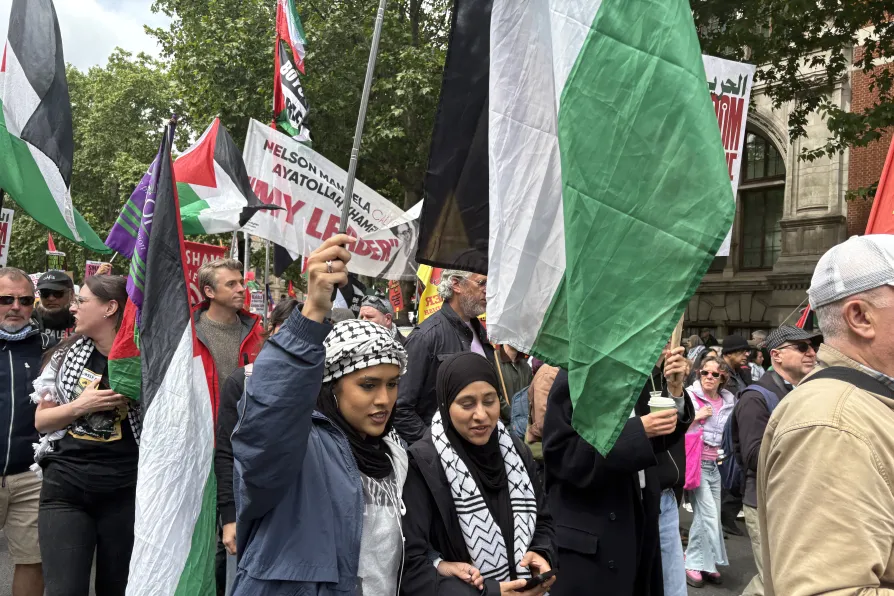
History suggests apartheid ends not through appeals to conscience alone but through sustained economic and political pressure, says HUGH LANNING
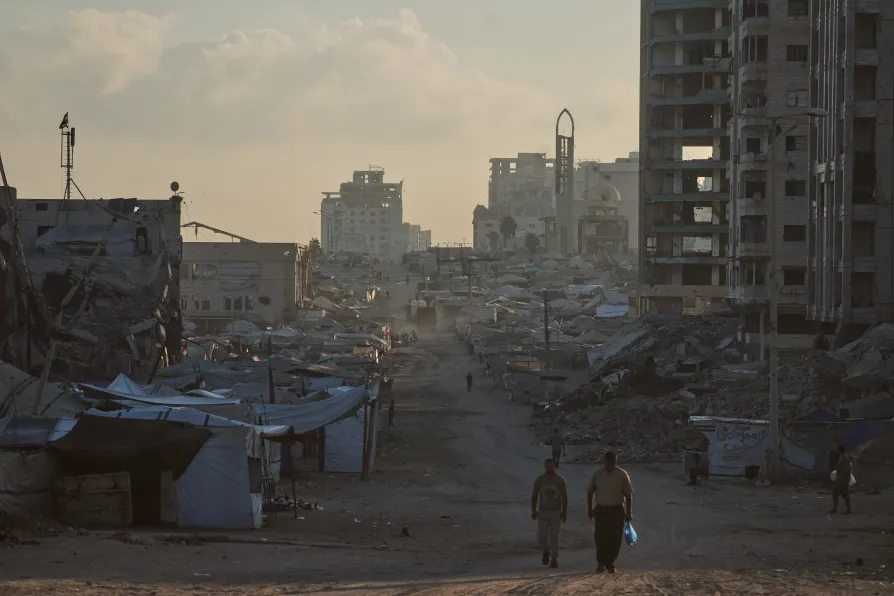
The struggle for Palestinian freedom has become a defining issue for everyone committed to justice, democracy and peace, says PETER LEARY ahead of the Stop the War International Conference on Saturday