The US is hell-bent on dismantling the International Criminal Court as part of its assault on global legal systems, but others also have valid reasons to seek its demise. BEN CHACKO provides the analysis


 Latest editorial

Iranian women engaged in the struggle of their lives
Despite the harsh conditions they face, Iranian women have proved to be vanguards in the struggle for fundamental changes in our country, says Dr AZAR SEPEHR
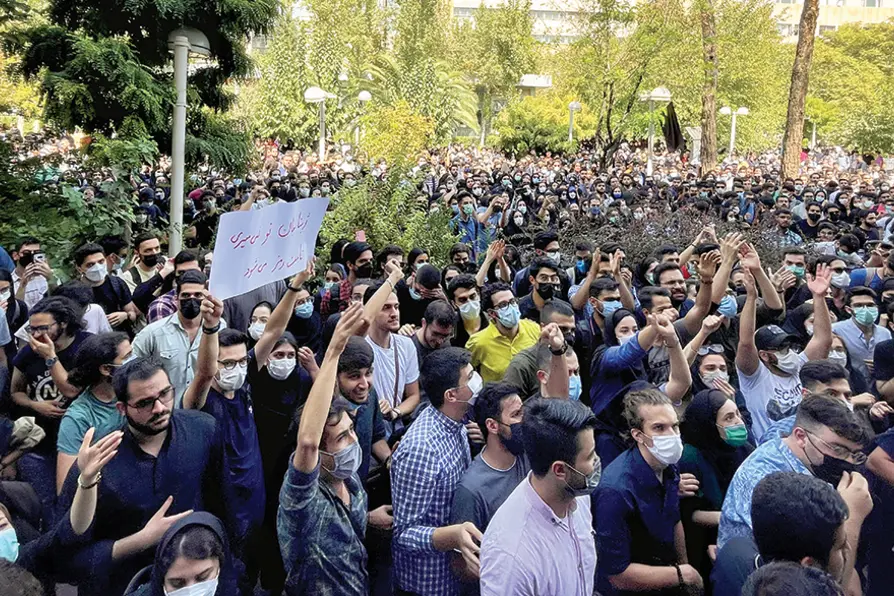 CAUSE FOR OPTIMISM: Female and male students of Amirkabir University of Technology protest, on September 20 2022, against the killing, in police custody, of Mahsa Amini
[Darafsh/CC]
CAUSE FOR OPTIMISM: Female and male students of Amirkabir University of Technology protest, on September 20 2022, against the killing, in police custody, of Mahsa Amini
[Darafsh/CC]

A small Palestinian village is under attack from illegal settlers and the Israeli state to forcibly extend their illegal settlements. It is a template for the future, writes RAMZY BAROUD
The fawning obituaries have painted a flattering portrait of Rod Liddle. STEPHEN ARNELL offers a rather less reverential view of the man and his legacy
Sovereignty and the rule of law are under threat from Trump’s attacks on Lula’s administration just as they have been across Latin America, argue CARLOS MARTINEZ and SARA VIVACQUA
Glasgow will remember the martyrs of the 1787 strike this weekend in speech and song, their spirit is sorely needed today, writes JIM LISTER





MARCH 8 is the day of renewed commitment to the struggle for gender equality and a world free from poverty, violence, discrimination, injustice and environmental destruction.
The first commemoration of this day took place more than a century ago, in 1911. By 1975 the UN had officially recognised this day as International Women’s Day, with a call on all governments to secure women’s rights and fight gender-based inequalities.
In 2025, the battle still continues. As wars rage in different parts of the world, often to subvert the will of the people, to exploit their natural resources or gain geopolitical advantage, women and their children suffer disproportionately from this violence. The recent rush to increase military budgets, following the threats from the extremist Trump administration, at the expense of services that benefit the people, is a serious threat especially to the working class and women.

Similar stories
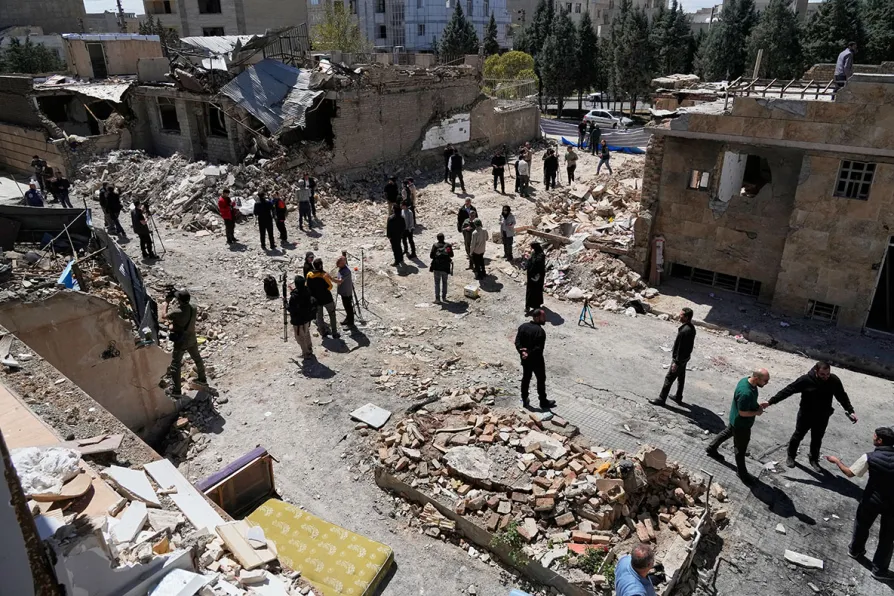
A packed fringe meeting at the National Education Union conference heard from Iranian teachers, campaigners and journalists
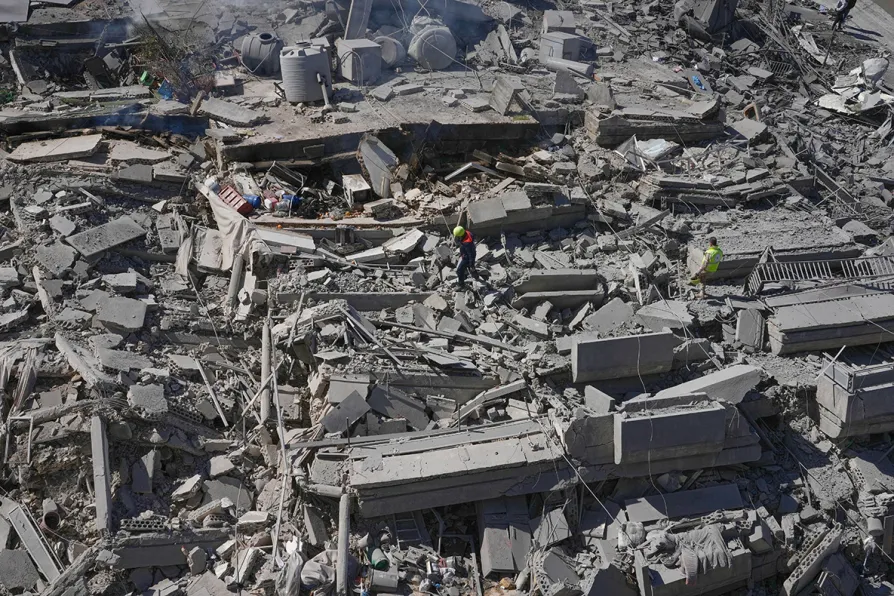
The civilian toll climbs past 1,000 as women, children and families are struck in their homes, schools and public spaces – a stark illustration of the human cost of war. AZAR SEPEHR emphasises that the future of Iran is solely determinable by the people of that country and them alone
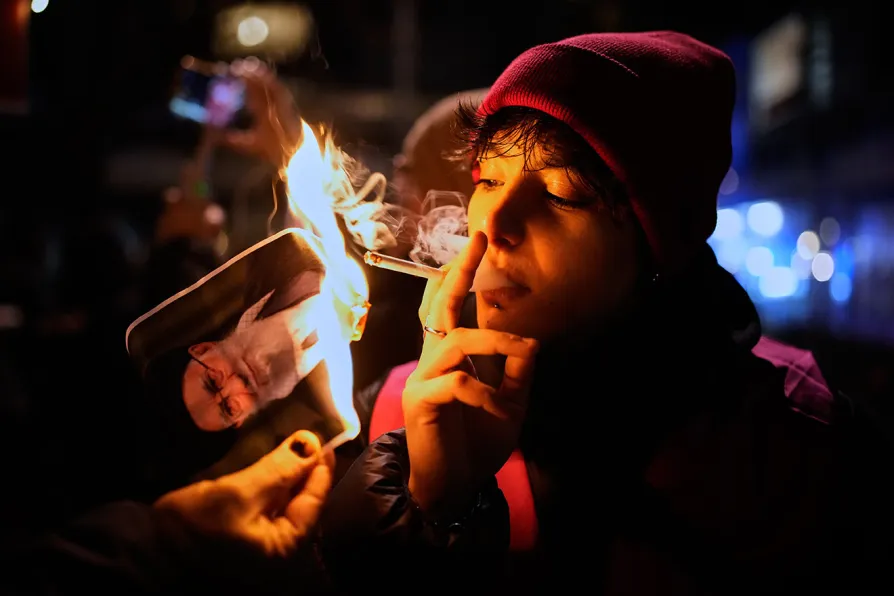
MOHAMMAD OMIDVAR, a senior figure in the Tudeh Party of Iran, tells the Morning Star that mass protests are rooted in poverty, corruption and neoliberal rule and warns against monarchist revival and US-engineered regime change
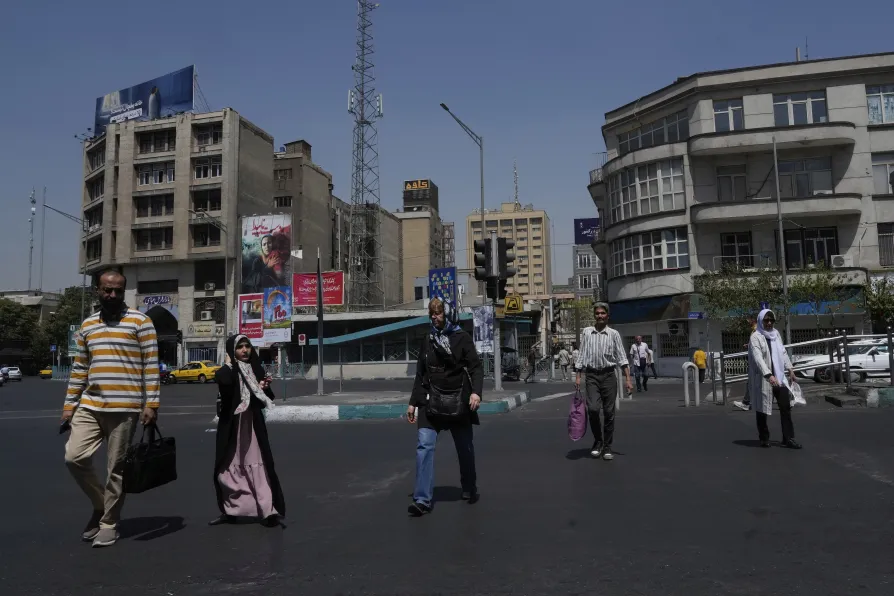
Payam Solhtalab talks to GAWAIN LITTLE, general secretary of Codir, about the connection between the struggle for peace, against banking and economic sanctions, and the threat of a further military attack by the US/Israel axis on Iran