Latest editorial

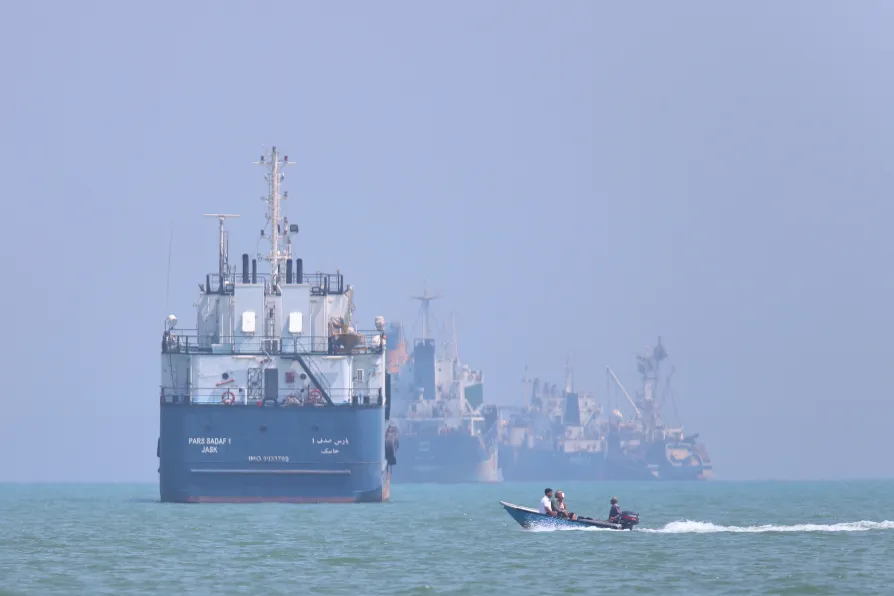
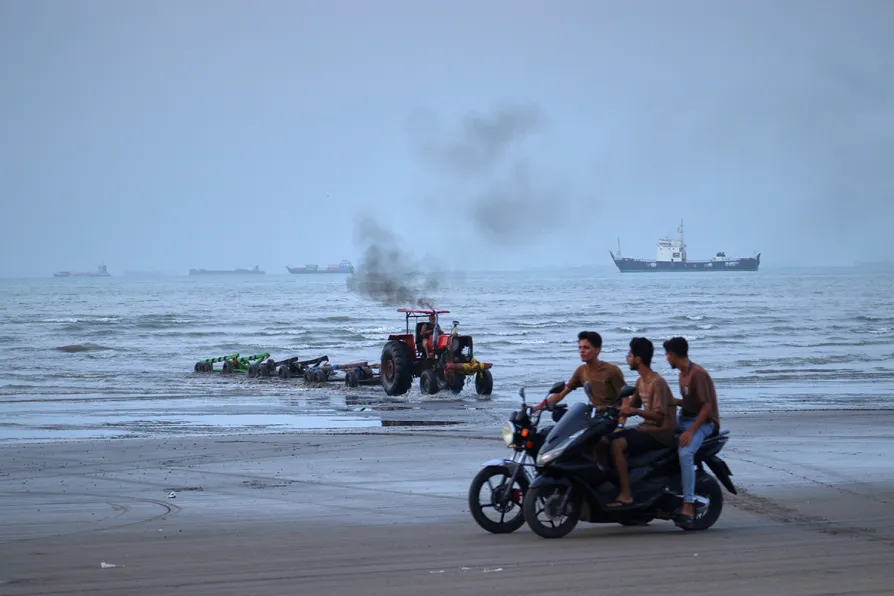 Young men ride motorcycles along the shore as a tractor pulls equipment from the water and commercial vessels appear anchored in the Strait of Hormuz off Bandar Abbas, Iran, July 27, 2026





THE United States must meet Iran’s demands in negotiations before the Strait of Hormuz reopens, Tehran said today.
This followed remarks by US President Donald Trump indicating a shift in strategy from military to economic pressure on Iran.
Iranian Foreign Ministry spokesperson Esmail Baghaei told reporters on Monday that it was “up to the US side to stop and make amends for its illegal and destructive actions,” as he noted the continued US blockade of Iranian ports.
Iran wants the US to lift the blockade, pay compensation for months of war damage, lift economic sanctions and release Iran’s frozen assets.
The closure of the Strait of Hormuz, which normally carries roughly one-fifth of the world’s traded oil supplies, has become the war’s most lasting consequence.
The closure has kept energy prices a major focus of US politics ahead of November’s midterm elections.
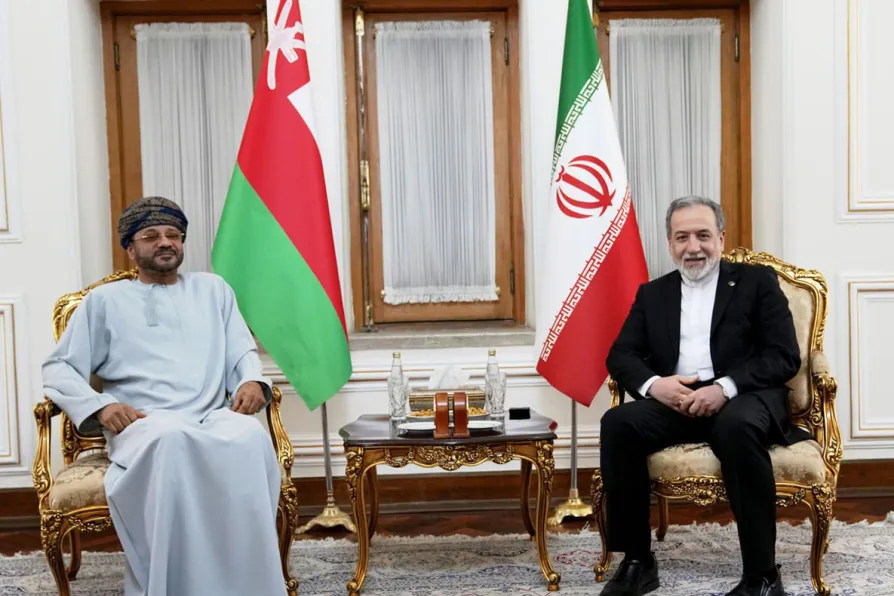
Iran is holding separate talks with Oman over transit through the strait, including potentially a temporary shipping corridor. But it has said any actual reopening is contingent on talks with the US.
US President Donald Trump on Sunday indicated a more cautious approach to the conflict with Iran.
He told the Axios news network that Washington is “only semi-negotiating” with Tehran while monitoring the toll the war has taken on Iran’s economy.
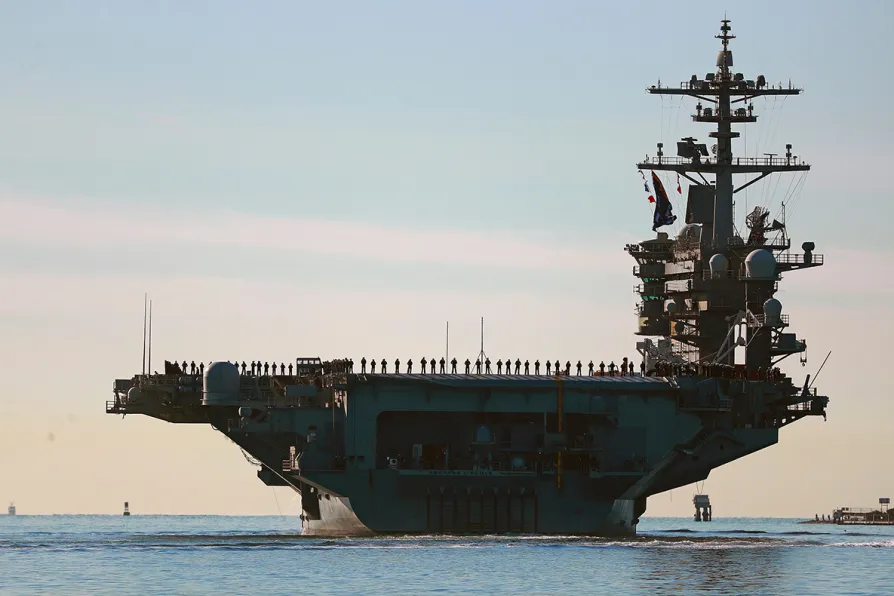
He said Iran is in “very bad shape” financially, citing high inflation and difficulty paying its own troops, and credited a US naval blockade in place since April with deepening that pressure.
President Trump also said falling oil prices, now just above $75 (around £56) a barrel, have eased the economic impact on US consumers.
He insisted: “It will work out. It always works out. It’s like a chess game.”
The US and Israel launched an illegal and unprovoked war against Iran on February 28.
President Trump said the attacks were aimed at keeping Iran from developing nuclear weapons, something it has always insisted it has no plans to do. A ceasefire reached in June was broken by the US which sparked disputes over control of the strait, and fighting resumed.
Since then, Iran has continued to strike US bases in Kuwait, Bahrain and Jordan, while forces of Yemen’s Houthi-led government, allied with Tehran, declared a separate naval blockade against Saudi Arabia last month.
Recent reporting has suggested friction between Washington and Israel over the pace of US efforts to wind down fighting on multiple fronts, including in Gaza and Lebanon.