Latest editorial

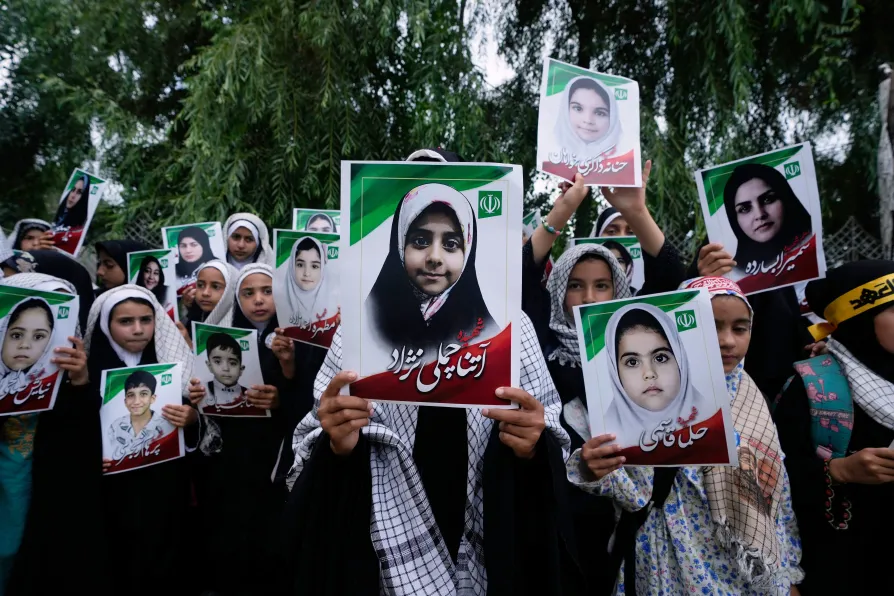
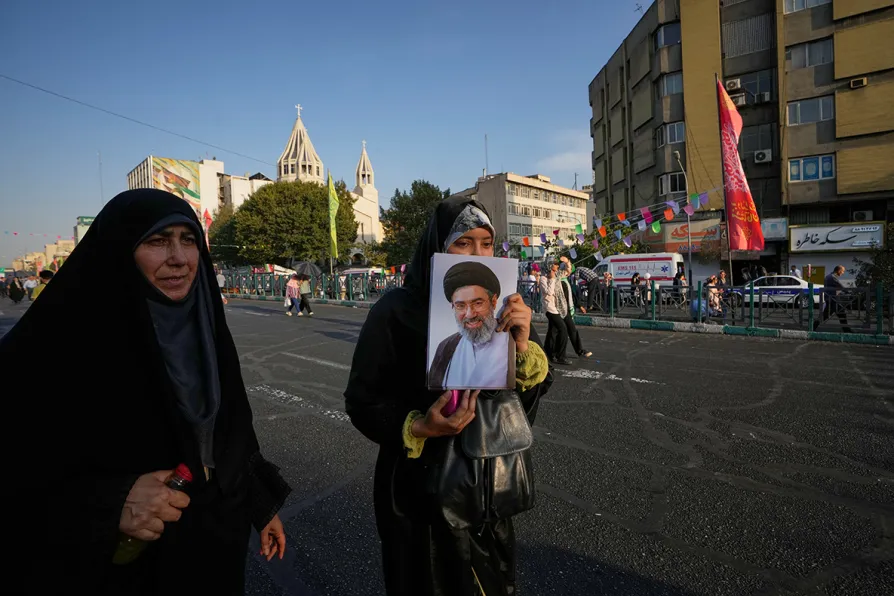 A government supporter holds a portrait of Iran's Supreme Leader Mojtaba Khamenei





IRAN’S Supreme Leader Mojtaba Khamenei called today for the Muslim world to confront the “real enemy,” rather than allowing divisions to be created among them.
In a written statement, Ayatollah Khamenei, referring to the United States, said: “They strive to turn various racial, cultural, social, economic, political and geographical differences into pretexts for creating discord among Muslim people in Iran and in any other Islamic country.
“From this perspective, they observe the fragmentation of the Islamic ummah [global Muslim community] and the weakening of its forces, waiting for the opportune moment to impose their dominance over them.”
The Ayatollah asked: “Would the Palestinian nation be so defenceless, subjected to the oppression and crimes of the occupiers, if Muslims were united, clenching their fists with strength?
“And would the nations and governments residing around the Persian Gulf have the courage to let corrupt and identity-less scoundrels from thousands of kilometres away covet their lands and assets if they established their unity under the banner of Islam?”
He urged Muslim heads of state to “recognise their real enemy, understand its plans, and confront it.”
“The criminal rulers of America and the fake zionist regime are sworn enemies of this unity and friendship,” said Mr Khamenei.
He added: “They are not only enemies of the Islamic Republic and the Iranian nation, as well as the vast front of Islamic resistance; they also harbour animosity towards the entire Muslim ummah, including the nations of west Asia and north Africa.”
Other leaders in Tehran have acknowledged the mounting economic damage caused by six months of war with the US.
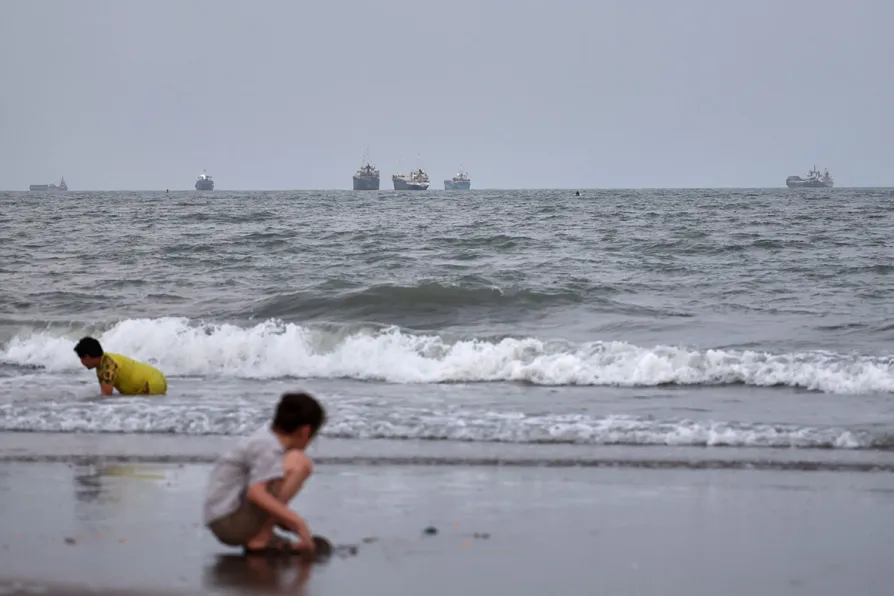
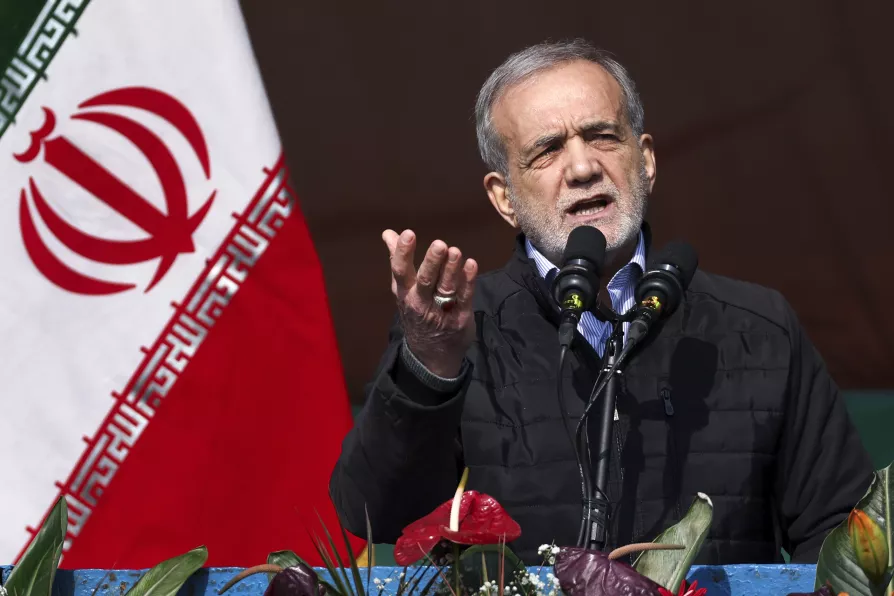
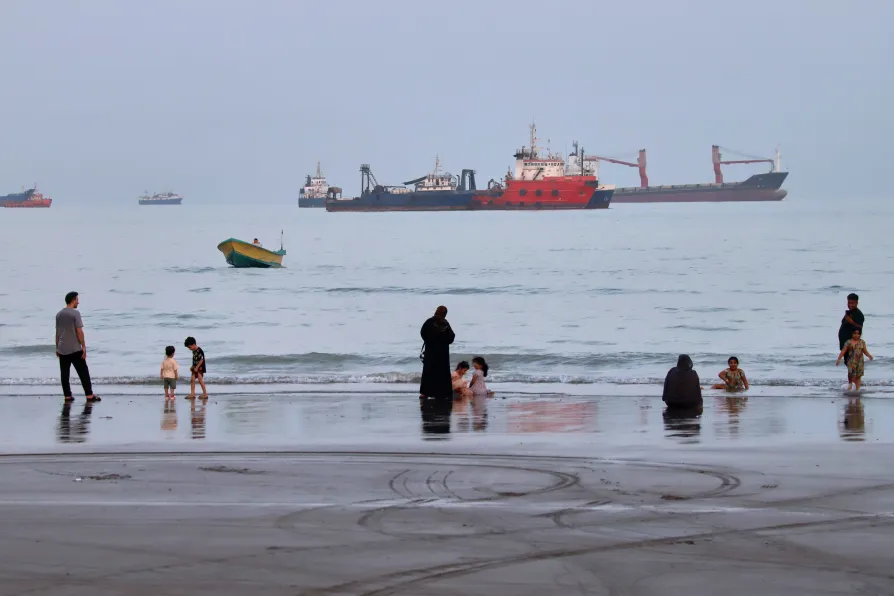
Iran’s President Masoud Pezeshkian said on Saturday that foreign trade has shrunk by more than a third under US sanctions and a naval blockade.
The admission came as Tehran insisted it had no intention of backing down to US demands and would maintain its control over the Strait of Hormuz.
The government said addressing the economic fallout was now a central focus, including curbing inflation, creating jobs and gradually eliminating the country’s dependence on the dollar.
Mr Pezeshkian told Iranian media that exports and imports had slumped nearly 35 per cent because of sanctions and the blockade of Iranian ports.
He said Iran had managed to sell about 90 million barrels of oil during the short-lived memorandum of understanding signed with Washington in June, when oil sales were briefly permitted.