Transparency records reveal senior trade officials held dinners and strategy meetings with the notorious lobbying firm even as controversy over its Epstein links deepened, says SOLOMON HUGHES


 Latest editorial

Iran and the international trade union movement
Assistant general secretary of the global union federation IndustriALL KEMAL OZKAN spoke to Liberation about the current labour struggles in Iran, from teachers to oil workers
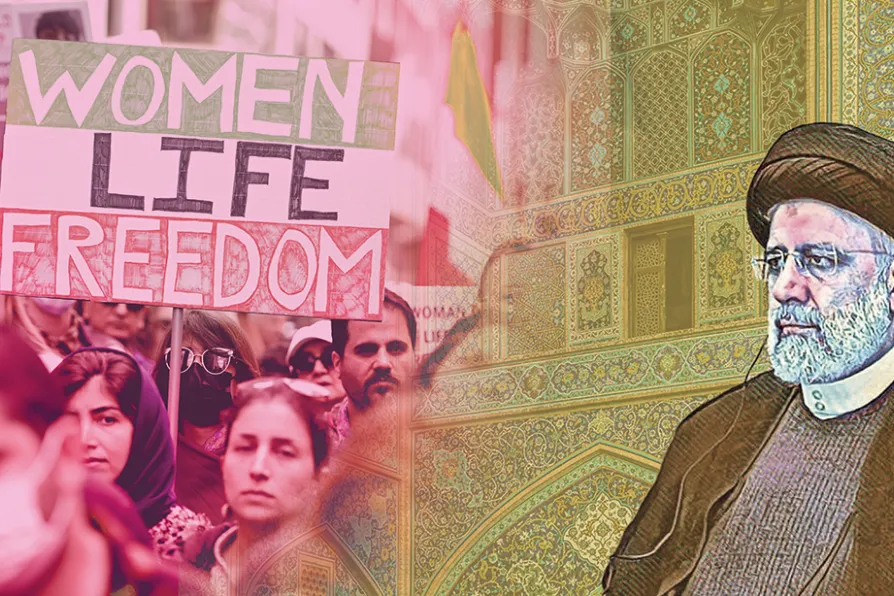
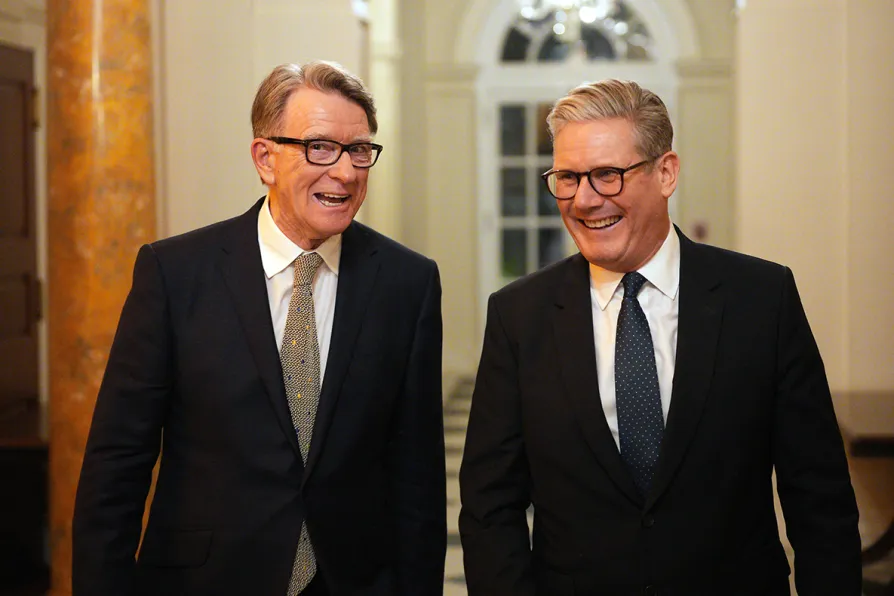
Starmer promised a reset after Labour’s dire electoral performance, but the government’s programme still falls far short of the bold action needed, says ANDY McDONALD MP
ANDREW DRAPER reports on the deliberate targeting and torture of Palestinian journalists by the Israeli state
Author Michael Rosen asked people how we confront a takeover by Reform. The Labour Party would do well to listen to the answers rather than shuffle more deckchairs on the Titanic, writes LINDA PENTZ GUNTER
What began as a purported ‘anti-drugs mission’ has evolved into a permanent regional military operation, write ROGER D HARRIS and JOHN PERRY
KEITH FLETT looks at a post-election London





Could you tell us about the situation of trade unions in Iran today? Are they recognised by the authorities and free to organise? How strong are they? What are the key challenges they face?
FROM the start, the Islamic Republic has sought to portray itself as a guarantor of labour rights. This was done to co-opt the thriving labour movement, which had been a driving force in the revolution, and to undermine the left.
This ended with the sharp dictatorial turn of the regime in the early 1980s and the bloody suppression of the left-wing opposition groups. Despite the provisions of the revised (1989) constitution, which protects the right to form and be active in a trade union, the Islamic Republic does not tolerate independent trade union activities of any kind and has a long and brutal track record of suppression in this respect. Its default response is intimidation, violence, and repression.
Because of their struggles, unions and their activists enjoy huge support among the general population and are afforded a lot of respect. The regime is acutely aware of this and labour activists remain the largest of the contingents among Iran’s significant population of political prisoners. Several activists have already served long or repeated sentences of imprisonment.
Concerns relating to the workplace are at the forefront of the public’s consciousness. A recent example is the ongoing struggle of Iranian teachers and education workers — represented by the Iranian Teachers Trade Association (ITTA) and their confederation; the Co-ordinating Council of Iranian Teachers Trade Associations (CCITTA).
Not only were they one of the prominent trade unions that supported the recent “woman, life, freedom” protest movement, but they have also continued their gatherings and vigils despite constant harassment and huge pressure from the regime.
The campaign for the release of long-time political prisoner and former secretary of the ITTA, Esmail Abdi, is just one of several pertaining to activists from this union. It is testament to their resolve that the teacher union activists currently account for one of the highest proportions of political prisoners from any single organisation in Iran today.
There have been many stories about the regime’s abuse of workers’ rights and repression of those who demand fair pay and decent working conditions. How does the ITUC respond? Does the ILO intervene?
Iran is in breach of its obligations under core ILO Conventions. However, because independent trade unions are not recognised by the regime and are forced to operate underground, bodies such as ITUC and ILO have limited avenues to act.

Similar stories
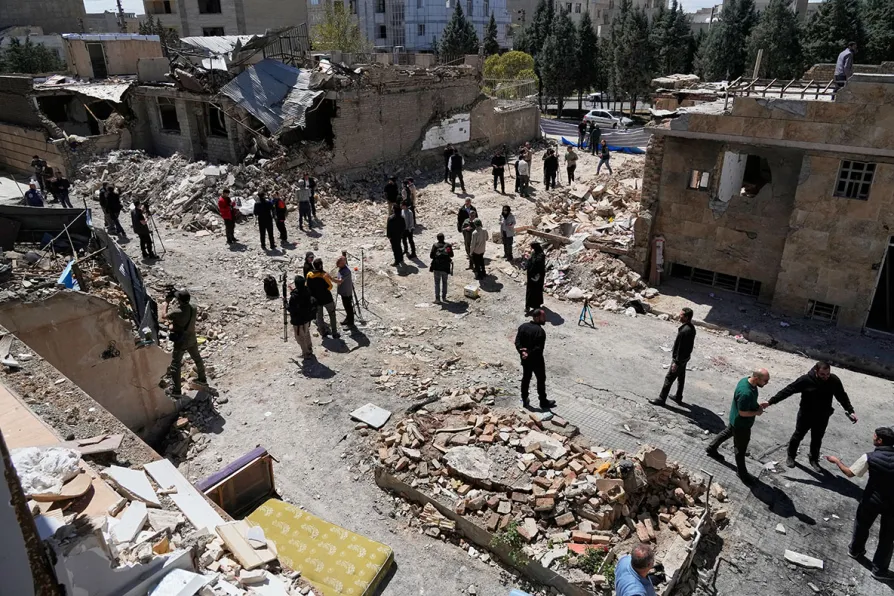
A packed fringe meeting at the National Education Union conference heard from Iranian teachers, campaigners and journalists
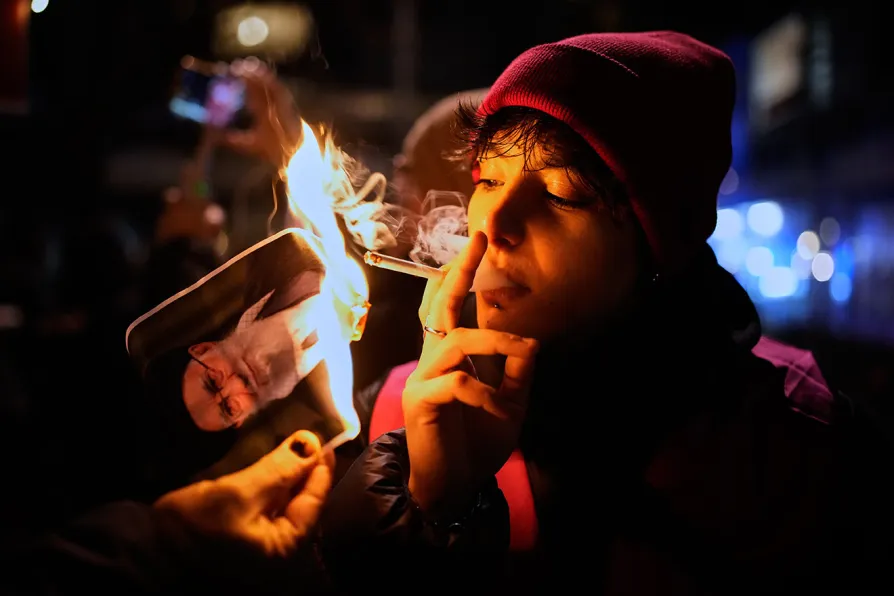
MOHAMMAD OMIDVAR, a senior figure in the Tudeh Party of Iran, tells the Morning Star that mass protests are rooted in poverty, corruption and neoliberal rule and warns against monarchist revival and US-engineered regime change
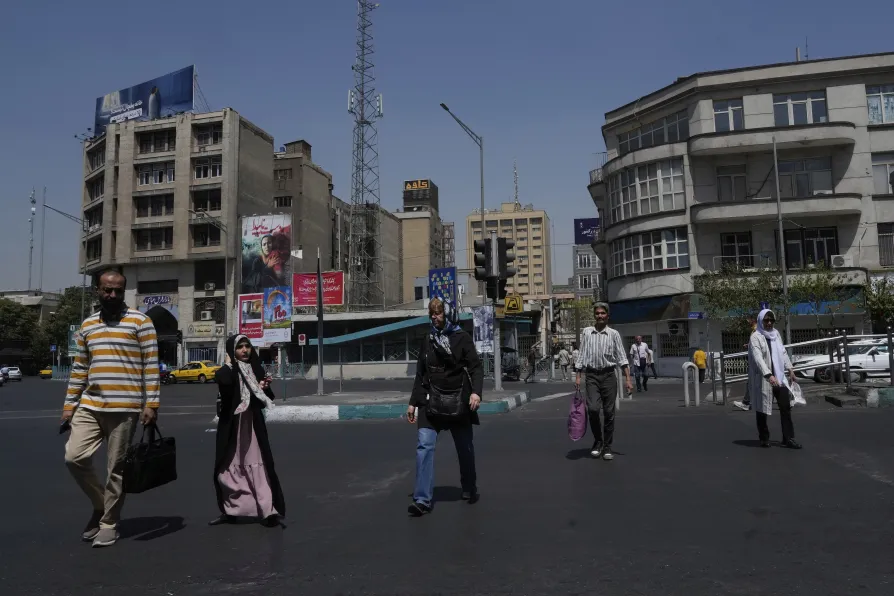
Payam Solhtalab talks to GAWAIN LITTLE, general secretary of Codir, about the connection between the struggle for peace, against banking and economic sanctions, and the threat of a further military attack by the US/Israel axis on Iran
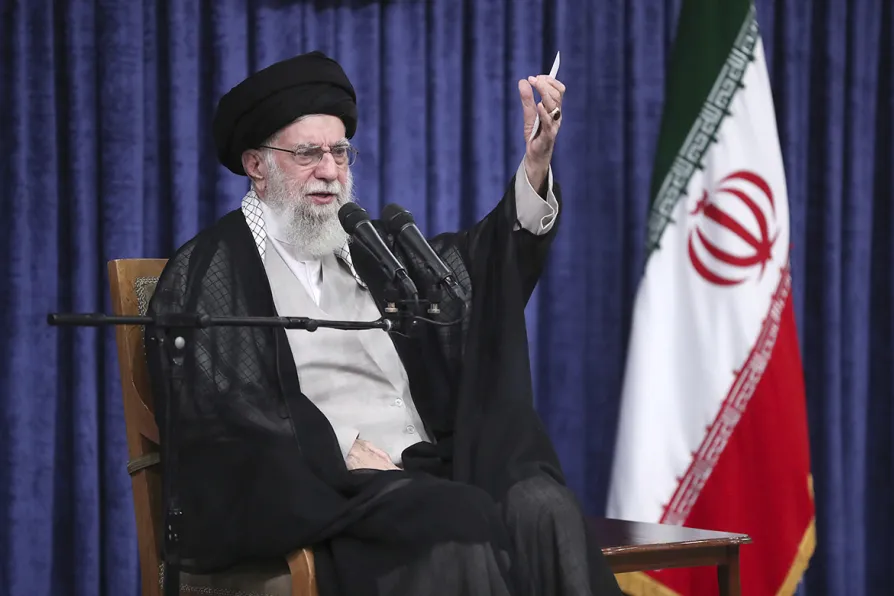
The Islamic Republic is attempting to deflect from its own failures with a scapegoating campaign against vulnerable and impoverished migrants, writes JAMSHID AHMADI