The question is not simply how much we spend on defence, but what we understand defence and security to mean, says SIMON BRIGNELL



Gustavo Petro’s first year: social and environmental justice
Guaranteeing free higher education, agrarian reform, reopening relations with Venezuela and an attempt to reform healthcare, labour regulations and pensions are a strong start, writes LAURA CAPOTE
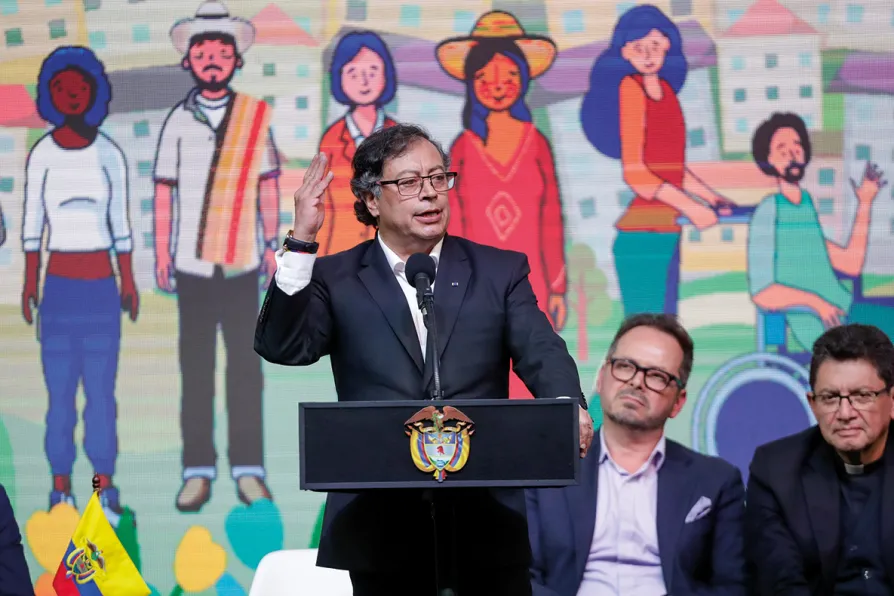
 Colombia's Gustavo Petro

Given the recent rejection of peace proposals by Israel the world must provide an immediate and resolute response to force accountability on Gaza, argues RAMZY BAROUD
MARK SEDDON tries to cool off in the countryside to avoid the heatwaves but the greed and incompetence of the privatised water industry is now at boiling point
The disputed election of a far-right president, who is also a US citizen, signals further consolidation of Washington’s regional power and represents a threat to the country’s democracy and sovereignty, writes WT WHITNEY JNR
by Her Excellency Ismara Mercedes Vargas Walter, Ambassador of the Republic of Cuba to the United Kingdom
DR STEPHEN WILKINSON assesses the life and legacy of a revolutionary giant





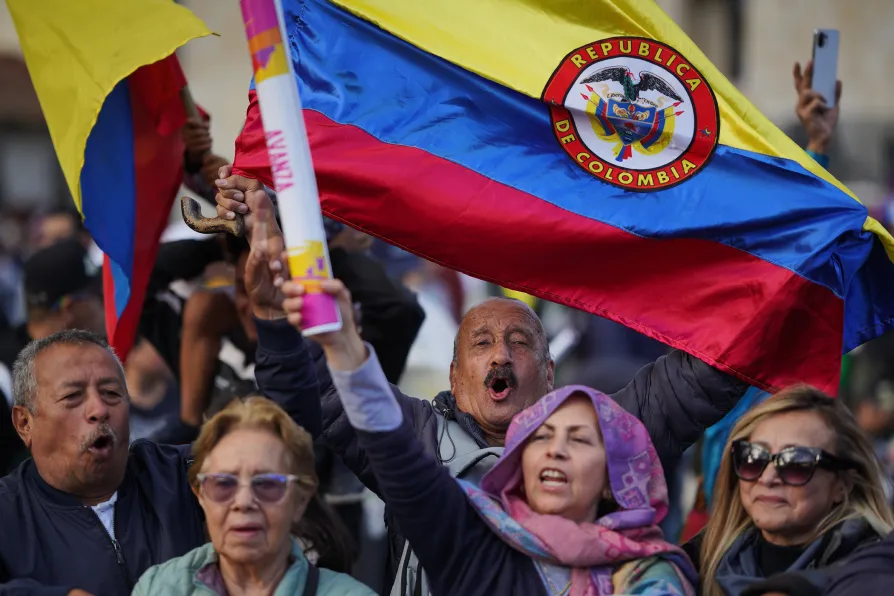
THIS month marked the first year of the first progressive government in Colombia’s history. In this short time, the government has proven its commitment to defend its victory at the polls. The Colombian people have also affirmed their will to enact radical change that brings the country closer, in the terms of the National Development Plan presented by Gustavo Petro, to being a “world power of life.”
Domestic, regional, and international factors have marked these 12 months of government and undoubtedly will shape the course of the three years to come. These elements include the political will for transformation, an opposition led by the economic sectors that see their interests affected by the government’s reforms, and the fact that peasant, indigenous, impoverished, and diverse people have gone from absolute invisibility to the front page of government policies with the project of social justice.
Achievements and reforms to come

Similar stories
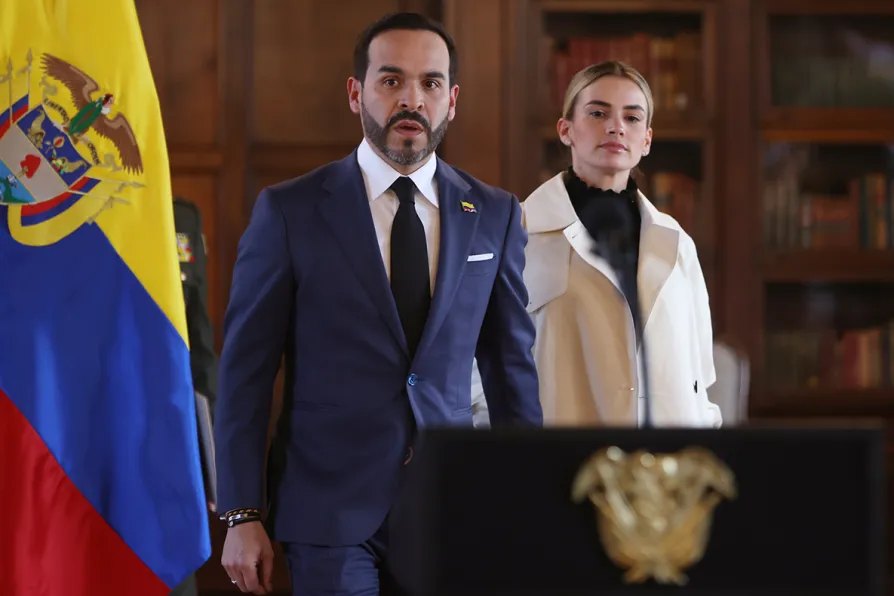
The disputed election of a far-right president, who is also a US citizen, signals further consolidation of Washington’s regional power and represents a threat to the country’s democracy and sovereignty, writes WT WHITNEY JNR
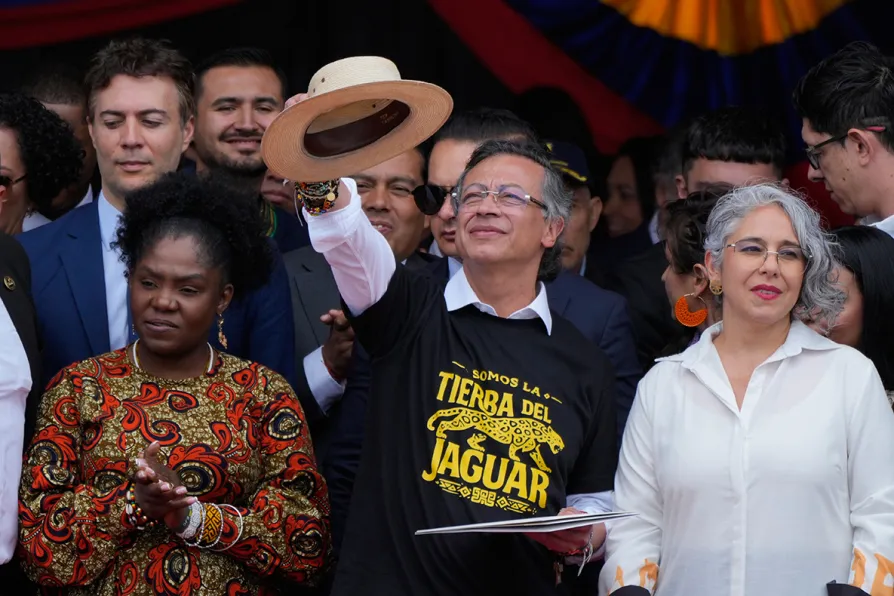
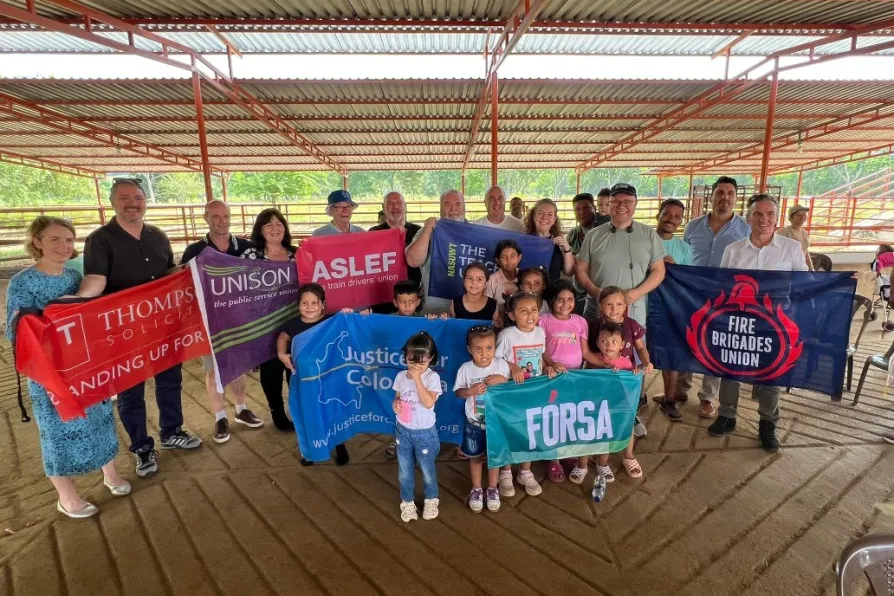
With Petro, Colombia has been making huge strides towards peace — but is all that at risk with the elections next year? MARK ROWE reports back after joining a delegation to the Latin American country
Colombia’s success in controlling the drug trade should be recognised and its sovereignty respected, argues Dr GLORY SAAVEDRA