
Tackling climate change is not just an urgent environmental necessity but provides an opportunity for economic restructuring in the interests of the Welsh people


The things that could be done with Labour in power
Scotland needs a government that will work with the trade union movement for change, not simply blaming Westminster for problems we have the powers to solve, argues NEIL FINDLAY

 Rosa Gatta and daughter Millie Sordillo has a picture taken with Labour leader Jeremy Corbyn after he spoke to party members in the Red Lion, Winsford while on the local election campaign trail, yesterday

A spate of bomb recoveries across Dhaka raise questions whether extremism is making a comeback, says SIAM SAROWER JAMIL
Poverty, refugee displacement, child labour and militia violence are exacerbating the challenge of health workers to limit this deadly contagious disease. CONSTANT SAME BAGALWA and MARK BANCHEREAU report
CLAUDIA WEBBE speaks out against the lethal mechanics of Britain’s culture-war press
Powerful agribusiness interests are trying to overturn efforts by the Lula government to protect the environment and indigenous peoples of the Amazon region, writes GABRIELA SA PESSOA
Trade unions and community groups are mobilising to push back against Trump’s racist raids after new revelations of spying on legal protesters. MARK GRUENBERG reports from the US state of Minnesota
The best wildfire service may begin with the community, argues KOMAL RAJ ARYAL





THIS year has been one of significant victories for Scotland’s labour movement — the Glasgow equal pay settlement and the teachers’ pay award being the most notable examples.
But it has also been one of industrial setbacks with major body blows to workers at Michelin in Dundee, the Caley railway works at Springburn, HES in Shotts, McGills in Dundee and Kaiam in Livingston.
This is not to mention the year-on-year job losses across the public sector, especially in Scotland’s beleaguered councils. While headline employment figures may paint a rosy picture the reality for many working people is quite different.

Similar stories
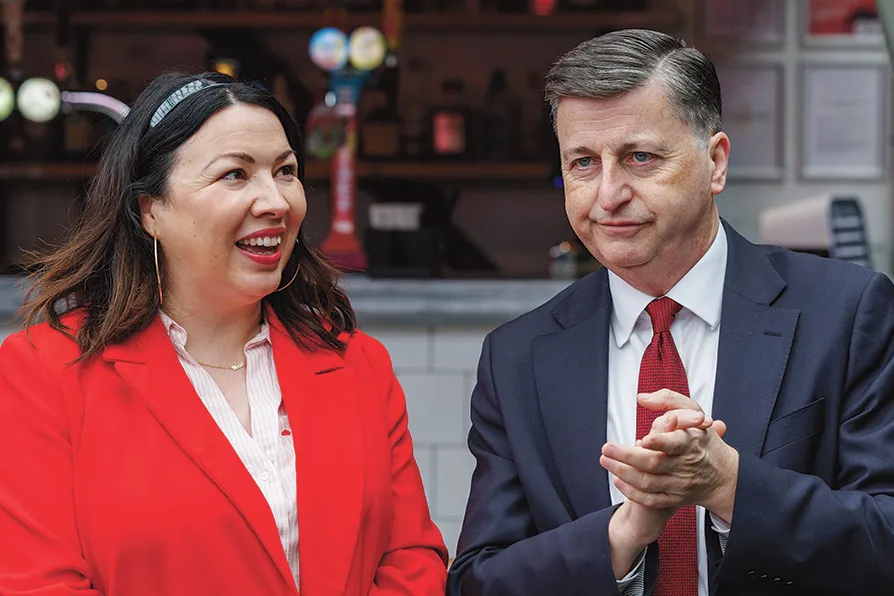
To govern again, we must first earn back the confidence of the people who founded our movement
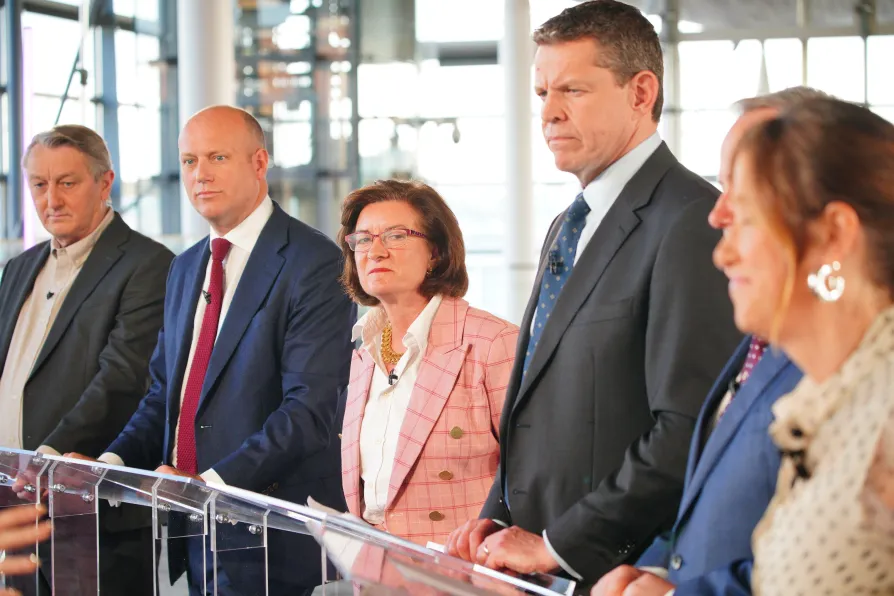
The election offers a critical chance to shape the future of pay, care and community provision in Wales, says Unison’s JESS TURNER

CWU leader DAVE WARD tells Ben Chacko a strategy to unite workers on class lines is needed – and sectoral collective bargaining must be at its heart
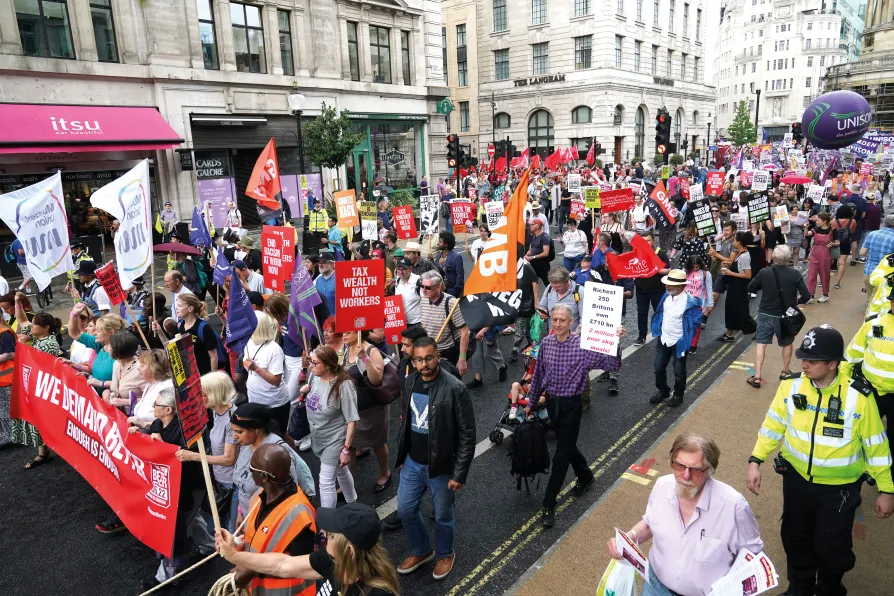
Labour must not allow unelected members of the upper house to erode a single provision of the Employment Rights Bill, argues ANDY MCDONALD MP