
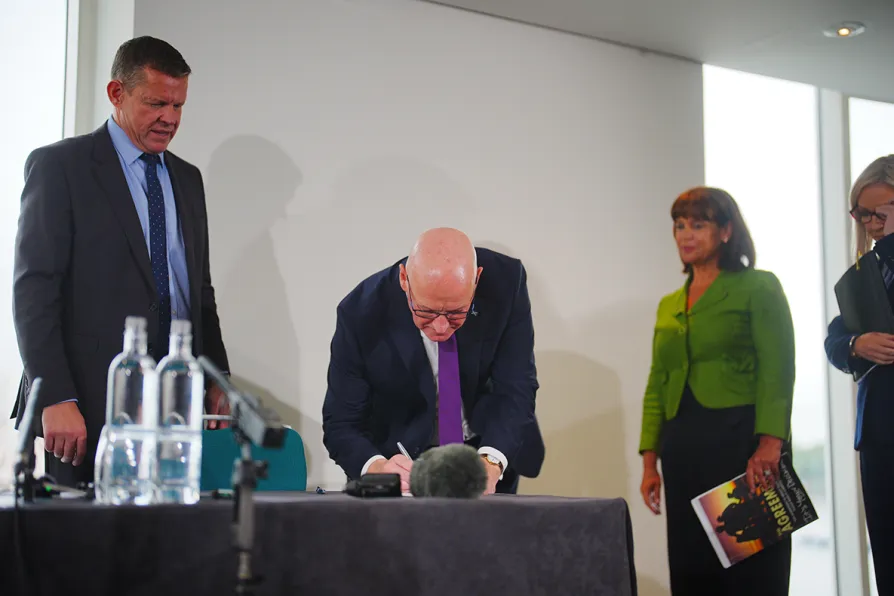
The UK Prime Minister may have the regal touch in northern England, but he’s been wrong-footed on the constitutional challenges posed by the Celtic Alliance of first ministers from Scotland, Wales and Northern Ireland, argues KENNY MacASKILL

A Bill that falls short of the bold action we need
The Employment Rights Bill is a vital opportunity to rebalance power between workers and employers. As it passes to the Lords, pressure must be brought to bear to strengthen this key legislation, argues ANDY McDONALD MP

 WE WILL BE HEARD: Convenor for GMB Scotland Chris Mitchell speaks as members of the Unison, GMB, Unite and the EIS trade unions stage a lunchtime protest outside City Chambers, George Square, Glasgow demand a one year no-cuts budget, February 19 2025
NEIRLAY ANDRADE, a member of the Communist Party of Venezuela’s political committee, outlines her party’s position on the crisis facing the country
A look at Taylor Wimpey’s accounts shows why Labour’s market-led housing strategy won’t deliver more, cheaper homes, as promised, says SOLOMON HUGHES
DAVID HORSLEY remembers the remarkable life and death of US black revolutionary George Jackson, whose politically passionate prison letters were published as Soledad Brother
Cuban trade union federation CTC leader OSNAY MIGUEL COLINA speaks to Ben Chacko about life and work under a crippling US siege
A part of the British empire’s network of slavery, today the Caribbean island of Nevis faces a new form of exploitation in the form of crypto-colonialism, CLAUDIA WEBBE writes
Challenges from the unscrupulous misuse of AI to steal actors’ voice and physical likenesses is being met with a firm union response, writes LYNDA ROOKE





FOR decades, workers in Britain have faced a steady erosion of their rights, job security and real wages.
The objective of the Employment Rights Bill, rightly heralded as the most significant expansion of workers’ rights in a generation, is to reverse this trend and improve working conditions.
However, its passage through Parliament highlighted just how significant the gaps in employment law and trade union legislation have developed over the decades and have so limited the effectiveness of unions in their task of fully defending their members.

Similar stories
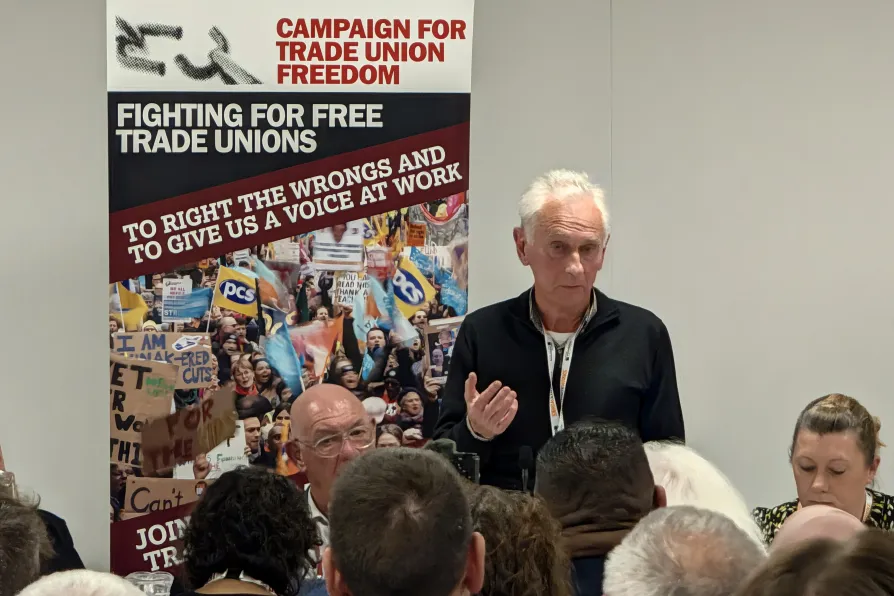
Collective bargaining, a single status of worker and the right to take solidarity action key themes of packed Institute of Employment Rights-Campaign for Trade Union Freedom fringe meeting at TUC 2026

Our priority must be to defend hard-won protections while linking equality law to trade union power and wider social transformation, says MARY DAVIS, on behalf of the Women’s Liberation Alliance
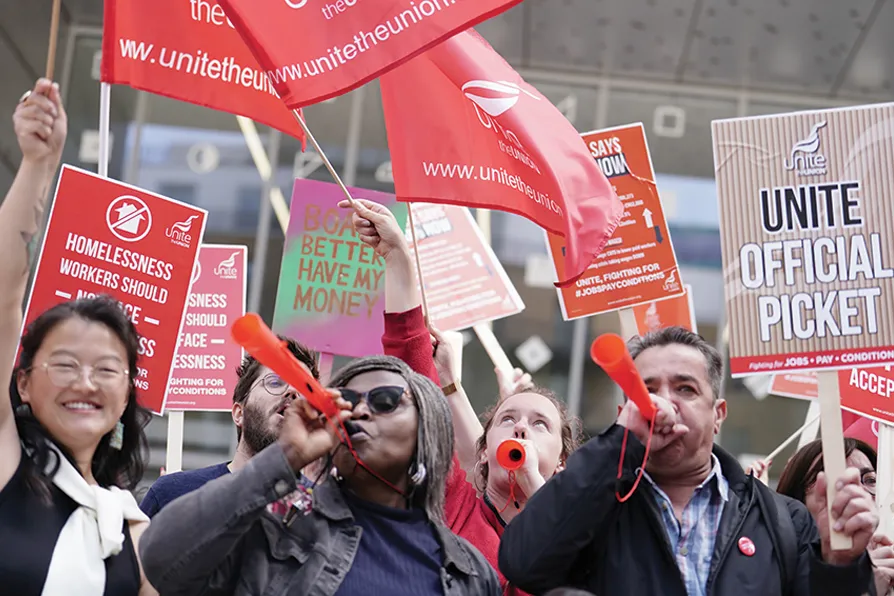
The unions are unhappy with the Employment Rights Act 2025 and with good reason. KEITH EWING and Lord JOHN HENDY KC take a close look at why the Bill promised more than it delivered

Labour’s long-promised Act has scraped through the Lords. While the law marks a step forward, its lack of collective rights leaves workers short-changed — and sets the stage for a renewed campaign for an Employment Rights Bill #2, argues TONY BURKE