DOUG NICHOLLS says the parasitic finance markets must be challenged or another British government could be toppled


 Latest editorial

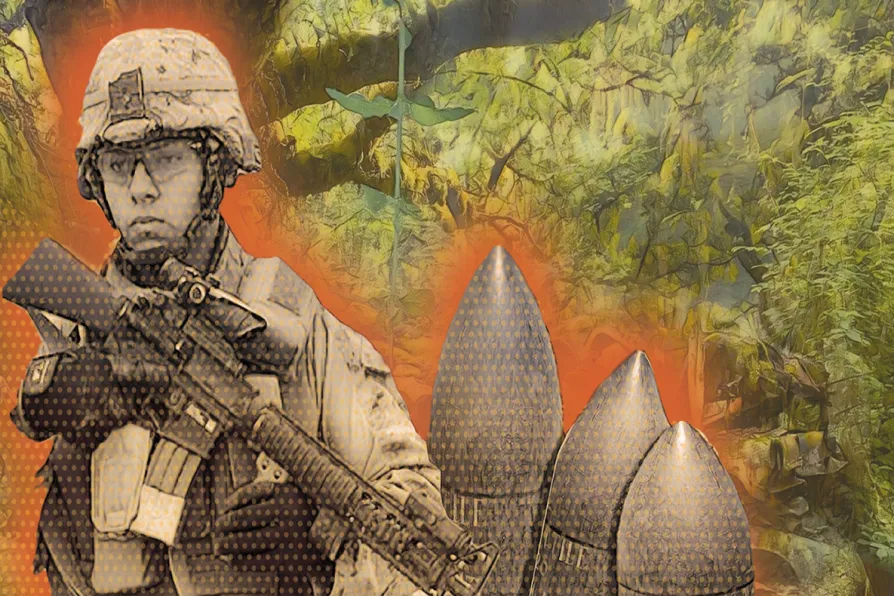
How the US wages war against the Earth
The US military is the world’s most carbon-intensive institution — and yet its budget just keeps growing, writes ALLIYAH LUSUEGRO
The late country singer’s Imagination Library has put hundreds of millions of books into children’s hands. We should build on that legacy by defending the libraries at the heart of our communities, says BRENDA AITCHISON
Deprivation is a fundamental factor in criminal behaviour that must be addressed but, KENNY MacASKILL argues, there needs to a major rethink in sentencing to tackle overcrowding
MML director MEIRIAN JUMP outlines the recently refreshed library’s busy autumn schedule that ranges from book sales, archival exploration, community work with online education and the ever popular site tours
Some thinkers and authors on the right are openly discussing the possibility that the historically successful party of the British ruling class may be exhausted
Class struggle is the motor of history but the direction and detail of change at any time and place is the outcome of many factors, suggests the Marx Memorial Library and Workers’ School
TONY BURKE surveys the shifting political landscape and the challenges Labour needs to address if it is to prevail in the 2028 federal elections





NOT long ago, I couldn’t step outside my home without pulling on my KN95 mask.
As smoke from wildfires in Canada swept in waves across the US, tens of millions of Americans from the east coast to the midwest found themselves living under severe air quality advisories. Phones buzzed with warnings as wildfire haze clouded our skylines and concerts and baseball games were cancelled or postponed.
A few weeks ago was the first time I experienced a Code Purple or Code Maroon — and the first time I understood what an Air Quality Index (AQI) of over 300 truly means as my eyes stung from the charred air. It’s unlikely to be the last.
With the wildfire season still going strong, heatwaves rolling across the country, and hurricane season looming, we haven’t seen the last disruption to our lives this year. And it’s becoming abundantly clear that we simply aren’t prepared for climate disasters.

Similar stories
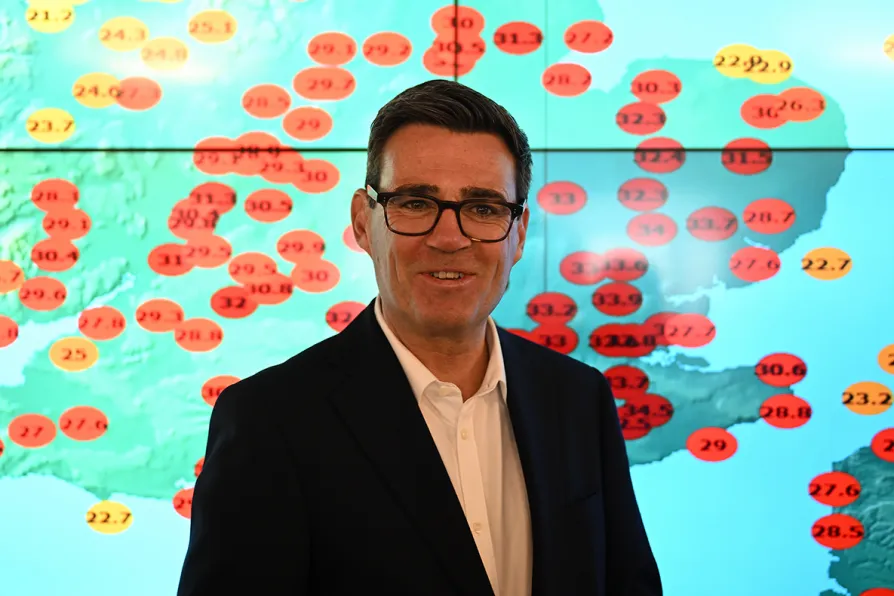
Burnham urged to stand up to the fossil fuel giants and reject plans to drill Britain’s largest untapped oil fields
![Ontario Premier Doug Ford speaks in front of a live map of smoke movement during a press conference updating media on ongoing forest fires in Ontario, in Toronto [Pic: Cole Burston/The Canadian Press via AP]](https://msd11.gn.apc.org/sites/default/files/styles/desktop/public/2026-07/8canadafire.jpg.webp?itok=9a8C3kap)
As Ontario burns, campaigners are demanding action – not more pipelines, says DAVE McKEE
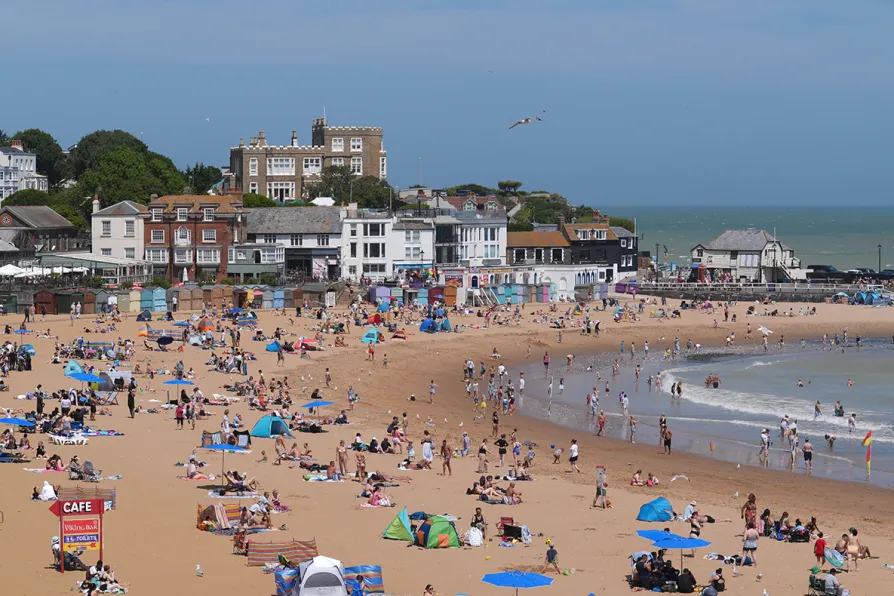

The recent heatwaves revealed how ill-prepared Britain remains for a hotter future – and how unequal the ability to cope with it has become, write ROX MIDDLETON, LIAM SHAW and MIRIAM GAUNTLETT