Unison director of organising KEVIN LUCAS explains the Organising to Win strategy, its successes to date and key tests on the union’s horizon


 Latest editorial
The Balkan route: refugees, repression and solidarity in Serbia
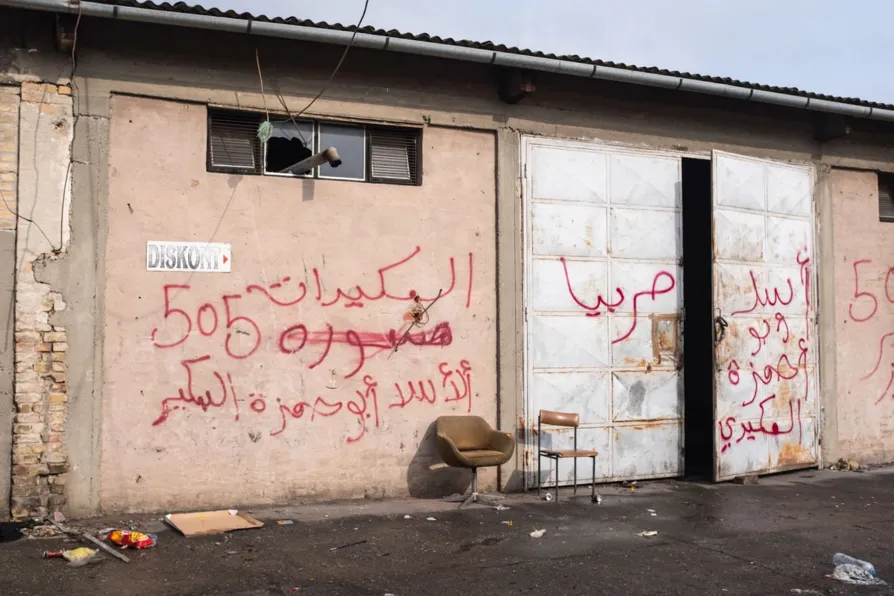
ANTON McDONALD reports from the Balkans on the efforts of a small group of humanitarian NGOs to support the desperate migrants crossing the region to reach Western Europe
 [Anton McDonald]
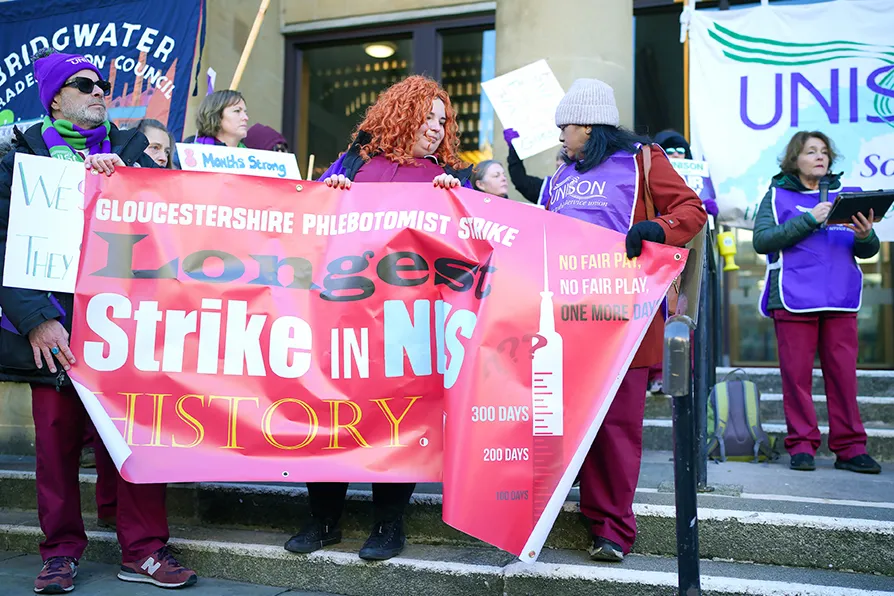
Young workers do want to get involved in Unison, and where that is enabled we see growth in workplace power, argue Unison North West Young Members co-chairs ZAIHERA CHAUDHRY and IAN CAULFIELD
British military spending is among the highest in the world, diverts scarce resources from far better causes and fuels international conflict. It’s time we made different choices, argues LIZ PAYNE
Trade unions, trades councils and community organisations must work together to build lasting solidarity and resistance to the far right, argues DREW GILCHRIST
Animal metaphors are testament to delight in the non-human world and what we hope and wish for human freedom, argue ROX MIDDLETON, LIAM SHAW and MIRIAM GAUNTLETT"
Economists estimate extreme poverty could be drastically reduced for a fraction of global defence spending, yet military budgets continue to expand year on year, says JON TRICKETT MP, ahead of the Stop the War International Conference on Saturday





THE Serbian-Hungarian border is an increasingly hostile environment for those on the move. Despite this, many continue to take this route through the Balkans in pursuit of Europe. In fact, the number of people travelling is on the rise.
According to a report published by Belgrade Centre for Human Rights, the number of “registered foreigners” in Serbia doubled in 2022 from the previous year. Similarly, data published by the UN refugee agency states that there was a 57 per cent increase in refugees and migrants passing through Serbia between January and February of 2023 compared with the previous year.
As part of the journey, many will temporarily reside at one of the squats and camps that exist in the north of Serbia, some only a few miles from the border — dilapidated buildings, improvised structures and tents. These compromised dwellings are considered illegitimate and therefore exist without support from the state. However, they are not alone.
In solidarity and respect

Similar stories
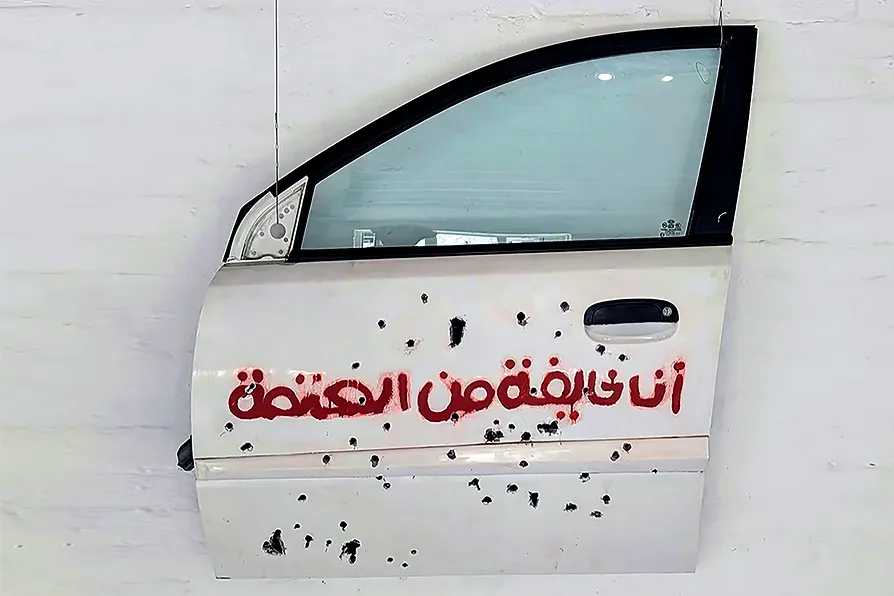
JOHN GREEN is stirred by an ambitious art project that explores solidarity and the shared memory of occupation
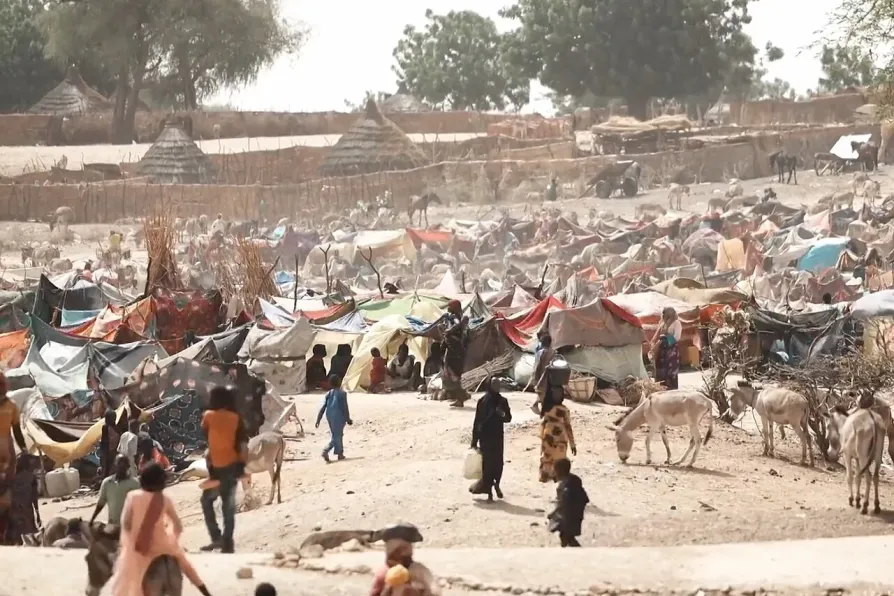
The spectre of ethnic cleansing looms over hundreds of thousands trapped without food, water, or medicines in the North Darfur state’s besieged capital, El Fasher, writes PAVAN KULKARNI
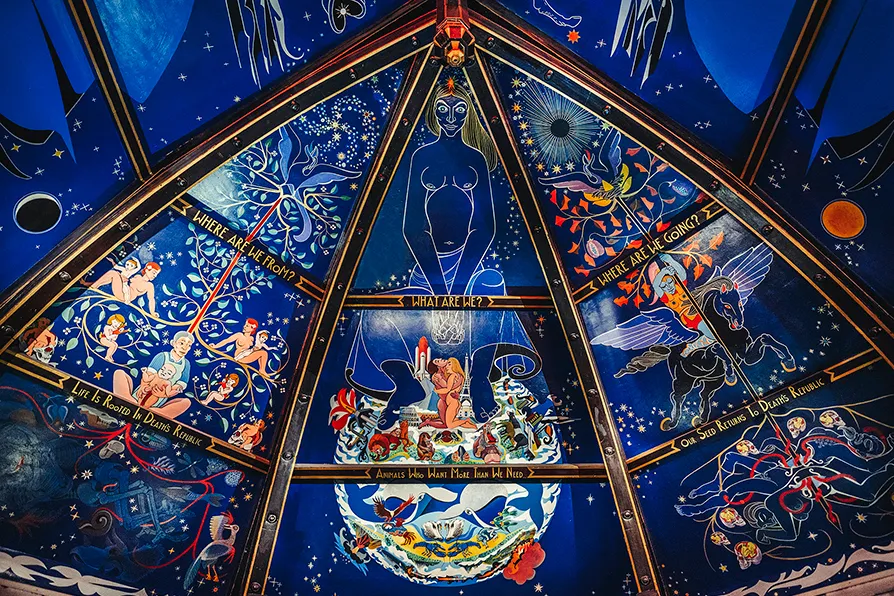
BLANE SAVAGE recommends the display of nine previously unseen works by the Glaswegian artist, novelist and playwright