Councillor SAM WHEELER says there’s a tangible shift in mood on the left in the city whose mayor has recently become PM — but there’s no room for complacency



The 25th anniversary of the Good Friday Agreement
Far from being an unchallengeably successful pact, the experience of the GFA has been one of the consolidation of imperialist control and influence, writes JIMMY CORCORAN
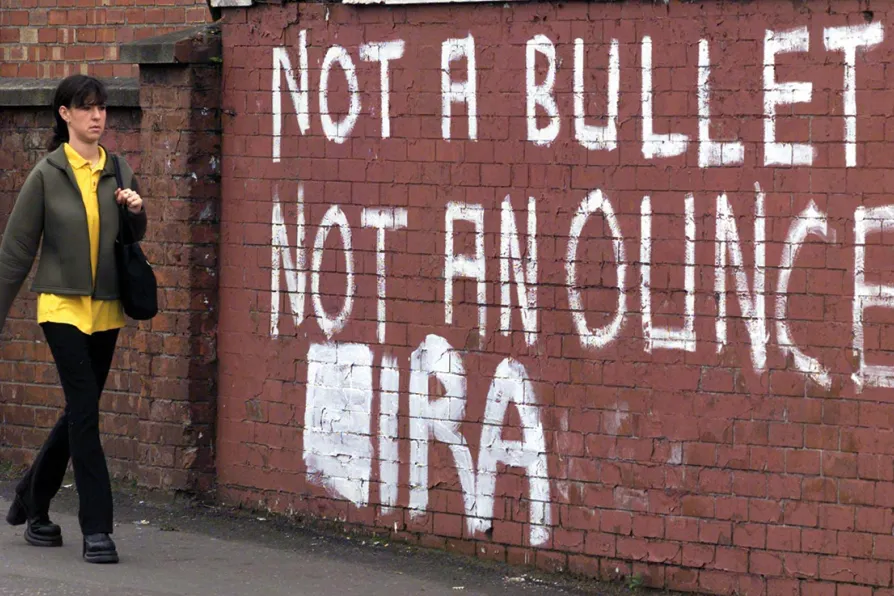
 TENSE: IRA letters painted below existing graffiti in republican West
Belfast. The writing refers to a ongoing decommissioning row in the
run-up to the Good Friday Agreement, 1999
TENSE: IRA letters painted below existing graffiti in republican West
Belfast. The writing refers to a ongoing decommissioning row in the
run-up to the Good Friday Agreement, 1999
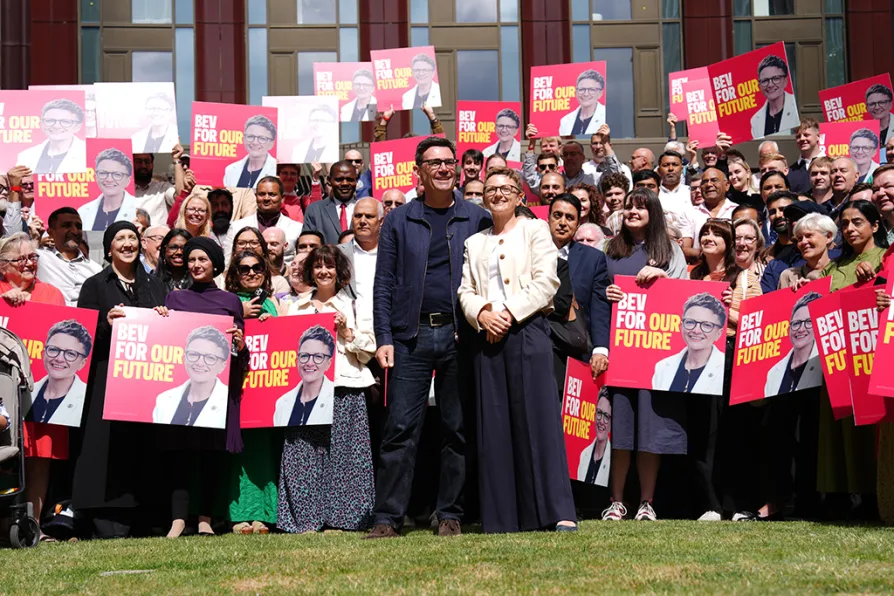
Communist Party leaders Alex Gordon and Lorraine Douglas deliver vital medicines in trip to besieged socialist island
TUC Cymru is playing a leading role in tackling far-right ideas in the workplace, says LAURA DOEL
A New Delhi press conference in which Sheikh Hasina and her son implied the new order in Bangladesh is a security threat to India has sparked fears she is planning a comeback. SIAM SAROWER JAMIL reports on the fallout
Two months of student unrest have forced out India’s education minister and rattled the BJP regime. Could this be the beginning of the end for Modi, asks Communist Party of India (Marxist) general secretary MA BABY
MAT COWARD says the heatwave is a testing time for gardeners — but he has some tips





THE Belfast/Good Friday Agreement (GFA), signed a quarter of a century ago in April 1998, was promoted then and is being celebrated now as a peace agreement to end the 30-year armed conflict between Irish republicans and the British state assisted by its local militia allies within unionism.
Prepare to hear the usual empty political rhetoric as an ageing generation of “international peacemakers” (Blair, Clinton, Ahern et al) return to the world stage this month, with a new generation of acolytes, for a glitzy showbiz encore focusing on the success of the imperialist alliance of the US, Britain and the EU in “solving the Irish problem.”
The GFA is predicated on the fallacious denial of the role of British imperialism in Ireland, ie, that it is an “honest broker” keeping the peace between Catholics and Protestants, while ignoring the fact that these divisions were fostered by British imperialism to safeguard its position in Ireland.

Similar stories
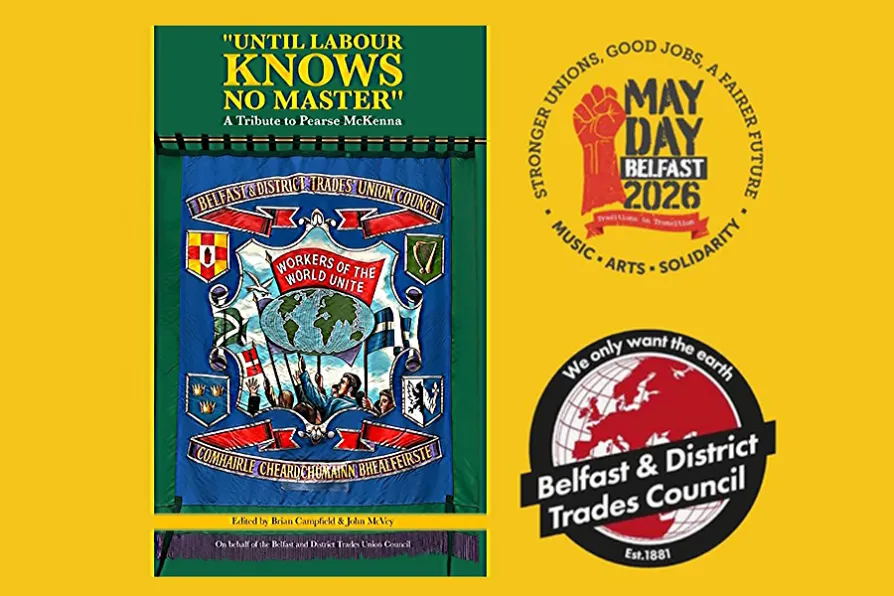
FRANCIS DEVINE introduces a new collection of essays that draws on Pease McKenna’s example to indicate future paths for the movement
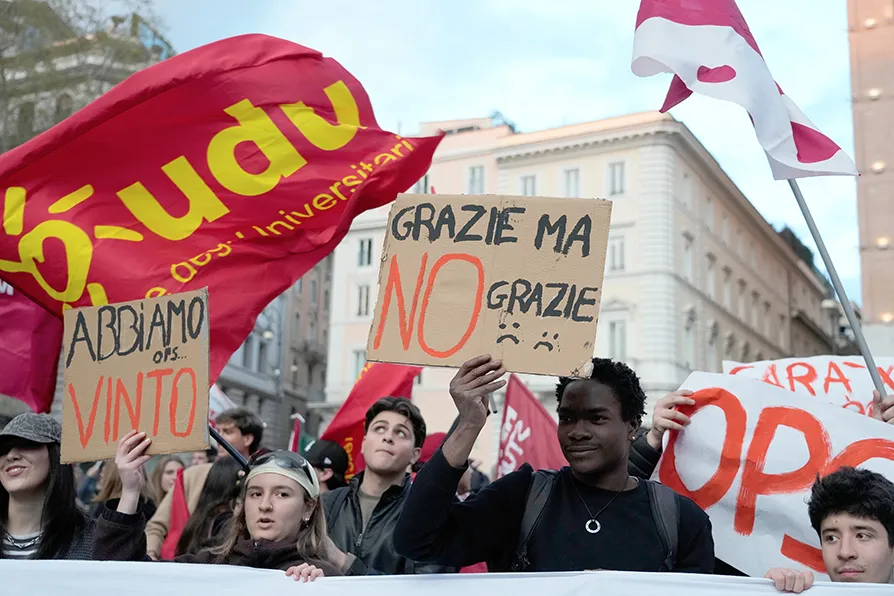
Italians reject controversial judiciary reforms in a referendum that boosts the left, reports NICK WRIGHT
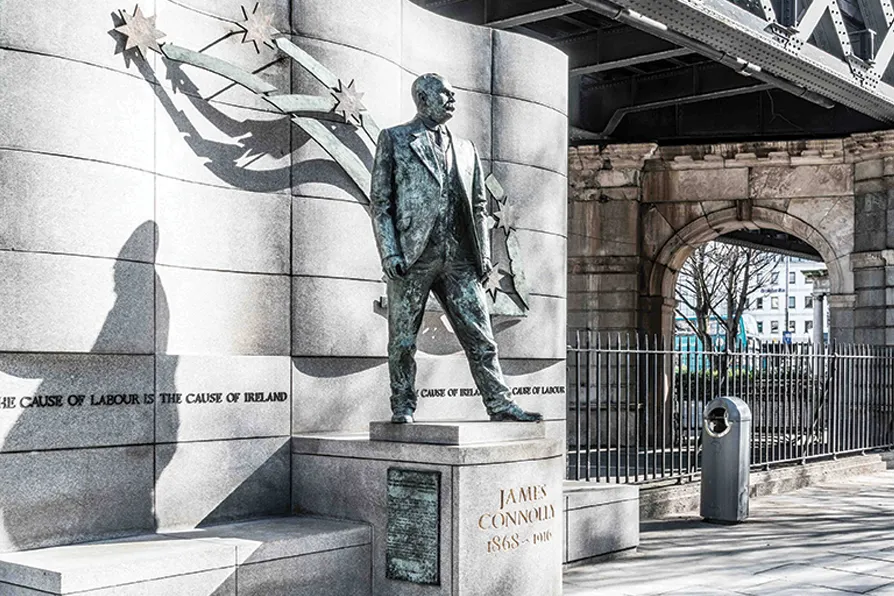
A new group within the NEU is preparing the labour movement for a conversation on Irish unity by arguing that true liberation must be rooted in working-class solidarity and anti-sectarianism, writes ROBERT POOLE
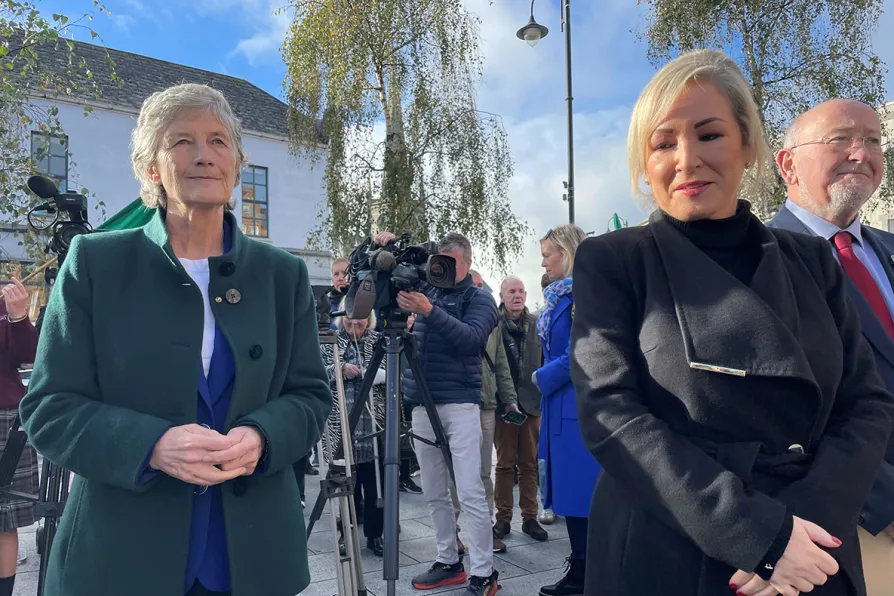
The independent TD’s campaign has put important issues like Irish reunification and military neutrality at the heart of the political conversation, argues SEAN MacBRADAIGH