ROB WARZYNIAK recalls the emblematic 1906 book, The Jungle, in its analysis of the crisis presently engulfing the US Food and Drug Administration


 Latest editorial

'Every weapons delivery is a licence to kill' - an interview with Egon Krenz
Ben Chacko speaks to East Germany's last leader about a world dividing again into armed camps
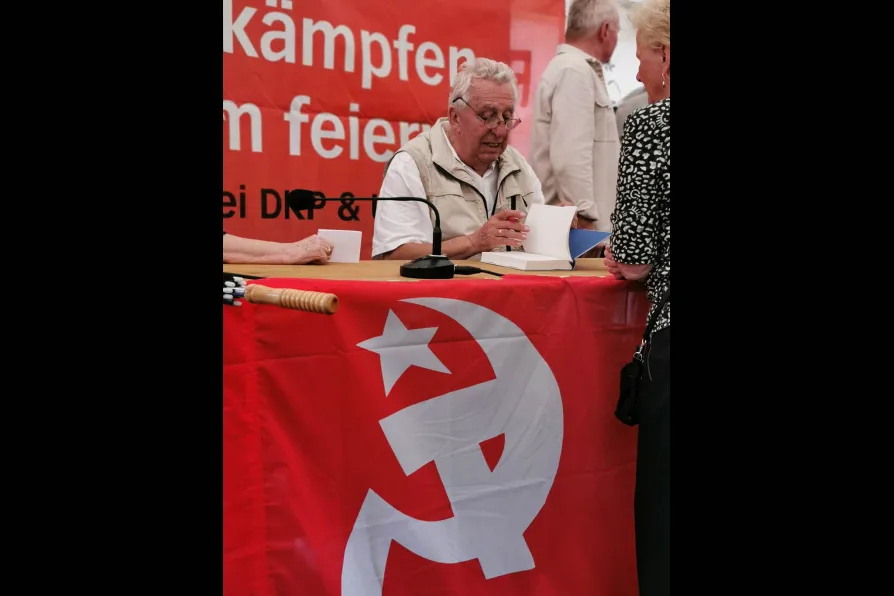 Egon Krenz at the UZ Pressfest last weekend

Welsh wanderings showcase fiery destruction, alternative water ways and revive memories of a local mining legend, writes MARK SEDDON
As thousands die in the eastern DRC, a global health emergency is being starved of funds, says S KRISHNASWAMY
MAT COWARD explains how in the 17th century a row over whether to kneel at communion became a battle over religion, class and royal power
Renewed illusions in social democratic reformism are sprouting as a result of Andy Burnham’s rhetoric, but material conditions are already intruding into the debate, argues NICK WRIGHT
Andy Burnham could learn a few lessons from a previous Labour government in the pre-privatisation era on how to tackle water shortages, writes KEITH FLETT





THE death of Mikhail Gorbachev this week brought discussion of the collapse of Soviet socialism back to the fore — especially as the neoliberal world order it ushered in is crumbling around us.
Just a couple of days before the last leader of the Communist Party of the Soviet Union’s death I was sat with the last leader of East Germany’s ruling Socialist Unity Party (SED), Egon Krenz, a speaker at one of the multiple political talks and rallies that with music, food and drink make up the Unsere Zeit press festival.
Krenz led the German Democratic Republic for a mere six weeks in late 1989 and, unlike Gorbachev, can take neither blame nor credit for the fall of the Berlin Wall: “It was too late for me to do anything.”

Similar stories

The Berlin border closure 65 years ago did not happen in isolation, and many Western accounts omit crucial context, explains KEITH BARLOW
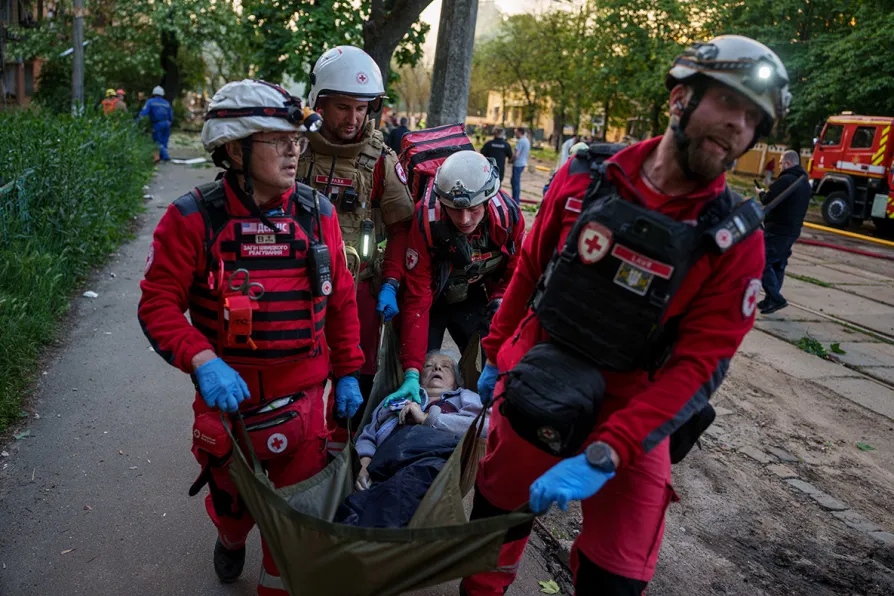
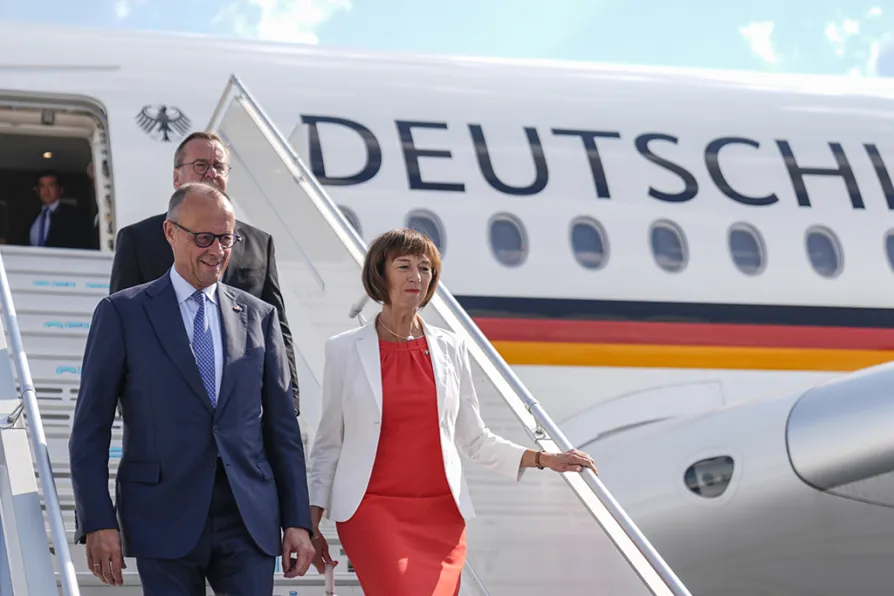
SEVIM DAGDELEN says European Nato states are escalating ever closer to direct conflict with a nuclear power, and sacrificing welfare states built up over a century to finance it
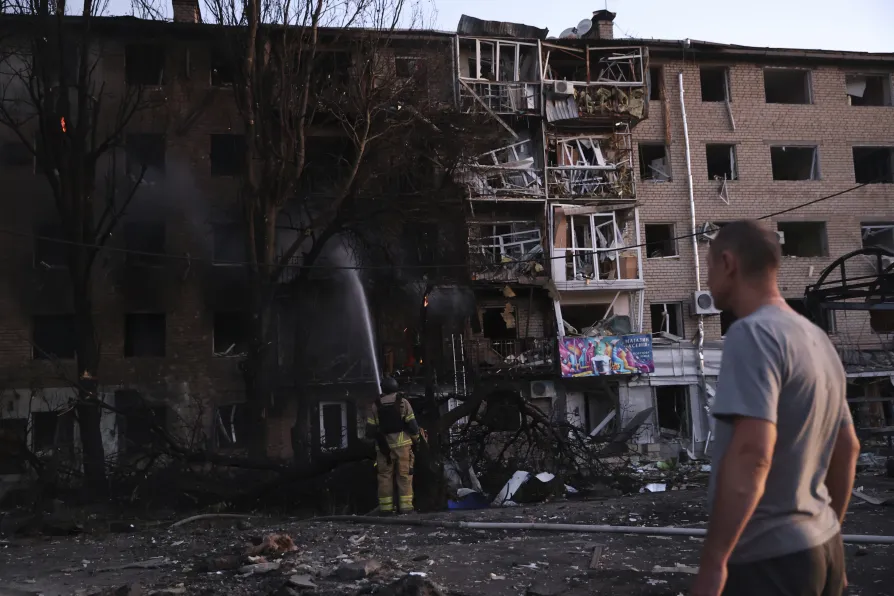
While 69 per cent of Ukrainians want negotiated peace, Western leaders are cynically prolonging the war for their own strategic and economic goals, to the immense detriment of Ukraine and Europe, write BOB ORAM and MAGGIE SIMPSON