

 Latest editorial
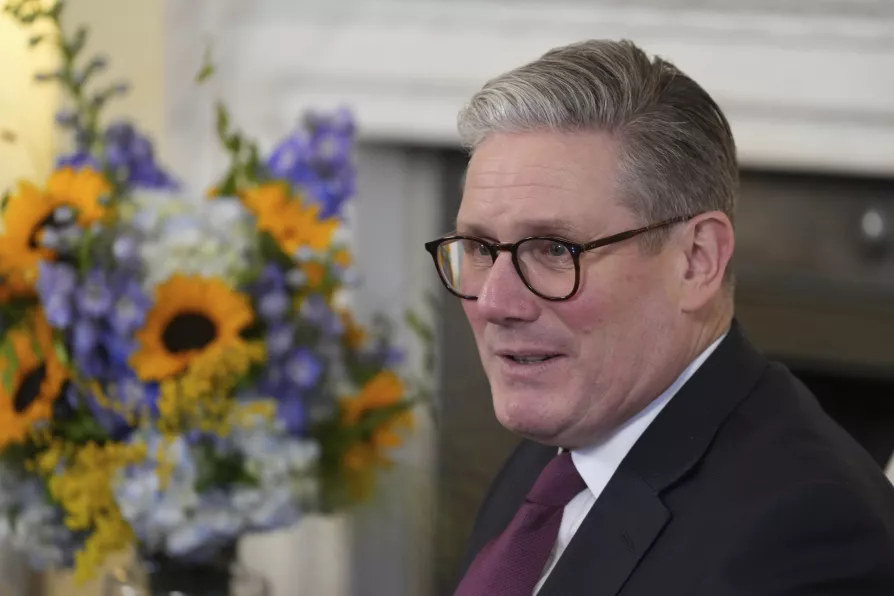 Britain's Prime Minster Keir Starmer speaks to guests as he holds a reception on the third anniversary of Russia's invasion of Ukraine in London, February 24, 2025






GUNS have seldom been put before butter as brutally as Keir Starmer did today.
The Prime Minister told MPs that Britian is to embark on a massive increase in military spending to be entirely funded at the expense of the world’s poorest.
The arms budget is to rise to 2.5 per cent of gross domestic product (GDP) within two years, an increase of more than £13 billion a year from the present figure of 2.3 per cent, remaining at that level until the end of this parliament.
Thereafter Labour will aim to spend a full 3 per cent of GDP on war in the next parliament, a further rise of more than £30bn a year.
The first tranche of these astonishing increases is to be paid for through a cut in the overseas aid budget from 0.5 per cent to 0.3 per cent of GDP. This despite a notional government commitment to hit the legally enshrined target of 0.7 per cent.
Thus are the priorities of British imperialism exposed. Spend more on killing the poor in aggressive wars while spending still less on alleviating poverty.
Undoubtedly the aid budget was picked as a soft target, one that Starmer hopes will meet with the approval of the Reform-inclined voters he is desperate to assuage.
But it would be an illusion to imagine that the pain will be confined to the poorest overseas. Already Tory leader Kemi Badenoch is flagging up the welfare budget as another target to be cut to fund more weaponry.
It is impossible to see the 3 per cent target being hit without further cuts to public services.
Starmer had the gall to claim that the British people had been enjoying a post-cold war “peace dividend” which was now over.
In fact, the people have been enduring unending austerity, the collapse of the NHS, the bankruptcy of local authorities, stagnant wages and a massive housing shortage. Whatever peace dividend has been handed out, it has not reached working people.
And what is this new surge in military spending for? Starmer had no answer to offer beyond reciting rote phrases about Russia’s war in Ukraine.
But that has been in full swing for three years now. Moreover, Russia’s military has yet to prevail on the battlefield and is in absolutely no condition to march westwards, even if that was the intention of President Vladimir Putin, itself an unevidenced proposition.
If there is a “Russian threat” it comes from its arsenal of nuclear weapons, a factor which would not be diminished by any conceivable rate of British military spending.
This spending is mandated by President Donald Trump’s indication that the US may stop covering Europe’s bills.
Starmer wants to fill that gap, while maintaining Britain’s own vastly expensive nuclear weapons programme and continuing to posture as a global military power with initiatives like the Aukus pact in the Pacific.
And we know from recent history how a pumped-up British military will be used. Yugoslavia. Iraq. Afghanistan. Libya. The grim roll-call speaks for itself — a rotten record of imperialist intervention and aggression.
The Prime Minister will try to sweeten the pill for the labour movement by talking up the jobs that such military spending might generate. Trade unions should not fall for it.
For one thing, Trump will insist much of the extra cash is spent in the US, on which Britain is in any case militarily dependent. And how much better could £13bn a year be spent on green industrial renewal, among other things.
Unions and socialists should reject this Labour dystopia and demand a policy of peace through security for all.

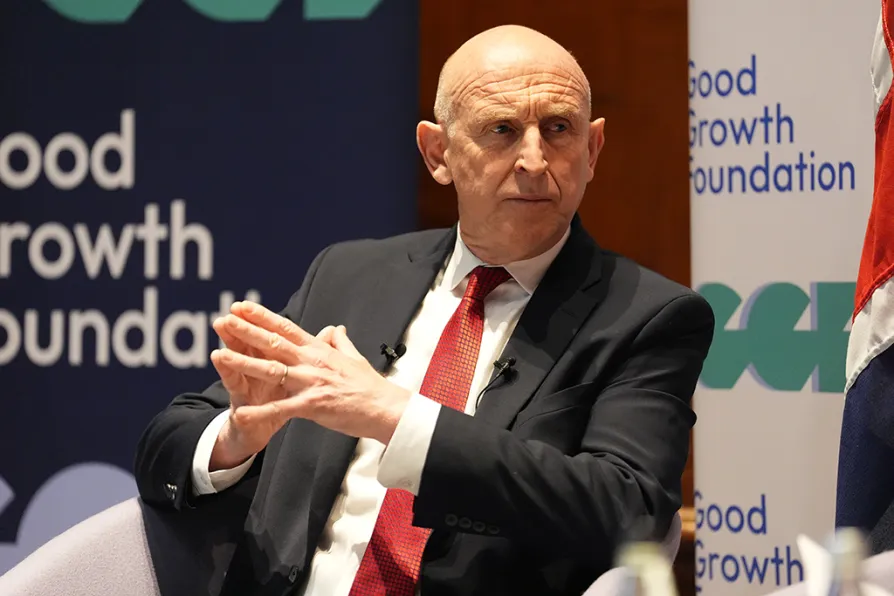
The defence secretary’s resignation reveals not a split over principle but a dispute over pace of military spending, as Britain’s political Establishment unites behind deeper Nato commitments, argues NICK WRIGHT

British military spending is among the highest in the world, diverts scarce resources from far better causes and fuels international conflict. It’s time we made different choices, argues LIZ PAYNE
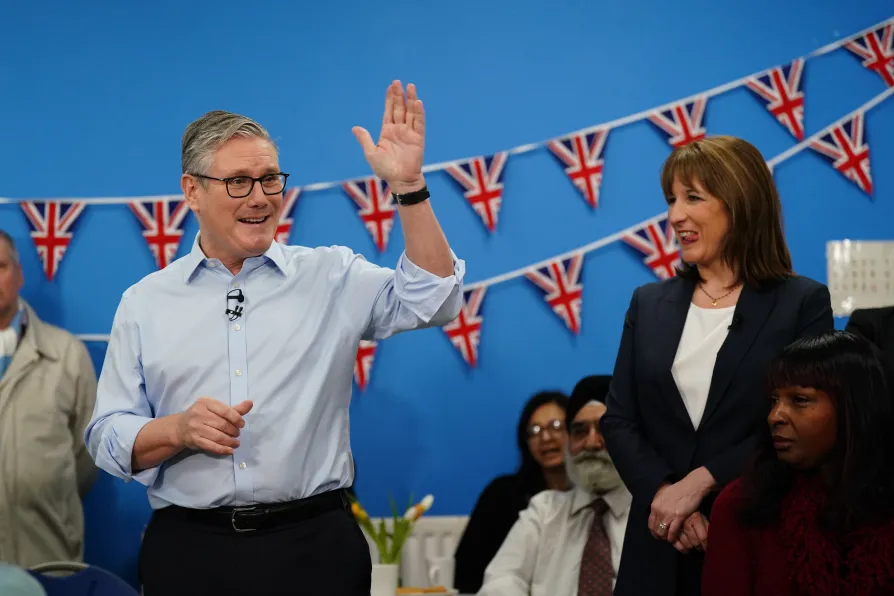
The 2025 Budget shores up the PM’s political position with headline-grabbing welfare U-turns, but with no improvements on offer to declining public services or living standards, writes MICHAEL BURKE
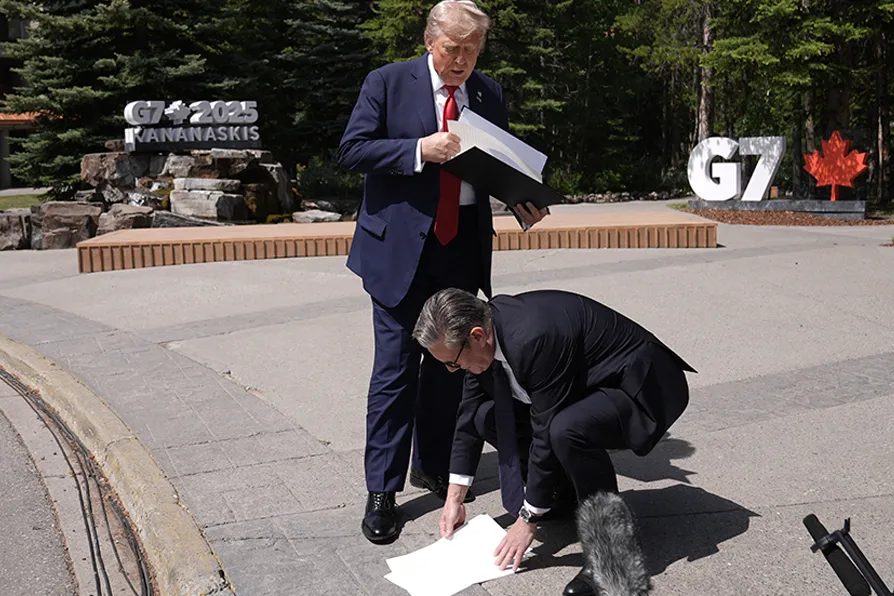
Under current policy, welfare cuts are just a small downpayment on future austerity, argues MICHAEL BURKE