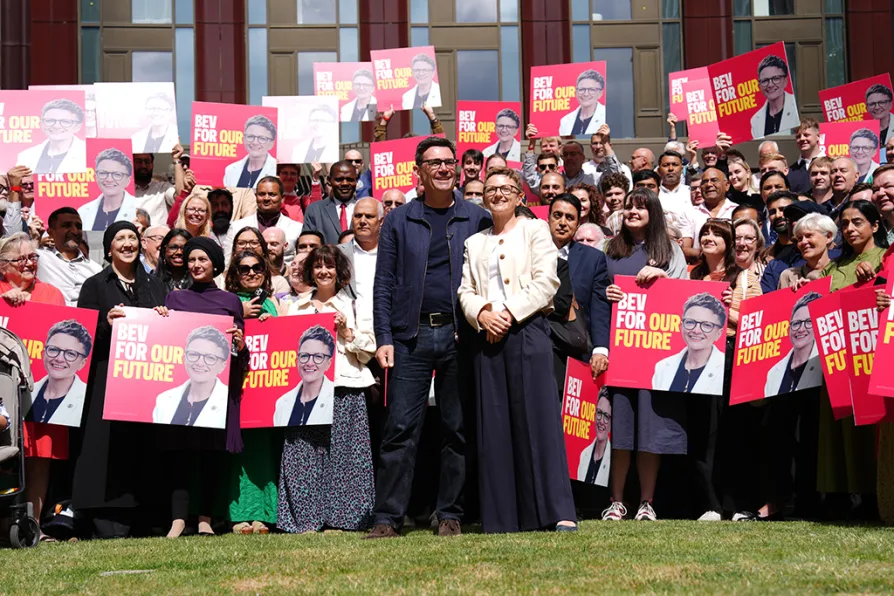
Councillor SAM WHEELER says there’s a tangible shift in mood on the left in the city whose mayor has recently become PM — but there’s no room for complacency



Big bird
With avian flu devastating our bird populations both wild and commercial, PETER FROST looks at feathered friends large and small
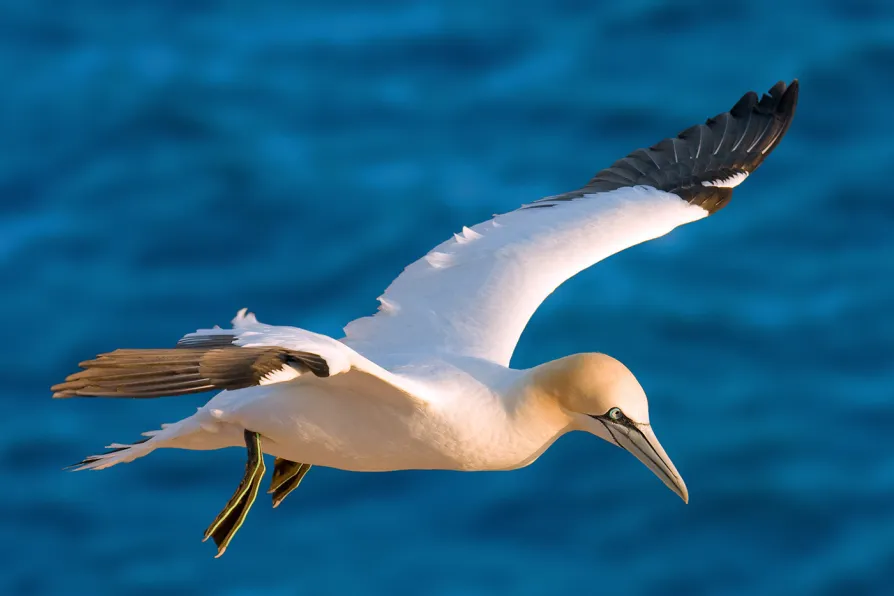
 A gannet in flight
[Andreas Trepte/Creative Commons]
A gannet in flight
[Andreas Trepte/Creative Commons]
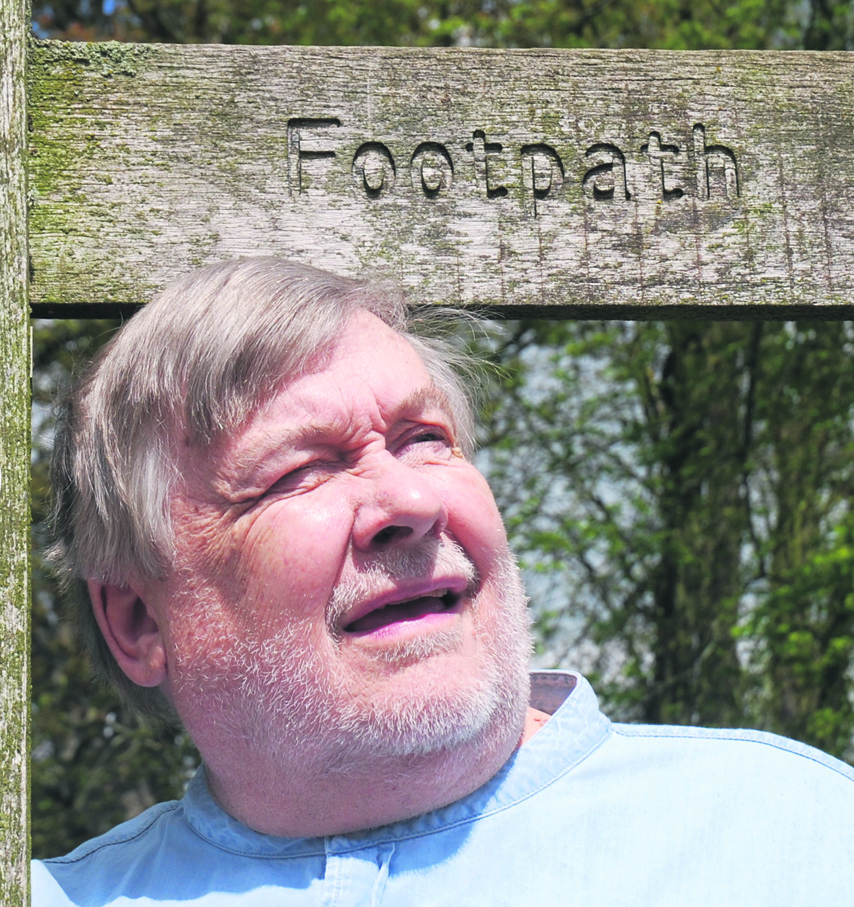
Communist Party leaders Alex Gordon and Lorraine Douglas deliver vital medicines in trip to besieged socialist island
TUC Cymru is playing a leading role in tackling far-right ideas in the workplace, says LAURA DOEL
A New Delhi press conference in which Sheikh Hasina and her son implied the new order in Bangladesh is a security threat to India has sparked fears she is planning a comeback. SIAM SAROWER JAMIL reports on the fallout
Two months of student unrest have forced out India’s education minister and rattled the BJP regime. Could this be the beginning of the end for Modi, asks Communist Party of India (Marxist) general secretary MA BABY
MAT COWARD says the heatwave is a testing time for gardeners — but he has some tips





I’VE JUST spent a few days on the Norfolk/Suffolk border, a part of the country absolutely stuffed with egg, chicken, duck, goose — and at this time of year turkey production units.
Poultry is a long-established industry hereabouts. A century or more ago huge flocks of turkeys, geese and ducks would have their feet dipped in hot tar to make protective footwear for the over 100-mile walk to Leadenhall market in London. It was a hazardous journey. Today’s hazards seem even worse.
Everywhere we walked or drove we came across warning signs telling us to keep clear, to keep out and not to touch any birds dead or alive, wild or captive.

Similar stories
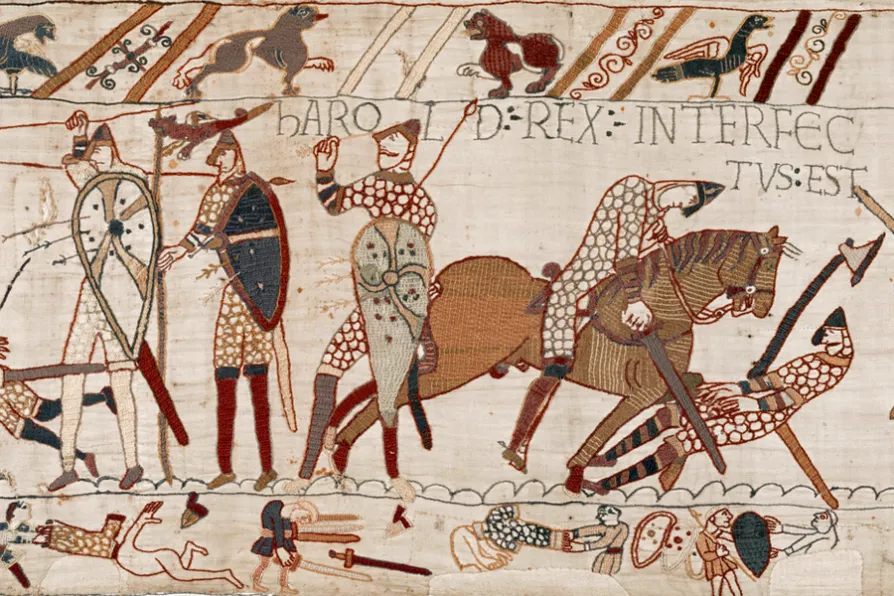
STEPHANIE BROWN draws attention to the hidden labour of the female embroiderers, and how a 19th century replica made no such error
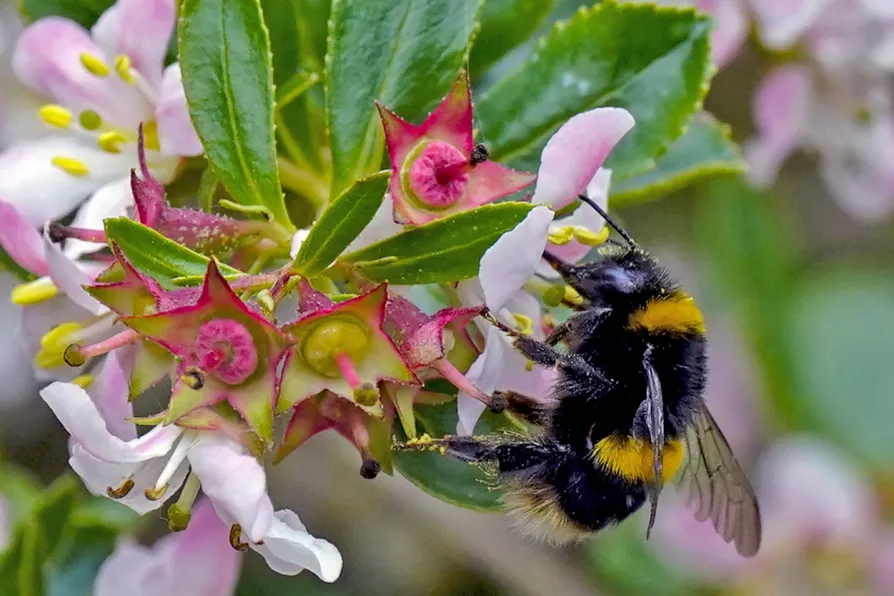
Rising temperatures and human activity are making life far harder for these vital pollinators. ALEX DITTRICH explains
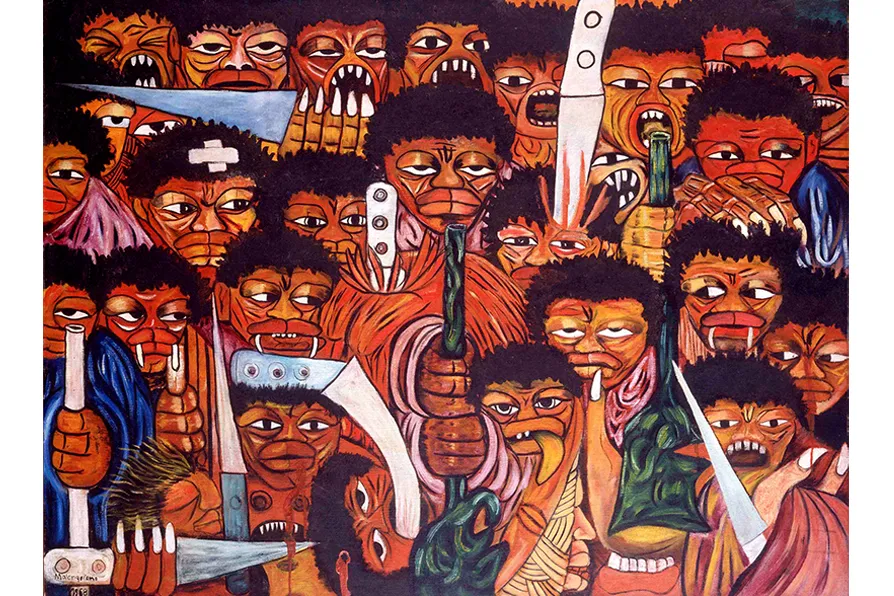
JOHN GREEN welcomes a remarkable study of Mozambique’s most renowned contemporary artist
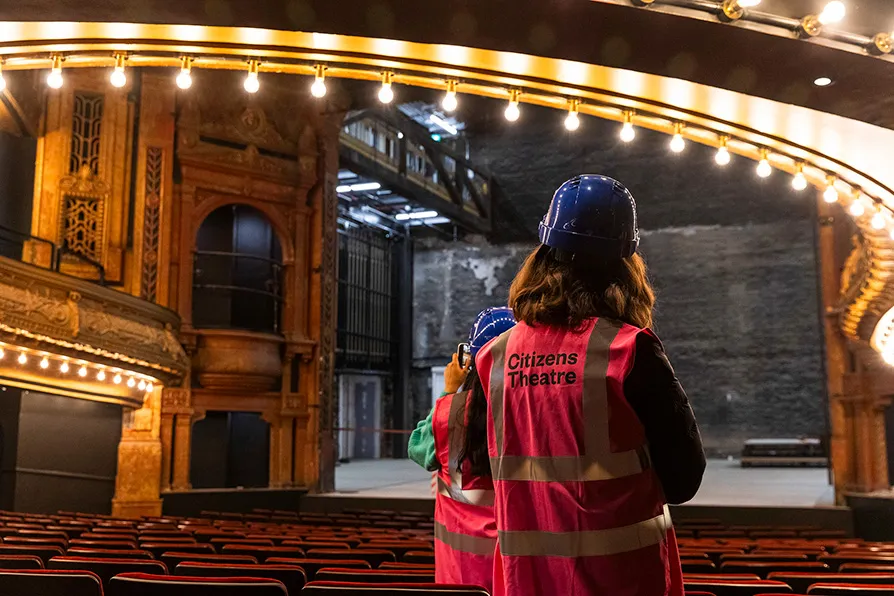
ANDREW FILMER welcomes the reopening of Glasgow’s landmark theatre after a seven-year transformation