CLAUDIA WEBBE speaks out against the lethal mechanics of Britain’s culture-war press


 Latest editorial

A rejuvenated green movement is needed now more than ever
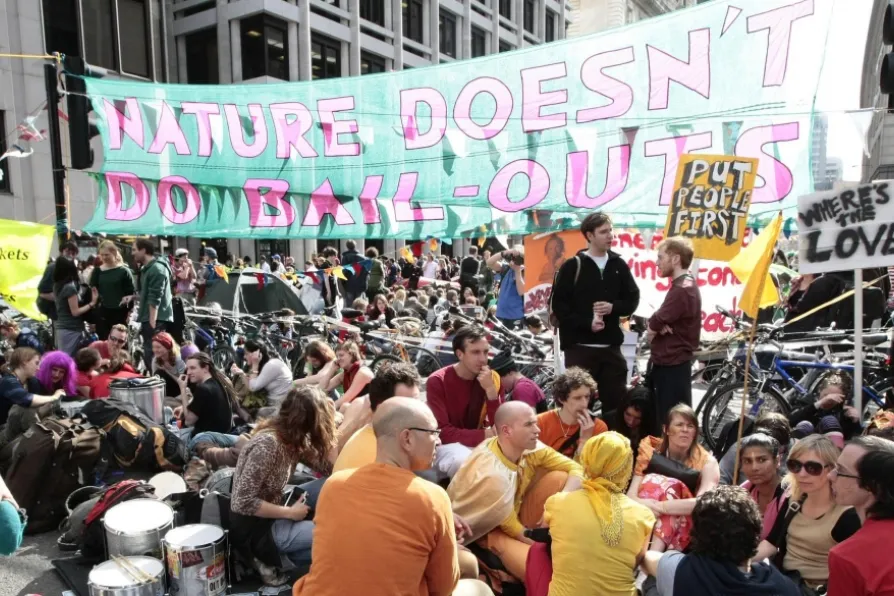 Protesters stage a climate camp outside the European Climate Exchange in Bishopsgate, London, in 2009
Powerful agribusiness interests are trying to overturn efforts by the Lula government to protect the environment and indigenous peoples of the Amazon region, writes GABRIELA SA PESSOA
Trade unions and community groups are mobilising to push back against Trump’s racist raids after new revelations of spying on legal protesters. MARK GRUENBERG reports from the US state of Minnesota
The best wildfire service may begin with the community, argues KOMAL RAJ ARYAL
The evolution of the Scottish nationalist leadership into cheerleaders for Nato has led the party to betray its pledges on Palestine and social spending, writes COLL McCAIL
While riding the No 3 bus in Glasgow MATT KERR has ample time to dissect the moribund Scottish Labour decline into near oblivion and watch intriguing bus passenger dynamics





LOOKING back from today, we can now see the mid to late-2000s marked a high point in activism, media interest and government action regarding climate change in Britain.
Increasingly large and prominent Climate Camps, drawing attention to climate endangering infrastructure, were organised every year between 2006 and 2010.
The direct group Plane Stupid occupied runways and the roof of Parliament to highlight the danger of airport expansion and Climate Rush, inspired by the suffragettes’ campaign for the women’s vote, carried out media-friendly actions, including a picnic at Heathrow departures and dumping a pile of horse manure on Jeremy Clarkson’s driveway.

Similar stories
![Ontario Premier Doug Ford speaks in front of a live map of smoke movement during a press conference updating media on ongoing forest fires in Ontario, in Toronto [Pic: Cole Burston/The Canadian Press via AP]](https://msd11.gn.apc.org/sites/default/files/styles/desktop/public/2026-07/8canadafire.jpg.webp?itok=9a8C3kap)
As Ontario burns, campaigners are demanding action – not more pipelines, says DAVE McKEE
Established as a landmark victory for the climate movement, the CCC promised to hold governments to account. Today, it is understating the danger of climate chaos and impeding the radical action needed, says IAN SINCLAIR
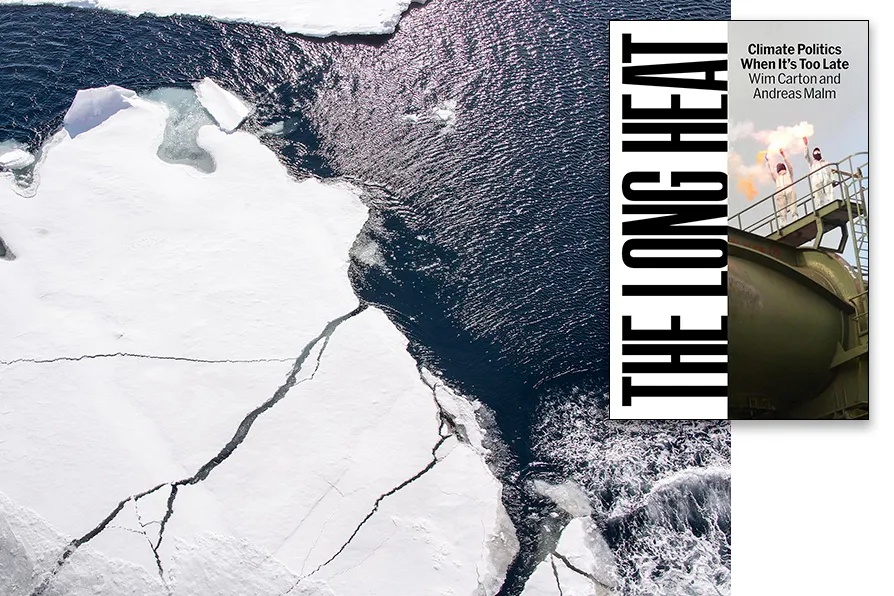
IAN SINCLAIR recommends an important and timely book for climate politics right now and in the future

Reaching co-operation is supposed to be the beginning, not the end, of global climate governance, argues LISA VANHALA