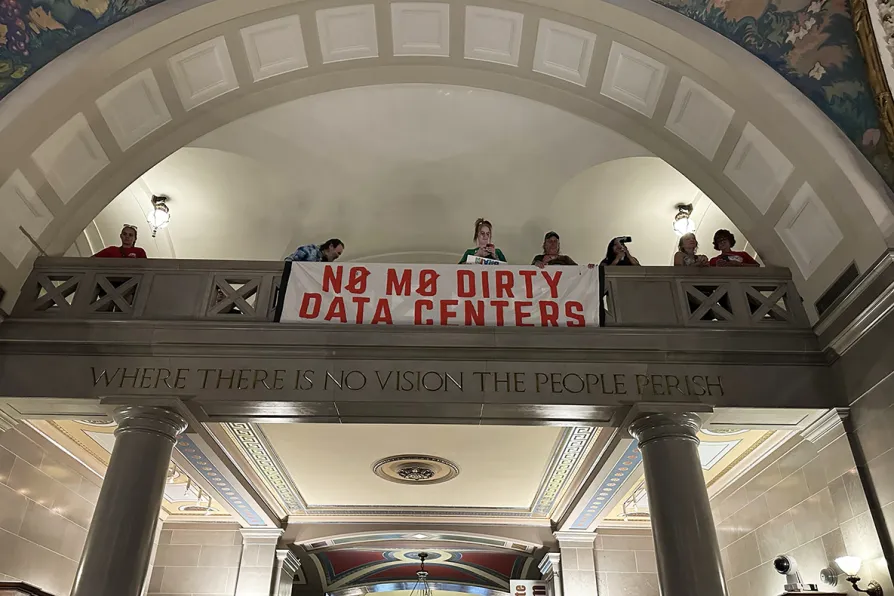
The US administration is endangering lives by reversing environmental protection laws, CHAUNCEY K ROBINSON argues

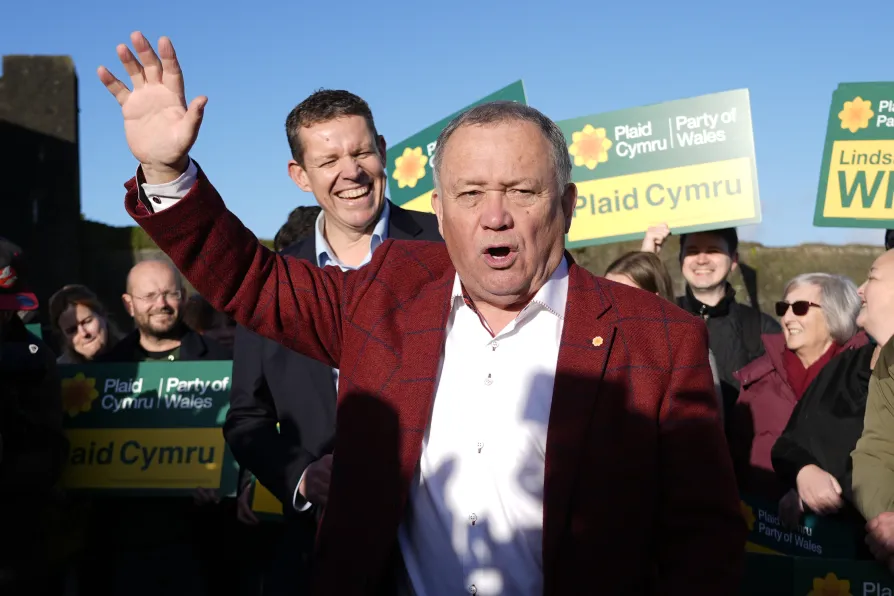
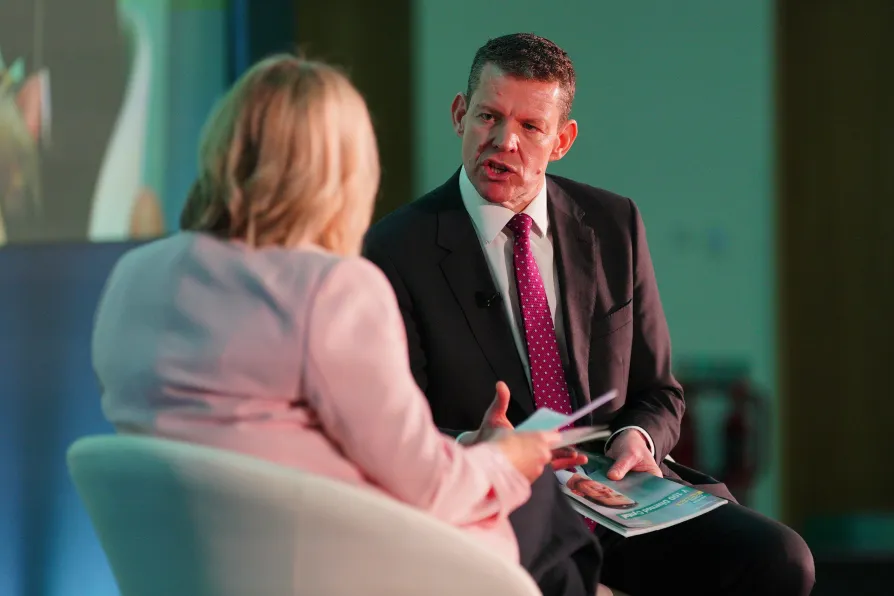
Plaid Cymru works with workers and their unions, not around them
LUKE FLETCHER outlines Plaid Cymru bold plans for wide-ranging policy consultations with trade unions in Wales
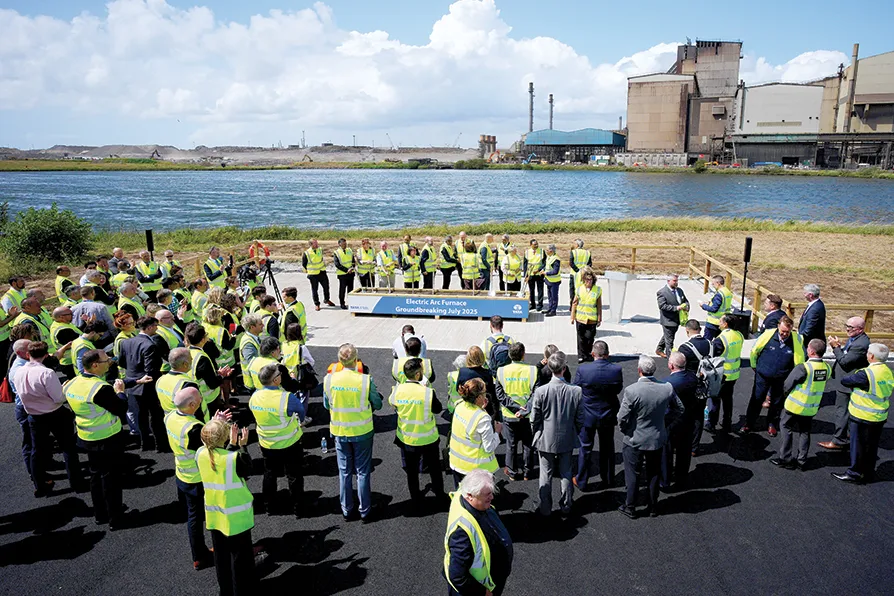
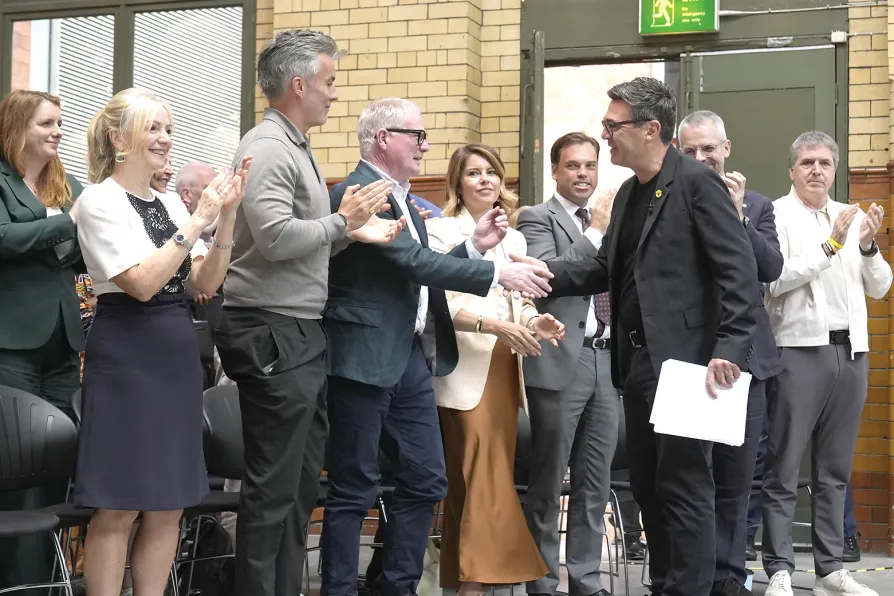
 NATIONALISATION CALL UNHEEDED: Assorted notables at the location of the new Electric Arc Furnace (EAF) on Monday July 14 2025 - Tata Steel gets £500 million while the local population is saddled with a loss of 2,800 jobs
It’s time to stop retreating and go on the offensive to promote working-class interests, argues DOUG NICHOLLS
Marco Rubio wants to defeat socialism in Nicaragua, not restore ‘democracy,’ writes JOHN PERRY
Believe it or not, there was a time when the US government built beautiful homes for working‑class Americans to deal with a housing shortage, writes ERAN BEN-JOSEPH
DIANE ABBOTT provides an analysis of the reasons for EU and British voters’ dramatic swing to the right
Train drivers’ union Aslef general secretary DAVE CALFE speaks to Ben Chacko about his hopes that Burnham’s devolution agenda will include the importance of the railway





MANY will remember the strike waves of 2023. Across Britain, hundreds of thousands of workers took co-ordinated industrial action on a scale not seen for decades.
Teachers, nurses, ambulance staff, civil servants, rail workers, university staff and private-sector workers voted to strike, often with overwhelming majorities despite restrictive ballot thresholds designed to make industrial action harder.
Pay was at the heart of these disputes, but workers were equally clear about the deeper causes: deteriorating working conditions, chronic understaffing and a determination to defend the services they provide to the public.
This wave of action followed years of wage stagnation, soaring inflation and a cost-of-living crisis that pushed even working households to the brink.
Food inflation reached levels not seen in nearly half a century, while energy costs surged dramatically.
Public-sector workers, in particular, had endured real-terms pay cuts for years, compounded by austerity and underinvestment in essential services like the NHS.
Plaid Cymru was out on the picket lines with those workers. We stood with health workers, educators, transport staff and others because their fight was about pay, it was about dignity at work, as well as the sustainability of public services.
That experience reinforced something fundamental: governments cannot deliver successful policy without the insight and partnership of the trade union movement. Workers understand the reality of industries and public services in ways that policymakers alone never can.
It is precisely this understanding that has shaped how Plaid Cymru approaches its relationship with the trade union movement.
This belief underpins the ongoing engagement between Plaid Cymru and TUC Cymru, alongside our wider relationships with unions through our elected members and our trade union network, Undeb.
We recently strengthened that relationship further by signing a Memorandum of Understanding with TUC Cymru, establishing a clearer framework for dialogue, collaboration and policy engagement in the period leading up to the 2026 Senedd elections.
The agreement reflects our shared commitment to fair work and ensuring that workers’ voices are embedded in policymaking from the outset.
That engagement is already delivering meaningful conversations. We have had particularly fruitful discussions around the role of trade unions in commissioning and delivering work-based learning, recognising the unique expertise unions bring in supporting skills development, lifelong learning and workforce progression.
The importance of open and honest channels for dialogue becomes even clearer when Wales faces economic uncertainty and industrial crisis – when it comes time to actually do something about the issues breathing down our necks.
When the crisis at Tata Steel threatened thousands of jobs and the economic future of communities in south Wales, Plaid Cymru engaged directly with the trade unions representing steelworkers. Those discussions informed our calls for urgent intervention, long-term industrial strategy and, ultimately, nationalisation to secure the future of Welsh steelmaking.
Trade unions were far from peripheral voices. They were central to understanding the stakes and developing credible responses.
Collaboration with trade unions is also about safety and protecting workers from harm. Nowhere is that clearer than in the ongoing campaign to safeguard firefighters’ health.
Firefighters regularly risk their lives to protect our communities, yet the dangers they face extend far beyond the immediate hazards of fire. Exposure to toxic carcinogens released during fires significantly increases the risk of cancer and other serious illnesses.
Research commissioned by the Fire Brigades Union shows cancer rates among firefighters aged 35 to 39 can be more than three times higher than among the general population.
The World Health Organisation now classifies firefighting as a Group 1 occupational cancer risk – the highest category.
Despite this overwhelming evidence, Wales still does not have a comprehensive national programme of preventative health monitoring for firefighters. In countries such as the US, Canada, and Australia, routine screening and occupational protections are already in place. Here, progress has been far too slow.
This is an issue that I’ve repeatedly raised in the Senedd, pressing the government to introduce regular medical screening and monitoring programmes that could detect illnesses earlier and save lives.
Our engagement with the Fire Brigades Union has made clear that this is a developing occupational health crisis, and could become a widespread industrial health issue. The science is established. The risks are known. What is missing is political urgency.
Governments cannot claim to value emergency workers while failing to act on clear evidence about the dangers they face.
The lesson extends across policymaking. When governments work with trade unions, policies are stronger, more realistic and more effective.
Trade unions also play a vital role in defending democracy and equality. At our conference this weekend, unions including NEU Cymru and UCU Cymru, alongside TUC Cymru, are joining Undeb to discuss how we confront the rise of the far right in Wales – demonstrating again that organised labour is central to economic justice and social cohesion.
For Plaid Cymru, the conclusion is clear. Governments succeed when they work with workers, not around them. An economy must work for people, and that means empowering those who create its wealth.
From industrial crises like steel to workplace safety campaigns for firefighters, the trade union movement is essential to building a fairer Wales, and we are committed to strengthening that partnership in the years ahead.
Luke Fletcher is a Plaid Cymru member of the Senedd (MS) for the South Wales West region.

Similar stories
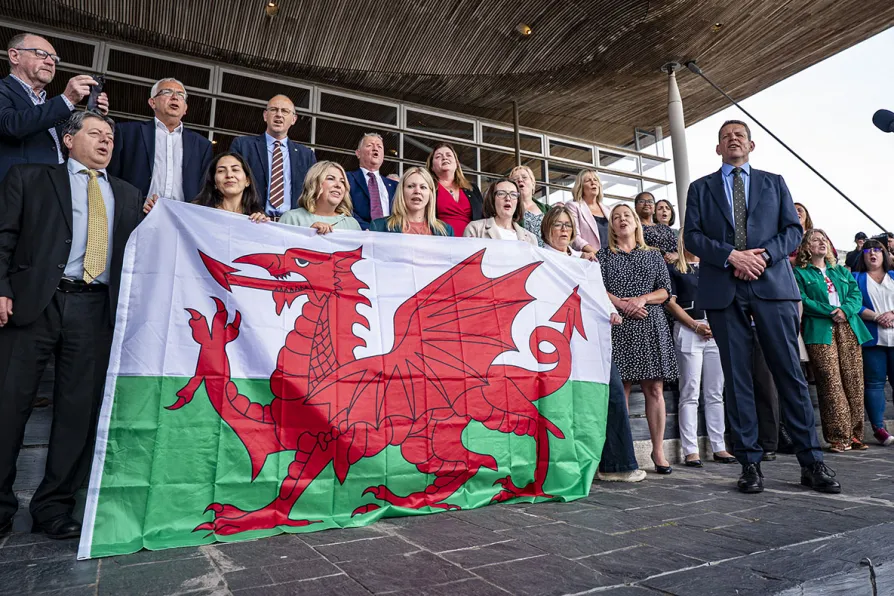
Wales reporter DAVID NICHOLSON looks at the political scene as budget rows take centre-stage and Welsh Labour gains a new leader