

 Latest editorial

PM tells MPs he want welfare cuts and backs Nato demands for soaring military spending
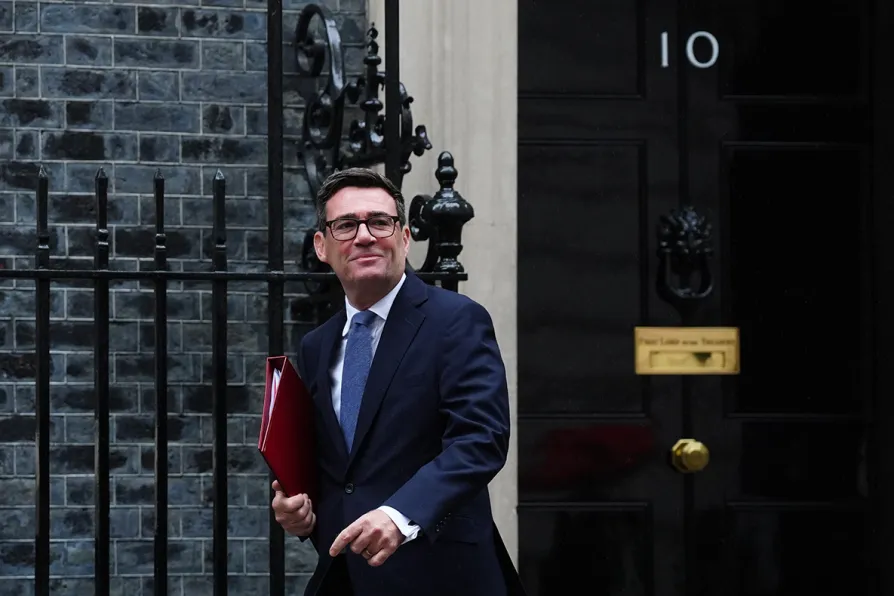 Prime Minister Andy Burnham departs 10 Downing Street, London, to attend his first Prime Minister's Questions at the Houses of Parliament, September 2, 2026
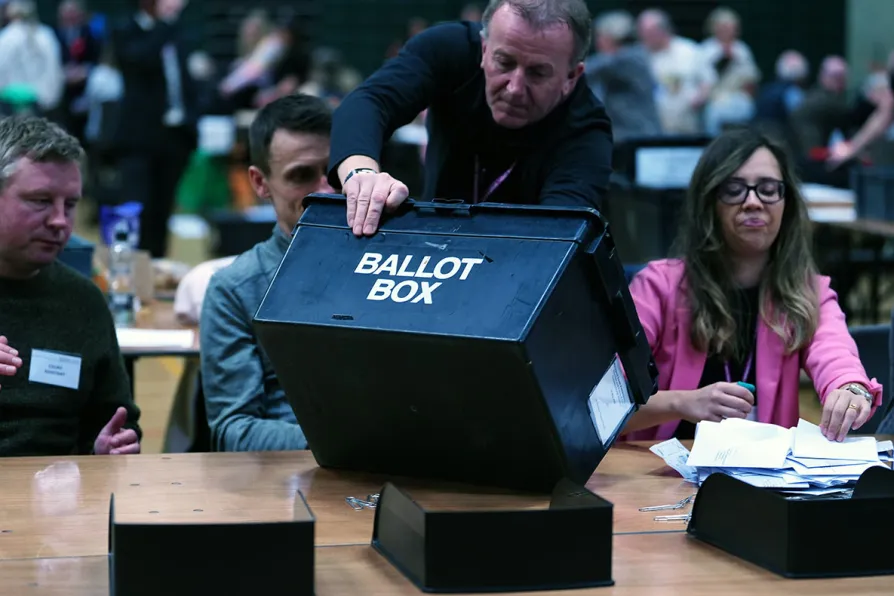





BOND markets piled pressure on Prime Minister Andy Burnham today as government borrowing costs rose ahead of his first Budget.
The City and big business are now mobilising to discipline the new government and keep it in line with Treasury economic orthodoxy.
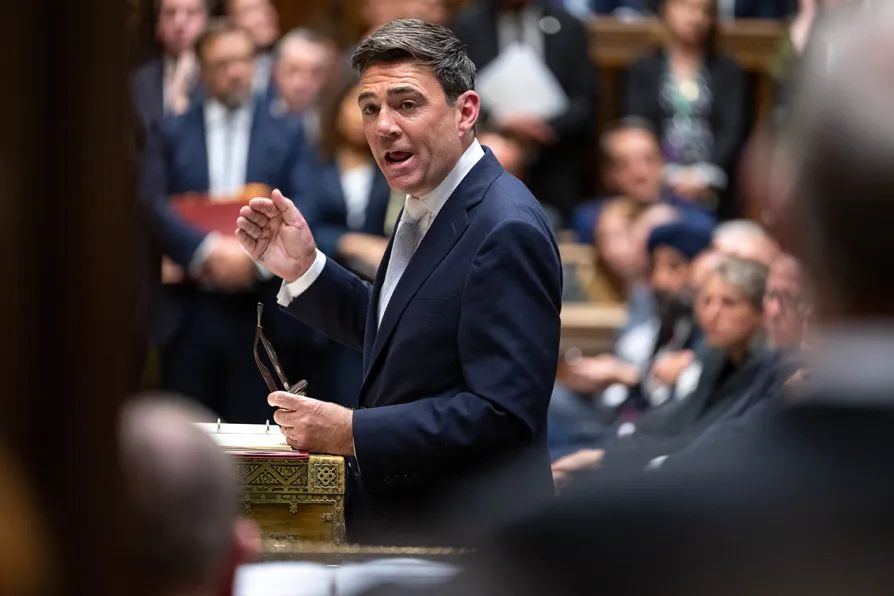
Mr Burnham bent before the storm at his first Prime Minister’s Questions (PMQs) today and again committed himself to abiding by the Treasury rules so beloved of his predecessor.
He also told MPs that he wanted to see cuts in the welfare budget, while backing Nato demands for soaring military spending.
Business leaders queued up to demand action to curb spending, in particular urging an end to the triple lock with protects pensioners’ living standards.
One of Mr Burnham’s own close advisers, former Goldman Sachs economist Jim O’Neill, led the charge, warning that the Prime Minister’s lengthy statement to MPs on Tuesday had raised concerns about his commitment to controlling spending.
Mr O’Neill told LBC radio that it had it had implied “a lot more government spending” which was “the last thing investors want to hear.”
Saying that the rise in interest rates on government debt invoked “Liz Truss days” he called for an end to the pensions triple lock and a “credible” plan to cut welfare spending.
Howard Davies, former chair of Natwest bank, also said the government should get rid of the triple lock.
“If a government does not grasp that nettle at some point, then I think its credibility is going to be on the rack,” he intoned.
Mr Burnham did not commit to that, but he did assure MPs that he wanted to cut welfare, specifically by getting more young people into jobs or training.
“I was quite clear in my statement about the need to get the welfare bill down.
“I do not want to be a prime minister that sees a situation where we have so many people in their twenties not in education, employment or training. I can’t defend that,” he said.
And responding to a Tory demand that he recite the hallowed fiscal rules and recommit to observing them, the Prime Minister responded: “No borrowing to fund day-to-day spending, debt falling as a percentage of GDP by the end of the parliament. And yes, we will.”
But he was more generous when it came to the military, firmly committing to spending 3.5 per cent of gross domestic product on arms by 2035 — a Trump demand — and, more ambiguously, to reaching 3 per cent by 2030.
This was the target which his predecessor Sir Keir Starmer failed to fully embrace, prompting the resignation of John Healey as defence secretary.
Mr Healey has now bounced back as chancellor, leaving him well placed to gratify the brass hats and arms manufacturers.
Few Labour MPs are taking a stand against the resurgent militarism. The most striking exception is Diane Abbott, who commented today: “The imminent threat from Russia is a Nato fiction to justify their complete capitulation to Trump’s demands for more military spending. The increase should not go ahead.”
Tory leader Kemi Badenoch echoed the City pressure, telling Mr Burnham that he was “a spendthrift Prime Minister who says ‘yes’ to everyone without saying where the money is coming from.”
However, Ms Badenoch has shot herself in the foot by naming as her new shadow chancellor Andrew Griffiths who, as a junior Treasury minister, had helped write the notorious Truss Budget of 2022 which crashed the markets.
Mr Burnham did not fail to draw attention to this incongruous appointment in the Commons.
He also scratched his Euro itch again, blaming Brexit for slow economic growth and reiterating his desire to cosy up to the European Union without actually rejoining.
“The decade of low growth has been partly a result of Brexit,” he said, adding that the sooner the Tories accepted that “the more we can start to face up to Britain’s future and where do we go from here.
“I do want a closer relationship. There are issues facing British farming right now and there are issues facing British Steel right now. And the ‘made in Europe’ agenda could pose significant problems for British Steel.”

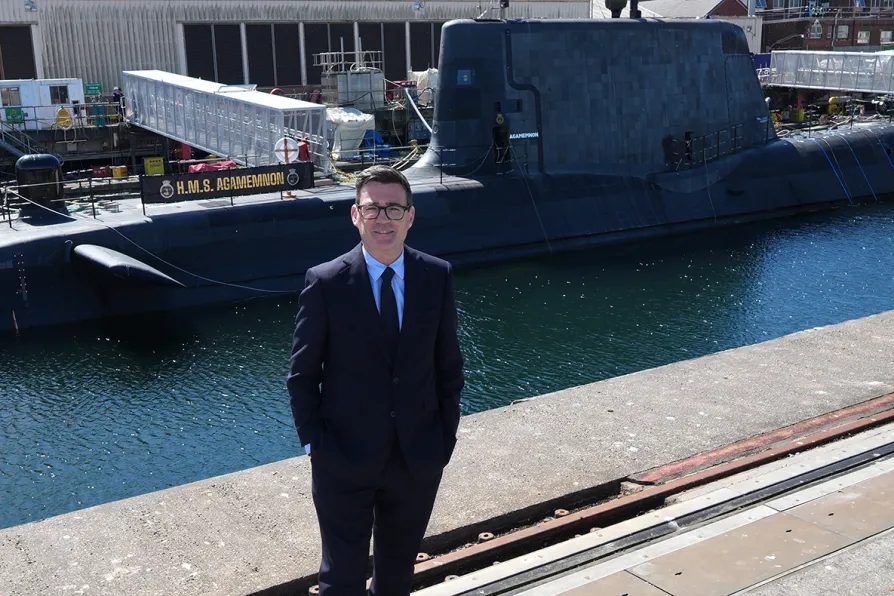
PM commits to blowing millions on nukes
New PM slashes fuel bills and culls Starmer deadwood, but peace activists warn that placing John Healey as new Chancellor shows ‘beyond doubt that the military industrial complex is in charge of Burnham’s economic policy’