Latest editorial

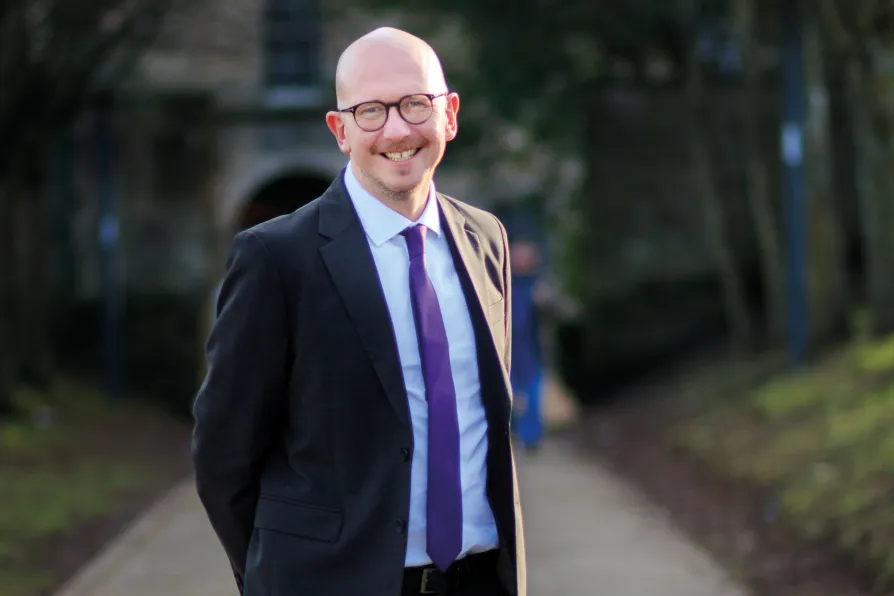 Brian Leishman





SCOTTISH Labour MP Brian Leishman has urged his party to “lay out the democratic route to having another referendum” on independence.
The Alloa and Grangemouth MP spoke out in a Westminster Hall debate just hours after the two MSPs vying for the Scottish Labour leadership appeared unable to deal with the issue — one that has dominated Holyrood politics for almost two decades.
Appearing on The Go Radio Politics show, veteran political journalist Bernard Ponsby challenged Joe Fagan and Michael Marra to outline how a second referendum on Scottish independence might be achieved after Prime Minister Andy Burnham ruled it off limits.
Mr Marra insisted the SNP had to “generate the settled will of the Scottish people,” but refused to be drawn on how he thought that might be measured.
Mr Fagan meanwhile warned there is “a danger we over-intellectualise the issue” and argued it would “just be obvious” when another plebiscite was necessary.
Speaking in a debate on the outcome of another referendum on leaving the EU, Mr Leishman made clear referendums “create uneasy alliances…awkward bedfellows.”
“Painting everyone as either a nationalist or a unionist has distracted Scots from the real political issue that affects us; that whether you’re from Alloa or Aldershot or Stenhousemuir or Stoke, that politics is always about class,” he said.
“Class must be put back on the political agenda.”
Turning to Scottish Labour’s woes, he added: “Campaigning alongside Tories [in 2014], who did so much damage to Scotland, has been seen as a betrayal of our class.”
Setting the challenge to his own party, he continued: “Do we not see that competing just for a small unionist vote is swimming in crowded waters and will never lead to us being in government?
“I am not saying that we should back independence. What I am saying is that we should lay out the democratic route to having another referendum.
“If we do that then we will be back speaking to a huge number of Scots that left us. They might even listen to us again.
“Scotland needs to break the constitutional deadlock and Scottish Labour needs to shift from our position of dogged inflexibility otherwise we are heading for the irrelevance of perpetual opposition.
“And we know that means never being able to put our Labour principles into action.”