

 Latest editorial

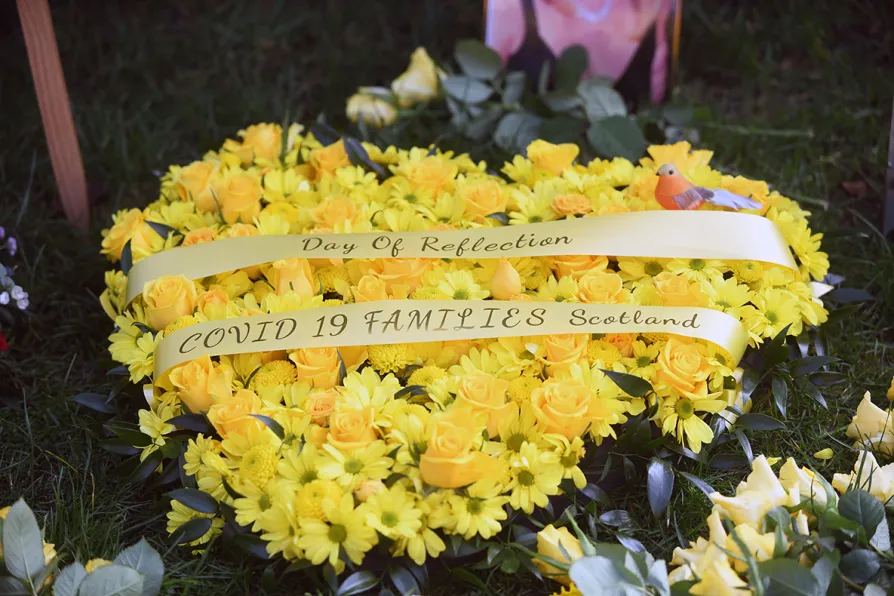 Tributes, flowers and photographs laid by a plaque during the Covid-19 Day of Reflection memorial event at Glasgow Green, marking the fifth anniversary of the Covid-19 pandemic, March 9, 2025
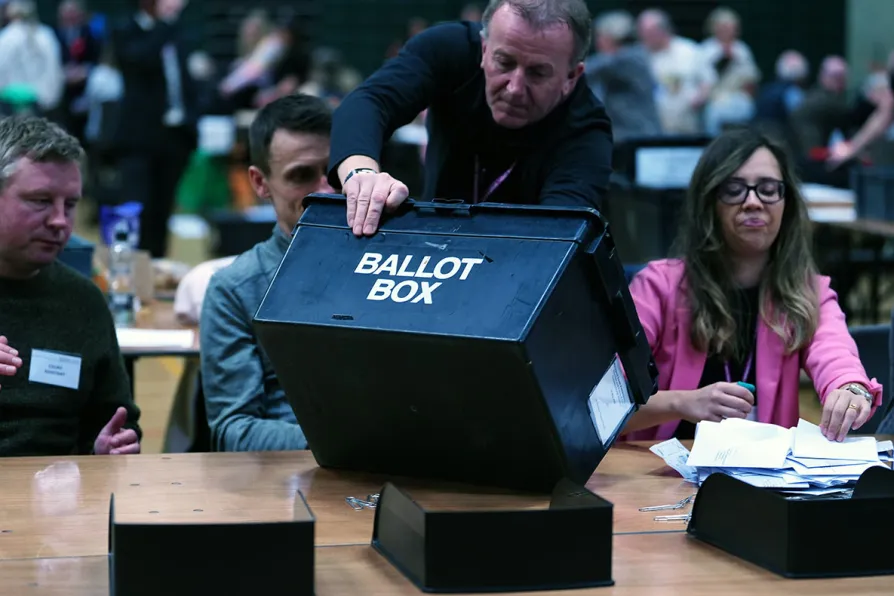





A NEW Scottish Covid-19 inquiry publication has revealed the stark inequalities experienced by workers during the pandemic.
More than 12,500 employees, employers, key workers and those made redundant during the pandemic contributed to the Voices of Business and Individuals document, sharing the struggles they faced ranging from working in unsafe environments, balancing their own caring responsibilities and living with long Covid.
The document, the first of four thematic papers to be published by the inquiry, outlined the confusion that reigned during the pandemic, with understanding of both the virus itself and the response under constant review.
One respondent told the inquiry: “It was fair to say life was chaotic. None of us knew what was to happen.”
Another, who worked as a health and social care key worker while carrying the responsibilities of being an unpaid carer, said: “The challenges were having to work from home and support my then 4th year pupil son who has ADD (attention deficit disorder).
“This increased stress as a working mother trying to juggle work and support.”
Many workers also spoke of being pressured to return to work early, and of inadequate support from both employers and the health system over the course of the crisis.
One office manager noted: “[My manager] did not believe the virus existed, bullied staff to work under threat of losing their jobs.
“Our workplace should have been closed but he ‘forged’ papers… to say we were critical workers.”
Looking ahead, respondents called for systems of financial support for those living with long Covid to be made easier to access and a boost to statutory sick pay to avoid workers ever again being forced to choose between their health and their income.

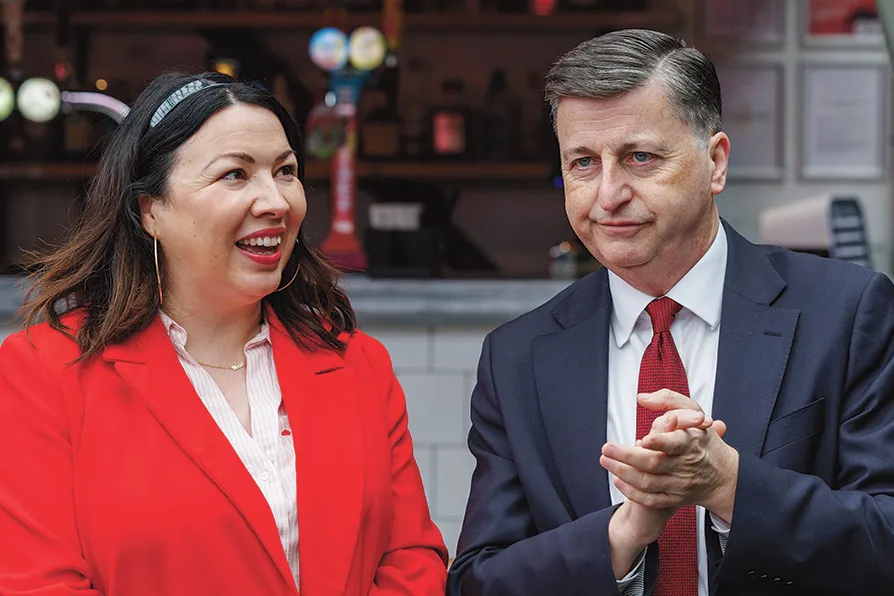
To govern again, we must first earn back the confidence of the people who founded our movement
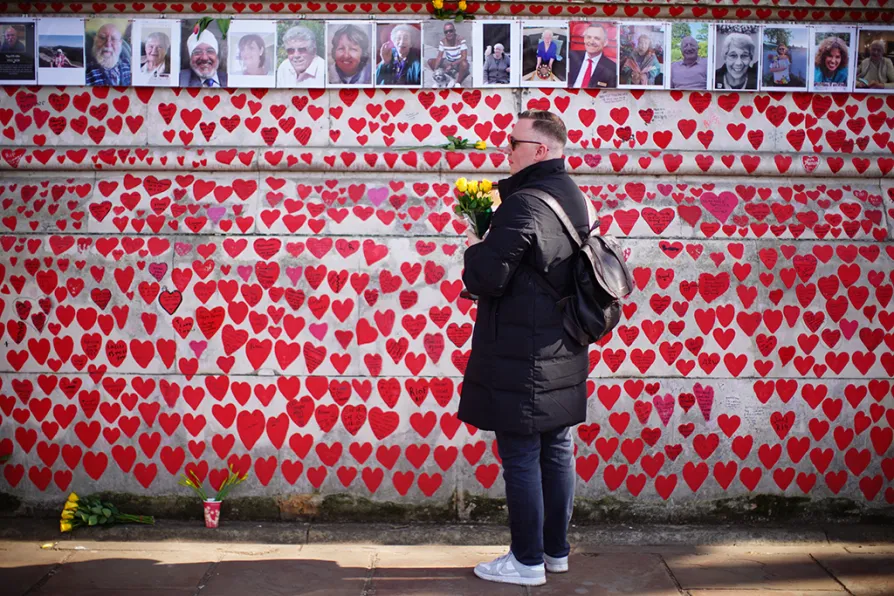
Roger McKenzie talks to general secretary of Unison CHRISTINA McANEA about the impact of the cost-of-living crisis on members, the local government funding emergency and the threat of Reform UK
The visa system traps workers with abusive employers, creating a vulnerable workforce scared to complain for fear of deportation — that is why we’re campaigning for a ‘common sponsorship’ model instead, writes FAVOUR DAVIDKING