


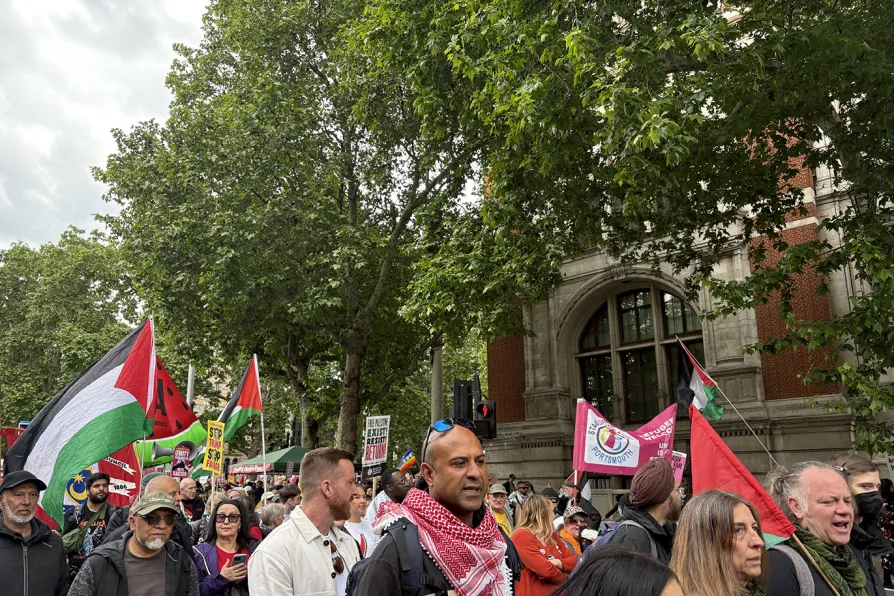

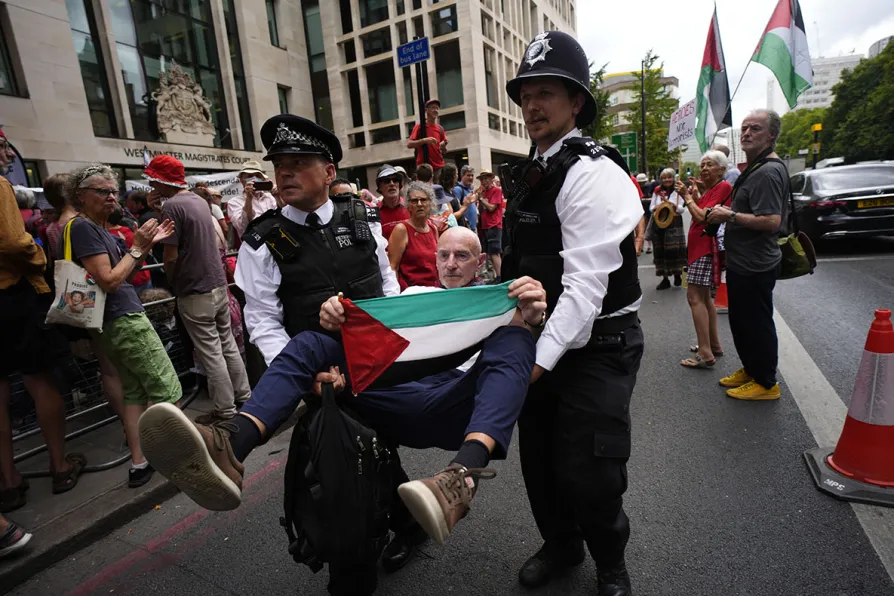





THIS newspaper’s editorial line — spelt out in the weekend edition last — compared the attitude of the government, and of the Metropolitan Police who act as its barking dog, to the two marches which took place in the capital.
One, maybe 25,000 in number, was characterised by extremist, racist and Islamophobic language, drunkenness and public urination, along with extravagant displays of boorish behaviour. Thus our quintessential British values were codified for televisual record.
Where the most offensive voices were absent from the speakers platform — banned from entering the country in a well-considered decision to safeguard our borders — the home-grown substitutes provided plenty of of ill-informed and offensive content.
The other, perhaps a quarter of a million in size, was noisy, even extravagantly so. In its mass it was a fair cross-section of the British people with a substantial admixture of families from the various migrant and refugee groups with a special interest in the geopolitics of western Asia.
The speeches were passionate and caring, suffused with anger at injustice and war.
It serves the dishonest narrative of government and media to conflate these two phenomena, one a march for division and hate, the other for justice and peace. And this conflation seeps in everywhere. In its presentation of the day’s events Channel 4’s news programme talked of a number of arrests without specifying who these arrests involved, although even the most complacent of viewers might have made an informed guess about the circumstances in which these arrests were.
The decision of the far-right fringe activists Stephen Yaxley-Lennon to stage his hatefest on Nabka Day — when we mark the expulsion of three-quarters-of-a-million Palestinians from their land during the establishment of the state of Israel — has ended up showing just how much weaker is his mobilising capacity.
The Faragiste tendency was substantially less present in the far-right demonstration. There was a higher “fascist fringe” count and a substantial mobilisation by the various right-wing schismatics who find both the dictatorial methods of Farage and his politics to moderate not to their liking. But the decisive feature was that numbers were down.
We can speculate that the identification with Trumpian politics — many were wearing “Make England Great Again” caps — is a turn-off for many, even on this right-wing fringe of British politics.
If indeed, where there are fissures opening up among the disparate forces on the right, then this presents an opportunity both for the left and for the nexus of power and ambition opening up around the candidature of Andy Burnham.
The hidden and not-so-hidden powers that be in Westminster Labour have found Burnham a parliamentary seat to contest. That this was in the gift of a highly compromised Blairite MP and that this emerged just as the plot to crown Wes Streeting leader was derailed tells us just how deep is Labour’s crisis and how much is invested in Burnham’s pitch to be the voice of the working people in government.
Burnham has the opportunity to create a new political narrative that joins together concrete measures to shift the balance of power and wealth from extremely rich to the working people and to give heft to measures to stabilise the social wage by bring rail, mail, road transport, water, gas and electricity back into public ownership and end the privatisation of the NHS.
Any political advantage that accrues to a Labour administration headed by him will be dissipated for millions of people if he fails to unshackle British foreign policy from the Nato/EU drive to war and to the support this immoral duo offers to Israel’s genocidal actions in Gaza and its projection of imperial power into its neighbourhood.

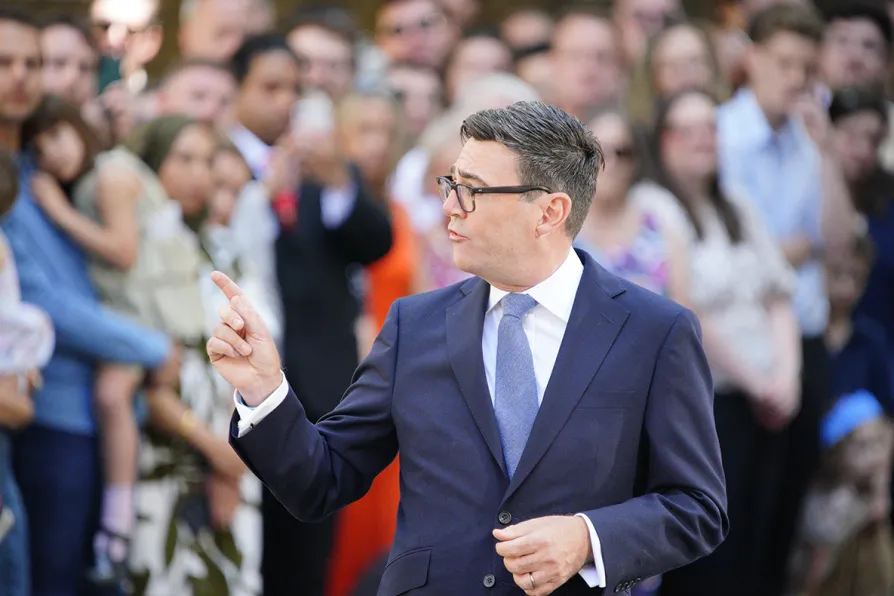
The new PM’s opening addresses offered hope, council homes and reform — but little detail on how any of it will be delivered, warns CLAUDIA WEBBE
Despite the screeching from the right-wing media, Burnham’s speech chimed with the public mood - and socialists should take advantage, says Morning Star editor BEN CHACKO
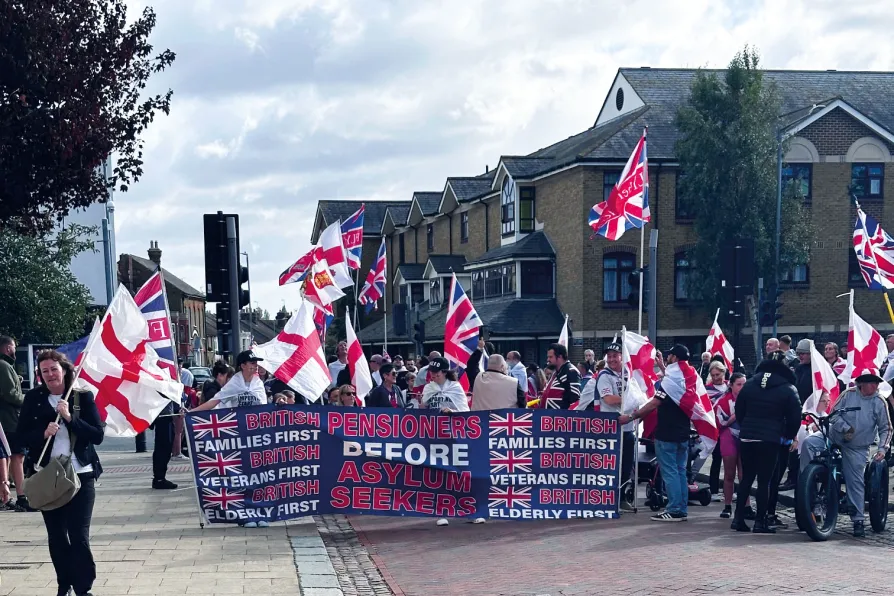
Once again, our broad-based coalition outnumbered the anti-migrant protest in Faversham, but tackling the sentiment behind this wave of anger requires explaining the real reasons pushing millions into leaving their homelands, argues NICK WRIGHT