ROB WARZYNIAK wades knee deep through a pile of ‘dead canaries’ of Trumpist policies which exacerbated the horrors of US capitalism domestically


 Latest editorial

Old castles and Oldcastle: treading a land seeped in history
In his fortnightly Borderlands column, MARK SEDDON visits overgrown forts along Offa’s Dyke and reflects on wars past and present
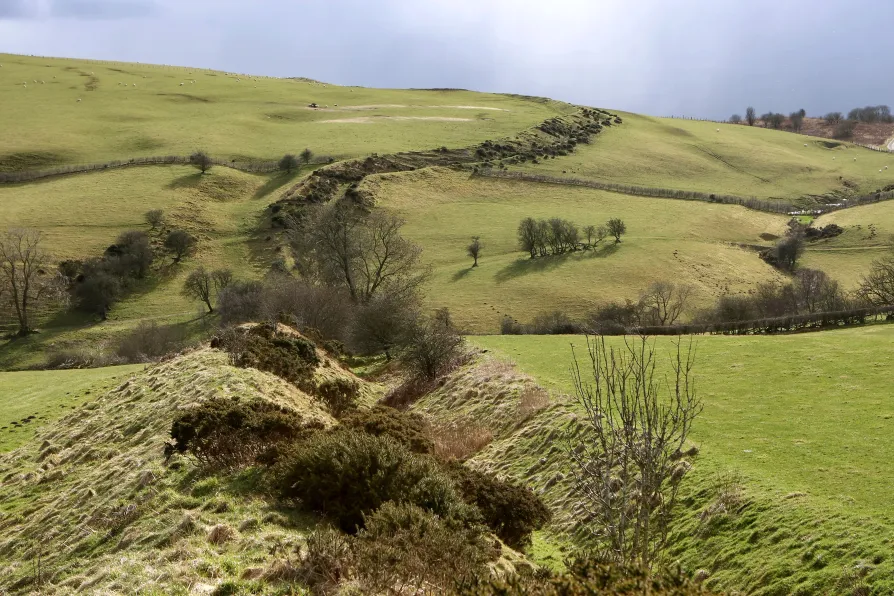 Offa's Dyke on Llanfair Hill, north of Knighton, Powys
Without evidence or Nato consultations Berlin’s answer to the Leipzig incident is a rupture of relations. SEVIM DAGDELEN examines why
FRANCISCO DOMINGUEZ introduces the background to a conference on defending Latin America’s sovereignty
The glacier collapse in Nepal is yet another warning that a warming planet is making Himalayan disasters more frequent and destructive – but the countries facing the greatest risks are often those least responsible, says LI YANG
Nick Blair is set to benefit from a hugely lucrative contract to ‘virtually’ train the British army for its next war. Like father, like son, writes SOLOMON HUGHES
Even when tragedy strikes, Western media cannot resist the opportunity to turn it into a sordid propaganda opportunity, as the Nepal-China border tragedy shows, writes CARLOS MARTINEZ
Trade unions should be at the heart of the anti-racist push for reparations for the historic legacy and continuing impact of slavery, writes ROGER McKENZIE





“TURNING swords into ploughshares” remains as a powerful metaphor for transforming weapons of war and destruction into instruments of peace and agrarian productivity.
Never has this seemed more relevant than this particular week as the world stood on a precipice and President Donald Trump blinked.
All of this, and much more, was on my mind as Inka the retriever and I set off for a walk across some of the ancient battlements and moats that are a feature of the Borders and where Offa’s Dyke marks the old frontier between England and Wales.
The border itself must have run just in front of where we live, for behind the church is an old motte and bailey — or fort and moat. Behind this there are two large carp ponds that would have fed the border guards.
Nowadays the ponds are silted up and dry out in the summer. But right now, they are ablaze with yellow Kingcups and the delicate pinkie cream of the “Lady’s Smock.”
The beauty and serenity of this became crowded out by the events of the past weeks. What had happened to some of my wife’s relatives still in Iran? We hadn’t been able to contact them for weeks and still can’t.
The death and destruction rained down on Gaza, Lebanon and Iran has been breathtaking in its extent and with the added utter contempt for the rules of war by Israel.
That Keir Starmer was happy to allow US bombers to take off from British bases even as Trump threatened civilisational destruction served as a reminder us that Labour ministers seem to have forgotten that their party was once rooted in the peace movement.
Yet, as with the Somme battlefields, so too with the ancient Iranian cities and as with the once heavily fortified borderlands of the Marches: nature eventually returns to reclaim what was once hers.
Nowhere more so than barely half a mile across the valley where thick woodland now covers another former border fort. A winding footpath through a secluded ravine, traversed by a small waterfall and stream will get you there; and on this day of all days, with the sun moving higher into the sky the full, unstoppable force of nature was evident everywhere.
Once upon a time the approaches to the fort would have been clear of trees, but now it is thickly forested with alder, ash, oak, hazel and elm, with the bright green of the hawthorn pushing through and on a nearby bank the brilliant white blossom of the sloe.
This is a magical place, carpeted now with wild garlic, fast emerging bluebells and the delicate flowers of the wood anemone. Deer will sometimes come wandering through and once I came across what I thought was a wild boar. It turned out to be a large, black-haired sow, which along with its piglets lived around what is known as the “Twt,” Welsh for a small compact place or fortified hill.
In the early 1400s this was where Lollard leader John Oldcastle was reputed to live — and later when being hunted down for heresy against the Catholic Church for some four years hid from the King Henry V’s soldiers after escaping from the Tower of London.
Oldcastle was not only to later provide the character for Shakespeare’s Falstaff, but his plot to bring down the monarchy and establish an English Commonwealth pre-dated Oliver Cromwell’s attempt to do the same two centuries later.
His army which assembled in St Giles Fields in London in the January of 1414 was easily defeated by the king, and Oldcastle was captured and then savagely hung, drawn and quartered.
He might have held a more prominent role in the radical history of these islands, had he not earlier fought for King Henry V — then his friend — against the last Welsh King, Owain Glyndwr, who also managed to hide out in the thick, forested valleys and hillsides of these borderlands. Which reminded me that the wonderful actor Michael Sheen will later this year play Owain Glyndwr in a Welsh National Theatre production of “Owain and Henry.” I wonder if John Oldcastle will get a walk on part? He certainly deserves it.
Fruits of the earth
AS THE days grow longer and warmer (well in theory) this is the time when those lucky to have a garden or an allotment come out of hibernation and start thinking of fruit and vegetables.
I have a small vegetable patch and will shortly be out planting early King Edwards potatoes and then, later on, when the frosts are over, peas, tomatoes, cucumber and some rather wonderful “Trail of Tears” runner beans.
These were gifted to me by the previous owner of our house and owe their name to the Cherokee Native Americans, who, driven from their lands by settlers, managed to take their runner beans with them to the new, barren, reservations.
Trump and Netanyahu’s war have already sent some prices skyrocketing and we are reliably informed that tomatoes and cucumbers are going to be especially expensive later in the year, so my aim is to be increasingly self-sufficient. We shall see how far we get with all of that.
In the meantime, sometime this summer, I am very keen to travel to London and persuade Jeremy Corbyn to let me in to some of his allotment tips. Jeremy appears to have cracked it with his jam in particular. Last year at the Durham Miners’ pre-Gala dinner, an auctioned jar of it managed to raise an astronomical sum for the Gala.
If memory serves me right, an Australian trade union delegation had the winning bid. So perhaps Jeremy’s jam has either been expensively eaten or is an exhibit. If it is the latter I hope that it is being kept in a cool place. And talking of cool places, allotments have never been more popular. Shouldn’t they have to be made available nearby each and every new housing estate that goes up?

Similar stories
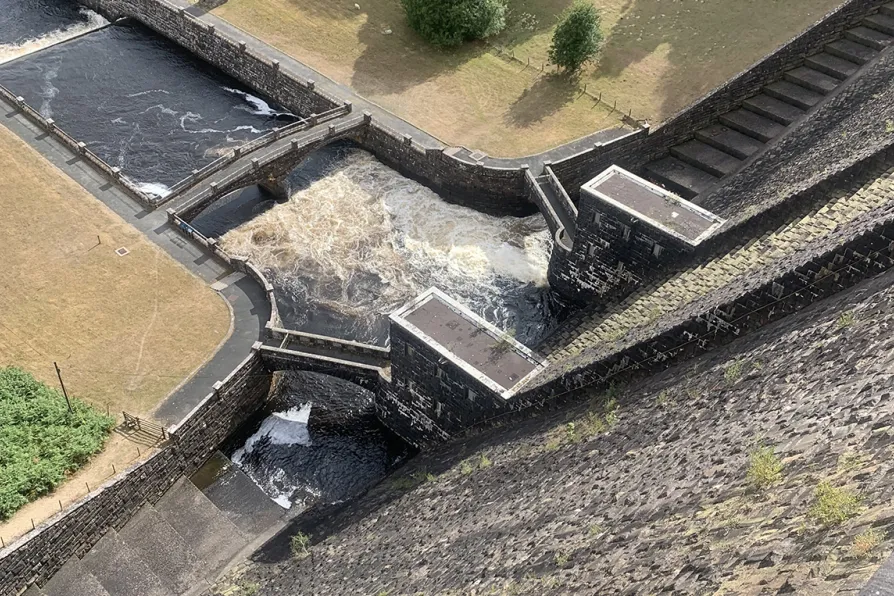
Welsh wanderings showcase fiery destruction, alternative water ways and revive memories of a local mining legend, writes MARK SEDDON
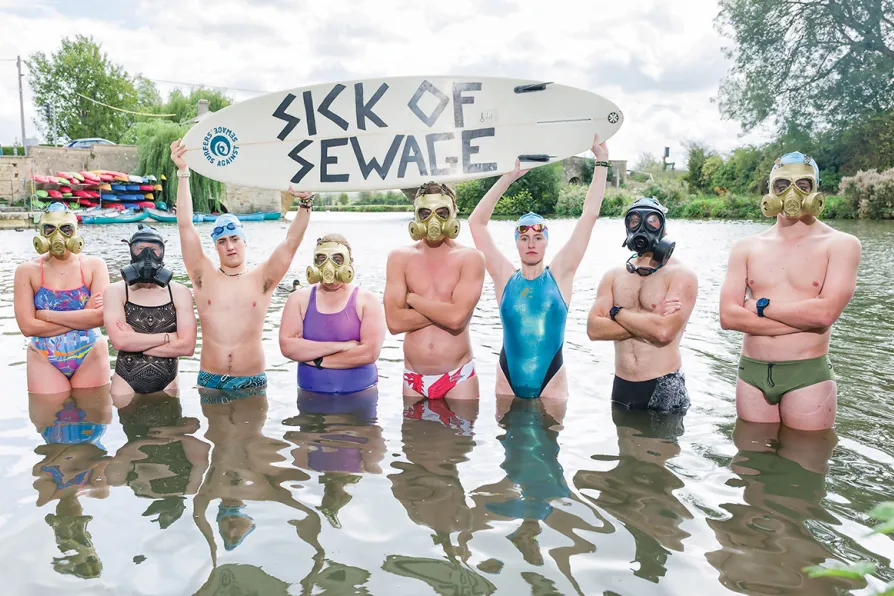
MARK SEDDON tries to cool off in the countryside to avoid the heatwaves but the greed and incompetence of the privatised water industry is now at boiling point
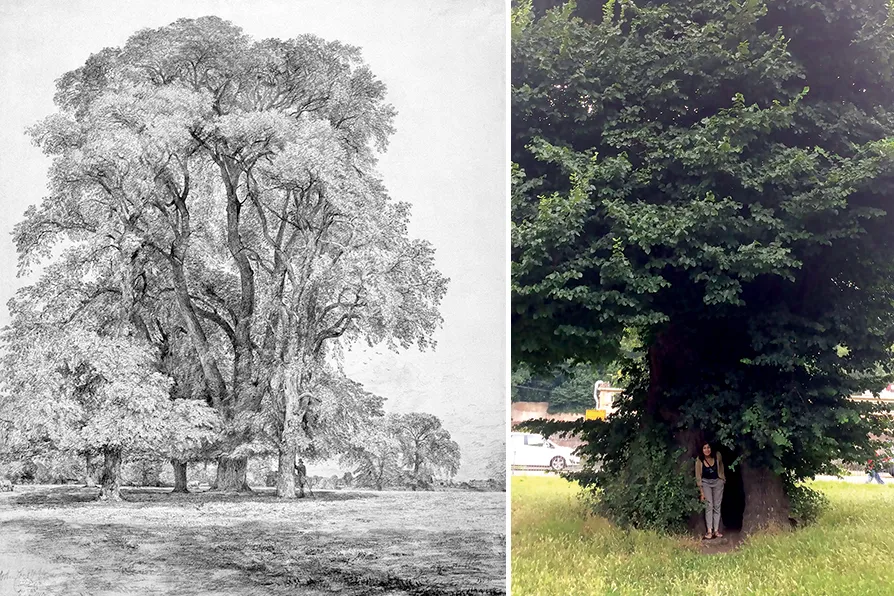
Millions of elms were wiped out by Dutch elm disease in the 20th century, transforming the landscape forever – yet pockets of hope are keeping this beloved tree alive. MARK SEDDON explains
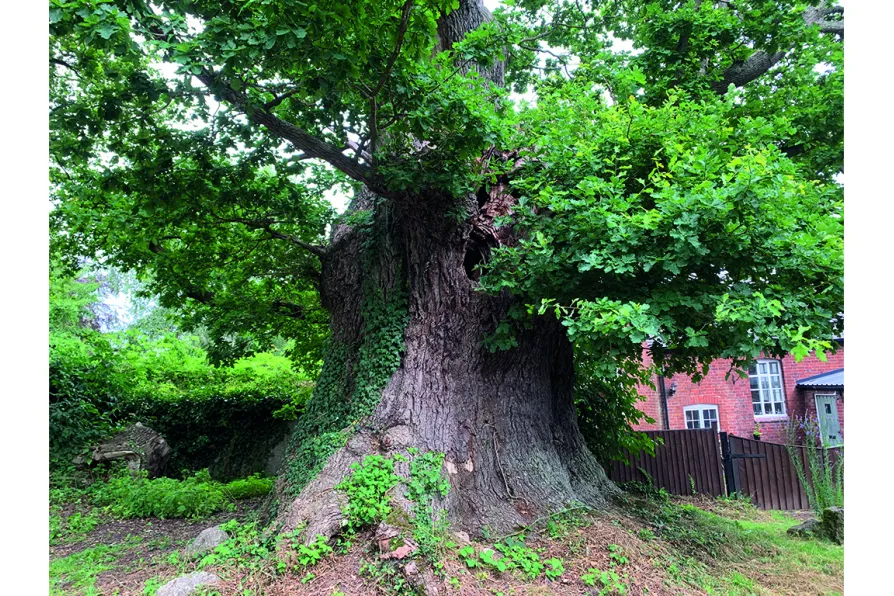
In his fortnightly column MARK SEDDON reflects on the death of Major Oak and why such ancient trees matter to us