The 25th anniversary meeting of the Shanghai Co-operation Organisation in the Kyrgyz capital may offer a glimmer of hope that international relations do not need to be defined by endless confrontation, writes KENNY COYLE


 Latest editorial

The 1926 General Strike: revolutionary potential, reformist betrayal, and the lessons for today
The General Strike exposed the power of the working class — and the limits of its leadership, writes Dr DYLAN MURPHY
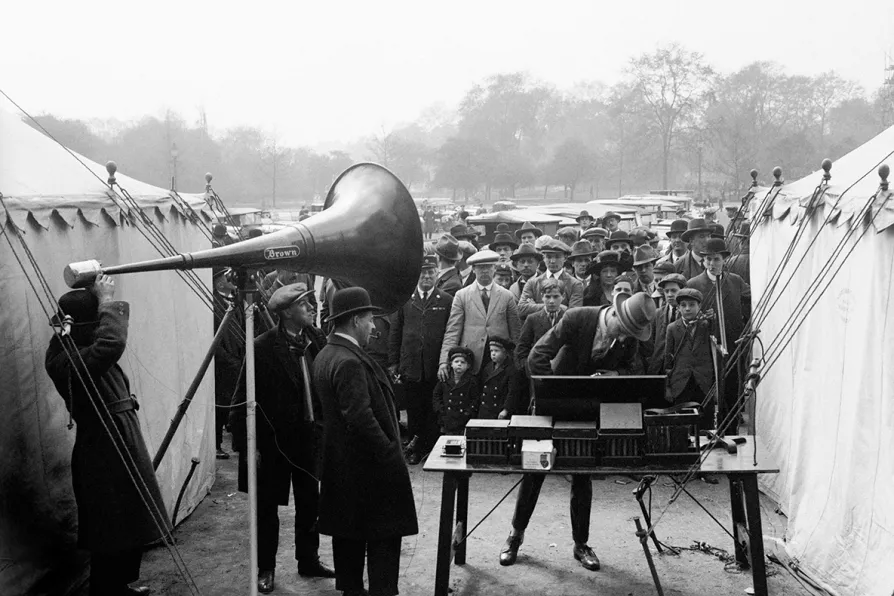 Broadcasting the news, during the General Strike of 1926, at a Government centre for the maintenance of essential services, May 1926

The artist, who has just died, is embedded in the subconscious of the Palestinian people
The five young men killed in the A66 crash were responsible for a devastating tragedy — but the crash should force us to ask difficult questions about wider society, argues RENATA MEDEIROS MIRRA
The unwillingness of the British political elite to acknowledge that we are on the edge of a direct conflict with Russia leaves the peace movement with an urgent and onerous task
Committee for the Defence of the Iranian People’s Rights general secretary GAWAIN LITTLE discusses the impact of the US-Israeli war on the Iranian people and economy
Capitalism has extracted itself from crisis before, argues PRABHAT PATNAIK – but through methods no longer available. So it is turning to authoritarianism, militarism and neocolonialism





THE attempt by the British ruling class to confront, contain and undermine the living standards of the working class in the 1920s reached its climax in the greatest class confrontation in British history: the 1926 General Strike.
This was not a simple industrial dispute over wages and hours — it was a moment of immense revolutionary potential.
The British working class stood on the precipice of power, only to be dragged back by the very reformist leaders who claimed to represent them. To understand this historic defeat, we must dissect the economic forces that made the strike inevitable, the revolutionary energy unleashed by the workers themselves, and the treacherous forces that ultimately betrayed them.
Following World War I the deep-seated crisis of British capitalism continued unabated. The government returned wartime industries to private owners, who had systematically failed to invest in modernisation.
The capitalist class, facing a decline in its global dominance, sought to restore profit margins by one means only: a brutal, systematic attack on the living standards of the working class.
The coal industry was a microcosm of this decay. The coal owners, a parasitic class, refused to invest in modernisation, preferring to extract maximum profit from outdated pits.
Churchill’s catastrophic decision in 1925 to return the pound sterling to the Gold Standard at its pre-war parity was an political act of class warfare. It overvalued the pound, making British exports uncompetitive and necessitating a massive deflation in the form of a nationwide campaign of wage cutting.
The first major skirmish in this class war was fought and won in July 1925, a day forever known as “Red Friday.” The coal owners issued a lockout ultimatum demanding national wage reductions. The miners, supported by the unions in the Triple Alliance, prepared for a general strike.
Faced with the threat of a national stoppage, the Conservative government capitulated. They granted a nine-month subsidy to maintain wages and appointed the Samuel Commission to investigate.
This was a temporary victory for the working class. But for the capitalists, “Red Friday” was merely a tactical retreat. The capitalist state began a systematic preparation for a civil war against its own people.
The government established the Organisation for the Maintenance of Supplies (OMS), designed to recruit an army of middle and upper-class volunteers — the scabs — to act as strikebreakers.
Around 300,000 to 500,000 of these volunteers were mobilised to drive buses, unload ships and operate power stations. The ruling class organised its forces with military precision.
In sharp contrast the preparations of the Trade Union Congress (TUC) general council were a study in reformist paralysis. The government preemptively arrested 12 members of the Communist Party of Great Britain (CPGB) in October 1925 — including eight of its 10-person executive — charging them with seditious libel and incitement to mutiny. They were subsequently sentenced to six months in prison.
This was a severe blow to the revolutionary vanguard, designed to decapitate the most militant section of the working class before the struggle even began.
The TUC leadership did nothing in response and was more concerned with distancing itself from the CPGB than with defending them. They failed to prepare the workers politically, insisting the strike was “purely industrial,” thereby denying its inherently political, revolutionary implications.
The inevitable collision came when the subsidy expired. The Samuel Commission Report endorsed the owners’ central demand for wage reductions.
On April 30 1926, the coal owners announced a lockout of all miners who refused to accept the new, lower wage rates and longer hours. The miners stood firm with their heroic slogan: “Not a penny off the pay, not a minute on the day.”
The TUC general council, under immense pressure from the militant rank and file, was finally compelled to call a General Strike in solidarity, beginning on May 3 1926.
The response of the working class was nothing short of magnificent. On the first day, nearly 1.75 million workers came out, paralysing the economy and demonstrating a level of discipline and class consciousness that astonished the world.
Two days after the TUC’s surrender, 100,000 more workers were on strike than at the beginning, showing their loyalty was to the class struggle, not the bureaucracy.
The most revolutionary feature of those nine days was the collapse of capitalist authority in many localities and the emergence of workers’ organs of power. The real power lay with the trades councils and councils of action.
These local strike committees, often led by the most militant workers, including members of the CPGB, stepped into the vacuum of authority. Despite the repression and the imprisonment of their national leaders, CPGB members on the ground were tirelessly organising the councils of action, leading the pickets, and publishing local strike bulletins. They became the local government of the working class, functioning as rudimentary soviets.
In areas like Newcastle and Tyneside, the councils of action took over the distribution of food and fuel. No vehicle could move without a permit signed by the local strike committee.
In Huddersfield, the local trades council, acting as the Joint Strike Committee, brought the town’s industry and transport to a complete standstill.
The textile mills — a cornerstone of the local economy — were shut down entirely, a testament to the solidarity of the workers.
The working class proved, in those nine days, that it was capable of not only stopping the old society but of running a new one. This was the moment of dual power, where the authority of the capitalist state was directly challenged by the nascent authority of the proletariat.
The defeat of the General Strike was not a failure of the workers, but a betrayal by the reformist leadership of the TUC and the Labour Party.
The Labour Party leadership viewed the strike with outright hostility. They were terrified by the revolutionary implications of the power the working class had unleashed, fearing that it would undermine the capitalist state.
In league with the reformist leaders of the TUC they sought to sabotage the movement from within. Rather than leading the charge against the capitalist state, these supposed representatives of the labour movement desperately sought a compromise to restore bourgeois order.
On May 12, in an act of profound treachery, the TUC called off the General Strike unconditionally, without consulting the miners or the workers who were still on strike.
The defeat was followed by a wave of capitalist revenge. During the nine days, approximately 5,000 workers were arrested, of whom around 1,000 were members of the Communist Party.
In the aftermath, thousands of militant trade unionists were victimised and blacklisted by employers. The state cemented its victory with the reactionary Trade Disputes and Trade Unions Act of 1927, which outlawed sympathy strikes and mass picketing.
The failure of the General Strike was not a failure of the working class, but a failure of its leadership. The working class lacked a mass, disciplined, revolutionary party capable of transforming the spontaneous power of the councils of action into a conscious bid for state power.
The CPGB itself was a small force, with a membership of only around 5,000 at the start of the strike, though membership doubled to over 10,000 in the aftermath.
The Comintern’s policy of supporting the Anglo-Russian Committee — a bloc with the reformist TUC leaders — politically confused the CPGB and prevented it from warning the labour movement of the TUC’s impending treachery.
It had failed to build a rank-and-file movement to take leadership of the struggle from the hands of the treacherous TUC leaders.
The historical significance of the 1926 General Strike lies in its demonstration of the working class’s revolutionary potential. A general strike is not a mere industrial tactic; it is a political act that poses the question of power.
The same crisis of capitalism, the same drive to make the workers pay, is present today. We must learn the lessons of 1926 to ensure that the next time the working class rises, it is led not to surrender, but to victory and the establishment of a socialist society.
Dylan Murphy is a labour movement historian who studied the history of the CPGB and its struggle against fascism for his doctoral thesis.

Similar stories
Read this book and be aware that this is our history, says RUTH AYLETT
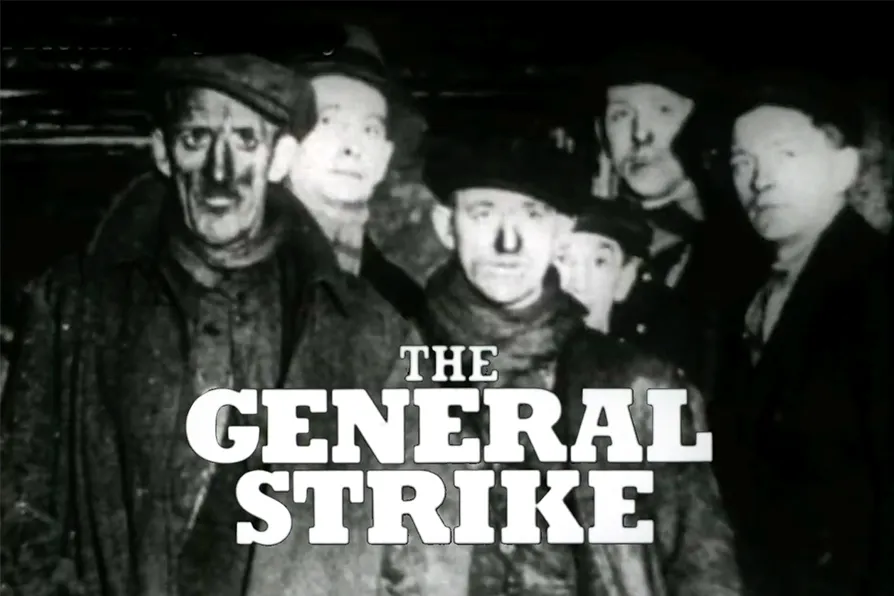
MARY DAVIS welcomes a remarkable documentary about the general strike — politically spot on, and featuring accounts from the strikers themselves — that is available for screenings
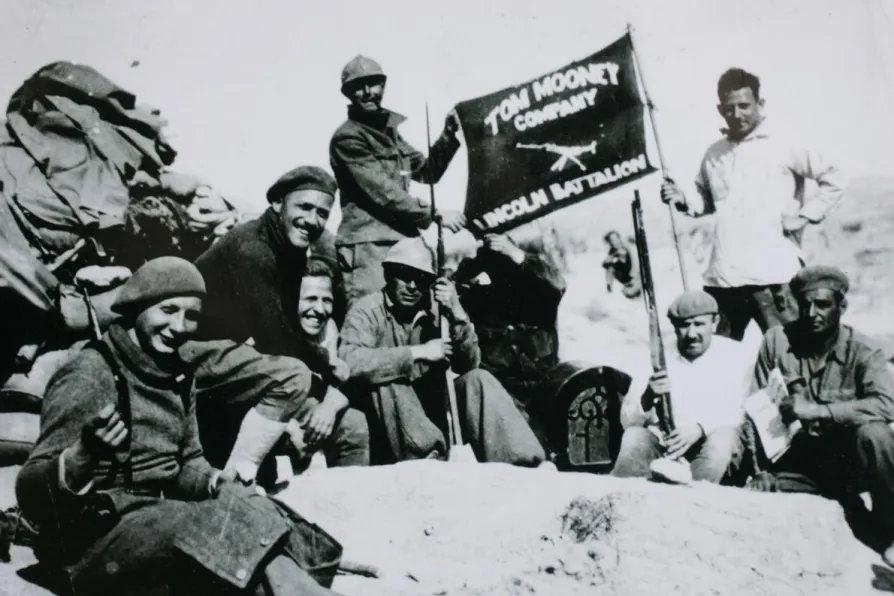
CJ ATKINS commemorates one of the most dramatic moments in working-class history
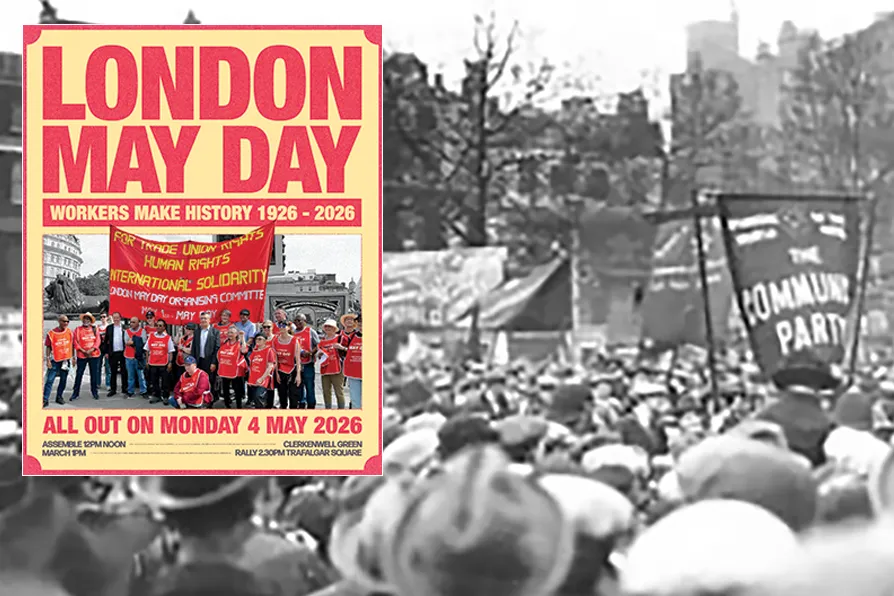
One hundred years after 1.7m workers shut the country down in defence of the miners, the struggles that sparked the 1926 General Strike are still with us – and will be honoured on London’s May Day march this year, writes MARY ADOSSIDES