
The UK Prime Minister may have the regal touch in northern England, but he’s been wrong-footed on the constitutional challenges posed by the Celtic Alliance of first ministers from Scotland, Wales and Northern Ireland, argues KENNY MacASKILL

From the General Strike to May Day 2026: a century of working-class solidarity
One hundred years after 1.7m workers shut the country down in defence of the miners, the struggles that sparked the 1926 General Strike are still with us – and will be honoured on London’s May Day march this year, writes MARY ADOSSIDES
 SOLIDARITY: Rally in Hyde Park during the General Strike of 1926 / Pic: Public domain
NEIRLAY ANDRADE, a member of the Communist Party of Venezuela’s political committee, outlines her party’s position on the crisis facing the country
A look at Taylor Wimpey’s accounts shows why Labour’s market-led housing strategy won’t deliver more, cheaper homes, as promised, says SOLOMON HUGHES
DAVID HORSLEY remembers the remarkable life and death of US black revolutionary George Jackson, whose politically passionate prison letters were published as Soledad Brother
Cuban trade union federation CTC leader OSNAY MIGUEL COLINA speaks to Ben Chacko about life and work under a crippling US siege
A part of the British empire’s network of slavery, today the Caribbean island of Nevis faces a new form of exploitation in the form of crypto-colonialism, CLAUDIA WEBBE writes
Challenges from the unscrupulous misuse of AI to steal actors’ voice and physical likenesses is being met with a firm union response, writes LYNDA ROOKE





ONE million and seven hundred thousand workers joined the nine-day General Strike on May 4 1926 called by the TUC in solidarity, with over one million locked-out coalminers.
There were strikers “from John o’ Groats to Land’s End.” The reaction to the strike call was immediate and overwhelming, surprising both the government and the TUC.
The miners’ rejection of the bosses’ attempts to cut their pay — “not a penny off our pay, not a minute on our day” — was supported by workers in transport, printing and heavy industry, bringing the whole country to a halt.
On May 4, the nation’s transport came to a standstill. It was a great act of worker solidarity, with many of those who were not miners and not directly affected, striking in support.
The TUC’s general council attempted to force Stanley Baldwin’s Conservative government to prevent wage reductions and worsening conditions for the 1.2 million locked-out coalminers.
After nine days, sadly, the TUC gave up despite growing support, with no clear plan for winning the dispute and fearing the strike’s revolutionary potential.
Miners slowly returned to work on worse terms and conditions. The demands of workers during the General Strike are still with us today as workers continue to defend their pay and working conditions.
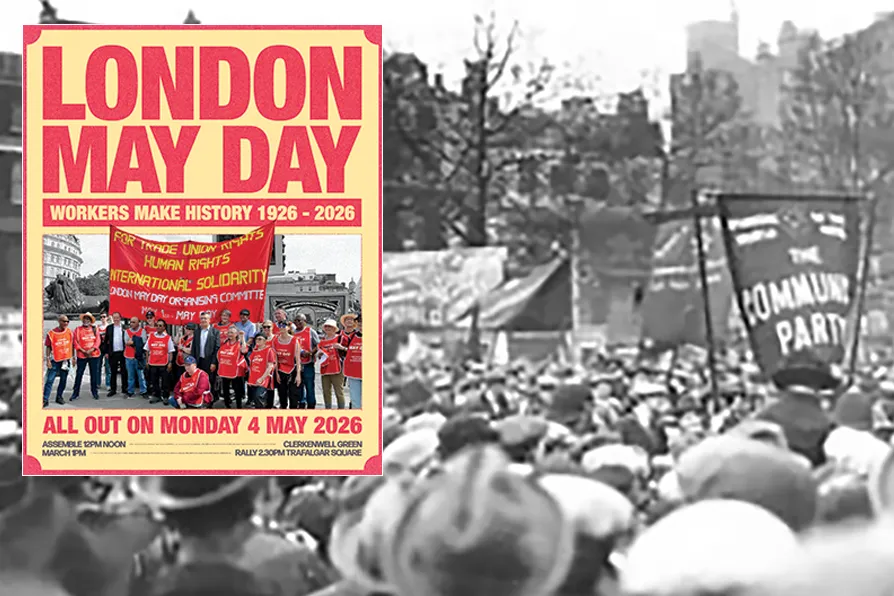
To mark this labour movement centenary, the London May Day march and rally will assemble exceptionally this year on Monday May 4 2026 at Clerkenwell Green and march to Trafalgar Square. Rallies will be held at both locations.
The annual celebration of International Workers Day brings together trade unionists and community organisations in solidarity with each other. Across the world workers will be marching, celebrating workers’ victories and bemoaning workers defeats, reminding ourselves that “unity is strength,” a slogan from the General Strike.
But the fight continues, the job is never done — there is no time for complacency as the bosses continue their relentless attempts to undermine workers’ rights.
Trade unions have always been the backbone of the fight for social and economic justice.
We must now redouble our efforts — not just to defend the victories we have won, push for more and defend our gains. There is much to do — it is the time to be bold, to organise and to demand the future workers deserve.
In all of London 32 boroughs have scheduled elections on May 7 with Reform UK leading in the polls. To defeat them a growing and diverse trade union movement can help with strong demands such as a strengthened Employment Rights Bill #2 and workers emboldened to challenge any attempts to shift the burden of economic instability onto working-class communities.
We have to organise against the rise of the far right, who seek to divide us, and make it clear that workers’ real enemy is not each other.
Join the London May Day march — for details visit https://bit.ly/LDNMayDayRSVP.
Mary Adossides is on the London May Day Organising Committee.

Similar stories
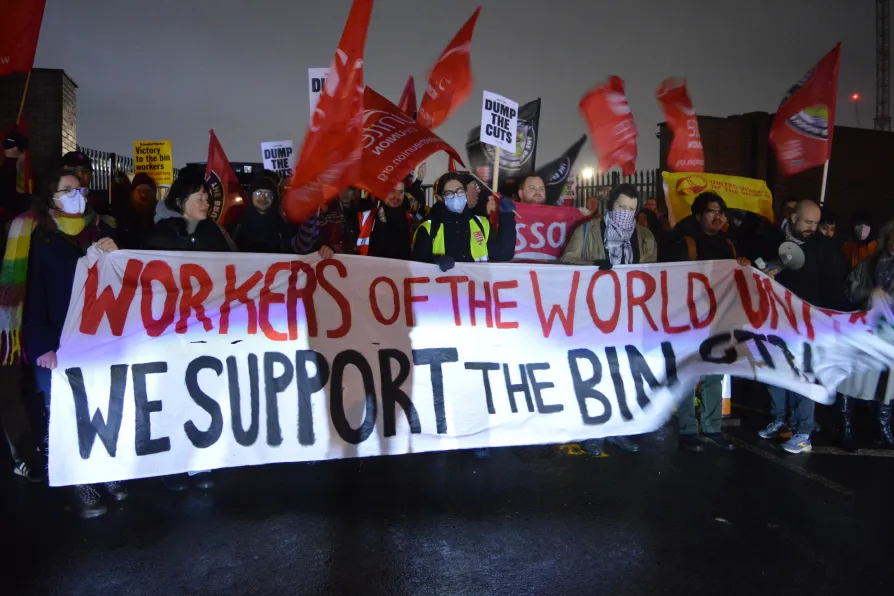
By making it simpler to support workers in struggle, Strike Map’s new Solidarity Fund aims to strengthen strikes when they need it most, write ROBERT POOLE and HENRY FOWLER
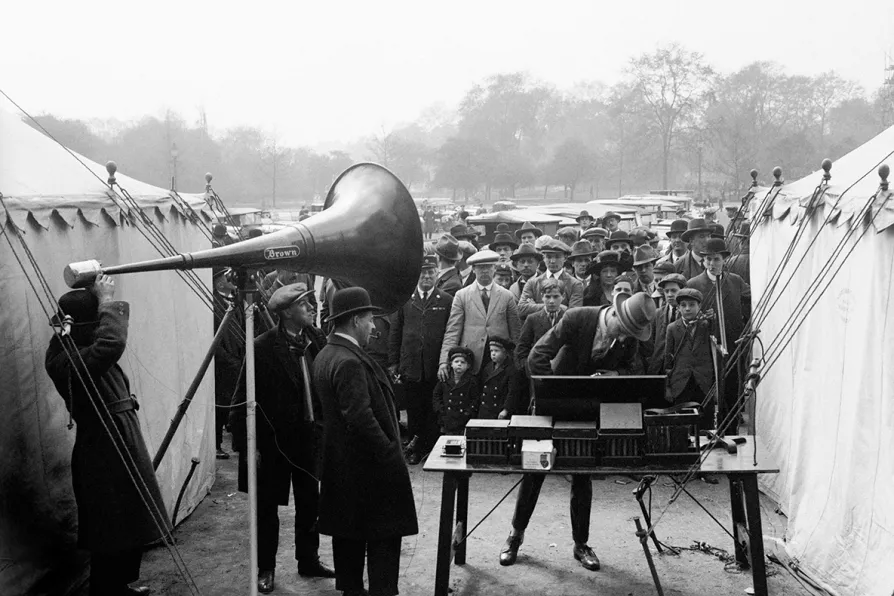
The General Strike exposed the power of the working class — and the limits of its leadership, writes Dr DYLAN MURPHY
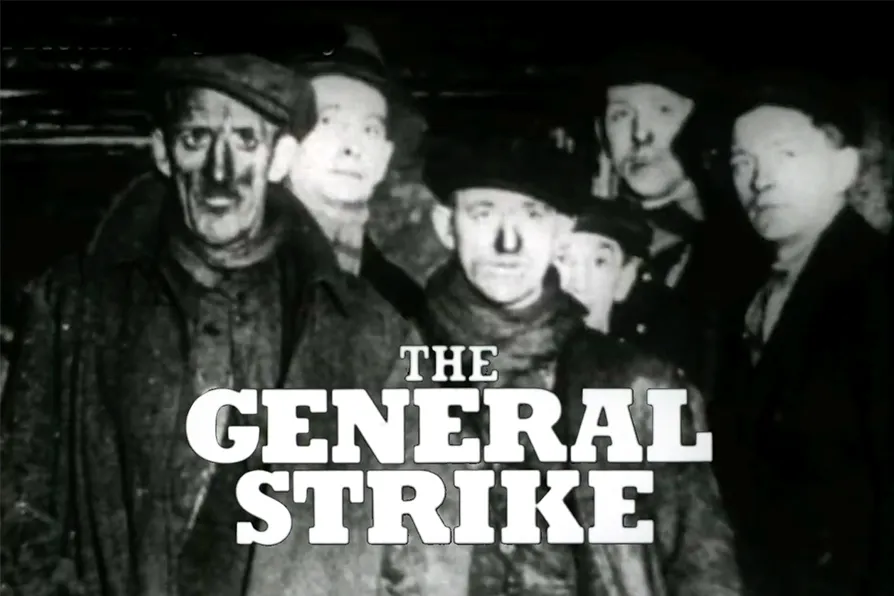
MARY DAVIS welcomes a remarkable documentary about the general strike — politically spot on, and featuring accounts from the strikers themselves — that is available for screenings
by Henry Fowler, General Strike 100 project co-ordinator