

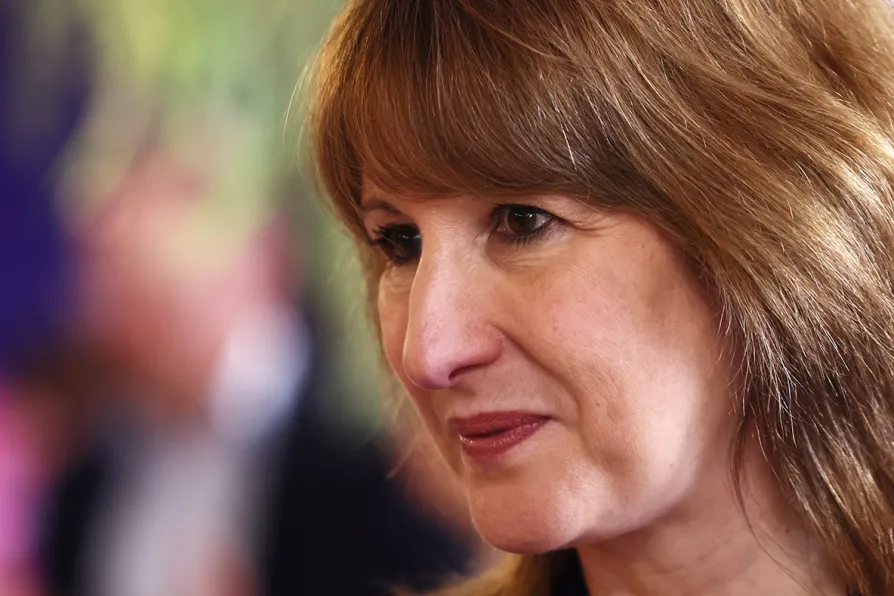
 Chancellor Rachel Reeves during a tour of Octopus Energy offices in London, after Ofgem's announcement of the latest energy price cap, February 25, 2026






ENERGY bosses have called on the government to “immediately” step up to protect the most vulnerable from predicted £250 price hikes sparked by the US-Israeli attack on Iran.
Trade body Energy UK, which boasts a highly profitable membership including BP, Shell and Centrica — whose UK residential arm British Gas alone coined in £224 million in pre-tax profit in 2025 — issued the call as world oil and gas prices soared.
Pointing to research from Cornwall Insight forecasting a 10 per cent hike in Ofgem’s household “price cap” on energy bills, Energy UK warned that if the war continues prices could climb to 2022 levels, when its members made billions as fuel poverty rocketed while the government shelled out £35 billion on subsidising bills.
The body has now called for a “vaccine-style task force,” involving ministers and senior officials from relevant departments and energy industry data experts “to urgently assess options,” including energy saving and targeted support for those on the lowest incomes.
Energy UK chief executive Dhara Vyas said: ”As we saw during the pandemic and previous energy crisis, the state can move quickly and inject a sense of urgency into work when it is really required.
“Energy bills remain higher than they were before the invasion of Ukraine and there is growing concern about record amounts of customer debt.
“Prioritising efforts to identify these customers is crucial for any potential emergency response and will also mean that we can ensure they are supported in the long term.”
Backing the task force call, End Fuel Poverty Coalition co-ordinator Simon Francis said: “Millions of families are still recovering from the last energy crisis, with record levels of energy debt and many already struggling to afford today’s bills.
“Without action, another price spike could push even more households into fuel poverty.
“That means targeted bill support, more help for households using LPG, heating oil and heat networks, plus urgent action to tackle the legacy of energy debt.
“But this crisis also reinforces the long-term lesson: as long as the UK remains dependent on expensive oil and gas, households will remain exposed to global shocks.
“That means we need action to bring down energy usage via building upgrades as well as action to bring down electricity prices through market reform and more renewables.”
The Department of Energy Security and Net Zero spokesperson said: “Tackling the affordability crisis is our number one priority. Energy bills are coming down in April, thanks to the action we took at the Budget.
“We are also working across government on data sharing to pave the way for better, targeted energy bill support, ensuring those who are struggling get the help they need.
“The only way to protect ourselves from these price spikes is to get off the rollercoaster of fossil fuel markets.”
