A California union’s decision to host a meeting about US policy towards Cuba has prompted a congressional probe and renewed attacks on international solidarity, writes CAMERON HARRISON



Iraqi women between imperial hegemony and the erosion of internal structures
Women’s fight against violence and legal erosion is central to building a democratic and just Iraq, says Dr SALMA SAADAWI

 Miguel Bruna / Creative Commons
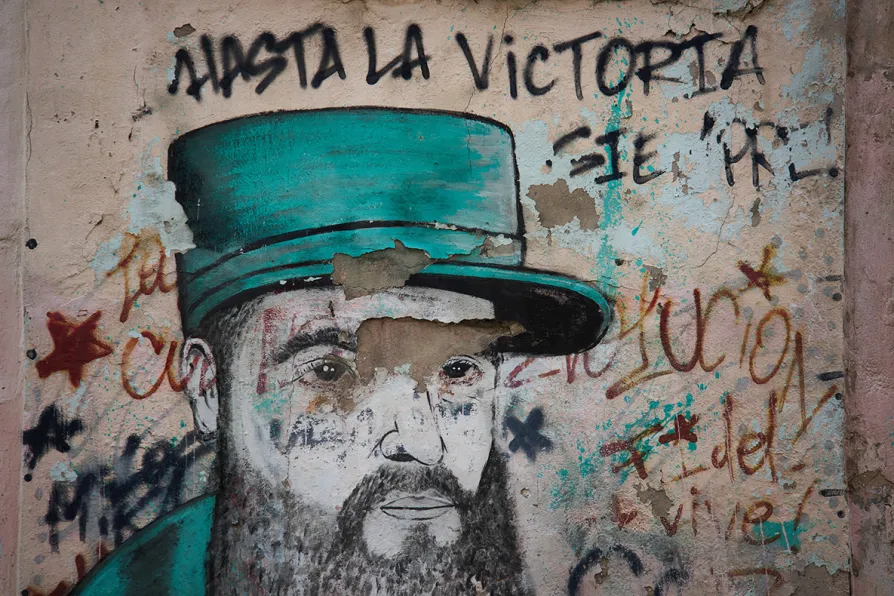
The Baltic state is set to reverse its constitutional prohibition on nuclear weapons and foreign bases as part of accelerated Nato war preparations, warns TOM UNTERRAINER
Long-term underfunding and state neglect, while simultaneously probation services have been undermined, have intensified the prison crises, argues SOLOMON HUGHES
Holyrood incompetence has cost jobs and put the future of Clydeside’s Ferguson Marine shipyard into jeopardy. Its future should have been assured, argues KENNY MACASKILL
With the agitated debate now raging in the media about the early release schemes, Prison Officers Association general secretary STEVE GILLAN gives the view of those who work in the sector
The hounding of the late Jason Arday is an all too familiar experience for many black people. ROGER McKENZIE calls for collective action to combat what can feel like personal isolation





ON THE occasion of March 8, International Women’s Day, it is not enough to celebrate with flowers and general slogans; rather, we must seriously examine the reality of Iraqi women as a mirror reflecting the profound structural crisis facing both society and the state.
Today, Iraqi women stand at the centre of a complex crisis shaped by intertwined external and internal factors that are difficult to disentangle. On one hand, imperial hegemony has left deep imprints on the structure of the state, the economy and society.
On the other, the deterioration of political, economic, legal and social institutions has reproduced structural marginalisation and inequality.
At the intersection of these two trajectories, women have become the most affected by wars, sanctions, foreign interventions, corruption and mismanagement.
In the Iraqi context, imperialism was not merely a transient military presence; rather, it constituted a pattern of domination that reshaped the state according to a logic of political and economic dependency.
Repeated wars, sanctions and a distorted rentier economy have weakened state institutions and dismantled social protection systems. With poverty affecting an estimated more than 20 per cent of the population, and overall unemployment rates reaching approximately 14 to 16 per cent, women have borne a disproportionate burden — through displacement, loss of livelihoods and increased responsibilities within the family amid the decline of formal support networks.
The labour market reveals a stark gender gap. While male unemployment stands at approximately 12 to 14 per cent, female unemployment rises to nearly 25 to 30 per cent, exceeding 35 per cent among young women aged 15 to 24.
Women’s labour force participation does not exceed 12 to 15 per cent — among the lowest rates in the region.
In addition, Unesco data and national reports indicate that the illiteracy rate among women approaches 20 per cent, rising to over 30 per cent in some rural areas, compared to lower rates among men.
This means that hundreds of thousands of women are excluded early from education and employment opportunities, deepening their economic dependency.
Such exclusion cannot be explained as an individual choice; rather, it is the product of an economic and social structure that reproduces women’s structural marginalisation. A woman without independent income is more vulnerable to domestic violence and economic coercion, and less able to participate in decision-making within the household. Households headed by women also face higher levels of poverty and social insecurity.
Within the family structure, evolving marriage patterns reflect the depth of the social crisis. According to recent official and international reports, approximately 22 to 28 per cent of married women in Iraq were married before the age of 18, with higher rates recorded in the poorest regions.
As for marriages conducted outside the courts, data from the Supreme Judicial Council indicates that roughly 20 per cent of marriage contracts in certain years are concluded outside the formal judicial framework, often through religious clerics in tribal arrangements, with some later registered — if at all. This practice deprives women of essential legal safeguards related to dowry, alimony, custody and divorce, and complicates the process of claiming rights before the courts.
Although some families resort to such arrangements as a “survival strategy” amid poverty, they effectively reproduce structural marginalisation by interrupting girls’ education, increasing the likelihood of early divorce, and perpetuating cycles of poverty across generations.
The Personal Status Law No 188 of 1959 marked a pivotal moment in Iraqi legislative history, establishing a relatively unified civil framework governing marriage, divorce, inheritance and custody, and affirming the principle of equal citizenship.
However, recent years have witnessed attempts to undermine this framework through proposals of a religious and sectarian nature, most notably the so-called “Jaafari Personal Status Code,” which grants broader authority to sectarian religious references in regulating family affairs.
Legal analyses suggest that some proposed formulations open the door to lowering the legal marriage age and restricting women’s rights in divorce and custody, thereby shifting from a unified civil legal system to sectarian legal pluralism and entrenching both horizontal and vertical inequalities in rights.
Iraq has ratified the Convention on the Elimination of All Forms of Discrimination against Women (Cedaw), albeit with reservations, thereby formally committing itself to improving women’s conditions and promoting equality. Yet recent years have seen organised campaigns to discredit the convention and portray it as a threat to religious values, accompanied by increasing pressure on civil society organisations and women’s rights defenders.
Thus, international commitments have shifted from being instruments of reform to arenas of political and ideological contestation, reflecting deeper structural tensions within the state.
Domestic violence continues to escalate as a silent war no less severe than armed conflict. Human rights reports document thousands of cases annually, including hundreds of killings or attempted killings under the pretexts of “honour” or “family disputes.” The actual figures are likely higher due to underreporting driven by fear of stigma or retaliation.
The absence of a comprehensive and effectively enforced domestic violence law — or the weak implementation of existing legislation — leaves women caught between tribal customs and a legal system insufficiently responsive to gender considerations, thereby deepening the culture of impunity.
Despite these grim indicators, Iraqi women cannot be reduced to the status of victims. In recent years, women have assumed an increasingly visible role within civil society organisations, trade unions, protest movements and feminist networks linking resistance to external domination and internal corruption with demands for profound legal reform.
Defending Law No 188, rejecting sectarian legal fragmentation, advocating for effective domestic violence legislation, safeguarding international commitments, and promoting economic empowerment are not sectoral demands; they form part of a broader national project aimed at building a democratic civil state founded on social justice and equal citizenship.
In this sense, the condition of Iraqi women serves as a precise political indicator of the cohesion of the state and society. Every expansion of women’s rights represents an expansion of national freedom; every regression signals a deeper crisis in governance, sovereignty and development.

Similar stories
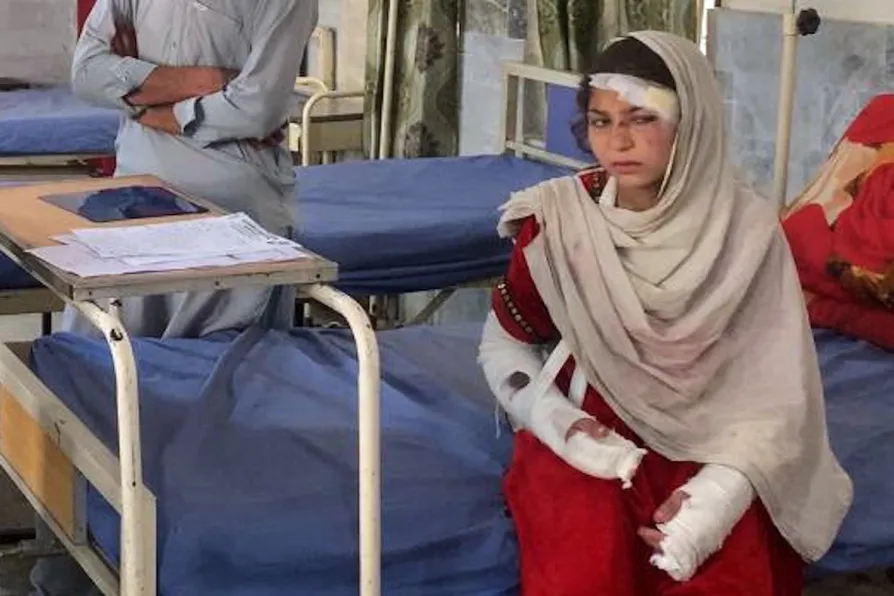
Afghan women living under the Taliban are navigating a system that makes their public existence conditional on male approval, writes SHUKRIA RAHIMI
Comments from Matt Goodwin and Danny Kruger expose a reactionary vision in which falling birth rates are blamed on women, says JUDITH CAZORLA
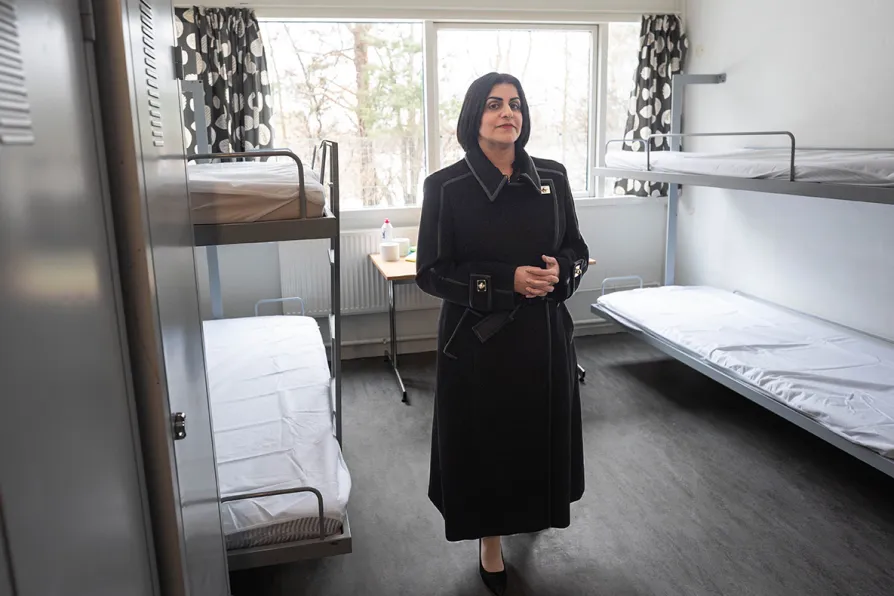
The government’s new immigration proposal risks creating a society where rights are earned, not guaranteed, warn feminist groups Project Resist and FiLiA in a joint statement
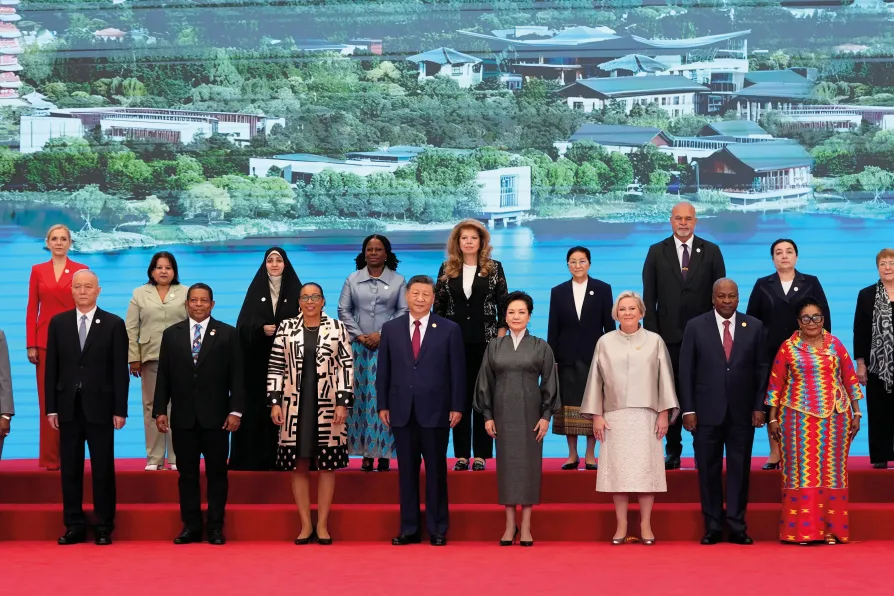
As the Global Leaders’ Meeting on Women begins in Beijing, it’s clear that China has fulfilled its commitments set 30 years ago and delivered amazing progress in women's education and equality, writes YU BOKUN