Preferable to Starmer he may be, but there is scant sign of a sharp political break in Burnham’s policies so far — while left challenges aren’t making much of a running either, finds ANDREW MURRAY. How can socialism be put back on the map?


 Latest editorial

Capitalism: the real Frankenstein’s monster
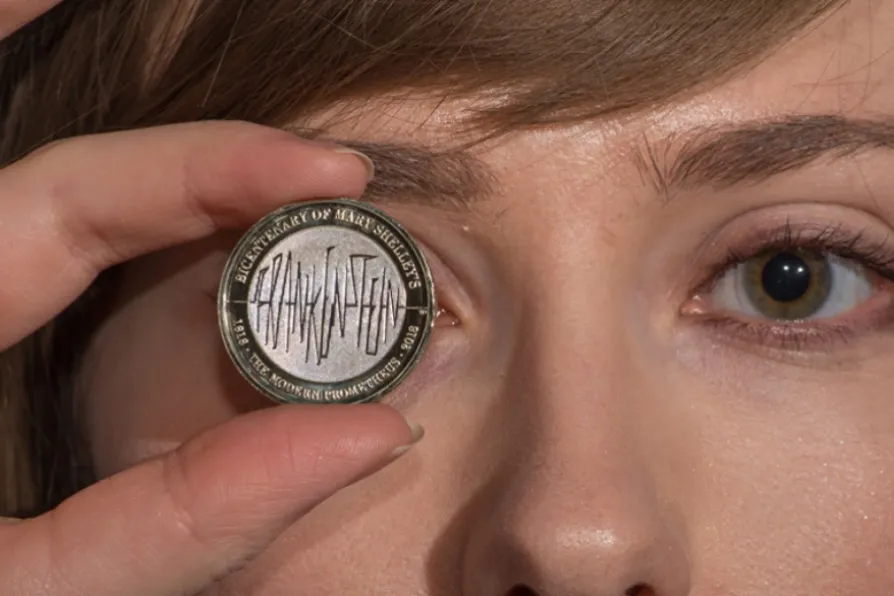 A Royal Mint worker holds up a commemorative Frankenstein coin

CHARLEY ALLAN reports from Clacton on Farage’s fears his by-election stunt has backfired
JEREMY CORBYN says we should never forget the horrific reality of nuclear weapons, or cease our efforts to rid the planet of them entirely
The new TUC Cymru general secretary speaks to Morning Star Wales reporter David Nicholson about her trade union background and ambitions for the movement
Internationalism is deeply embedded in socialist theory and practice. Examination illuminates its complexity asserts the Marx Memorial Library and Workers’ School
The Claudia Sheinbaum government is no pushover and is holding firm despite US abuses of the relationship, says DAVID RABY
As we approach the grim anniversaries of Hiroshima and Nagasaki, SIMON BARROW sounds the alarm over the dangerous and murderous direction our government is heading





Two hundred years after the publication of the gothic horror novel Frankenstein in 1818, this year has seen a plethora of Establishment media stories about the anniversary and author Mary Shelley, about whom a film has just been released. Much of the coverage and the film focuses on her relationship with the poet Percy Shelley.
Yet very few have highlighted the socialist influences on her personally or within the text of the famous book. Her parents were two of the most notorious radicals of her day: her mother, who died of complications 11 days after her birth in 1797, was Mary Wollstonecraft, author of A Vindication of the Rights of Woman. That book was published in 1792, and in it she she argues that women are not naturally inferior to men, but appear to be only because they lack education. She suggests that both men and women should be treated as rational beings and imagines a different social order founded on reason, rather than the prevailing discriminatory norm.
This was sensational stuff for the time, challenging as it did the ruling patriarchy, political establishment and the Church. She is cited by many progressives as one of feminism’s founding philosophers. Mary Shelley read her mother’s books, and was brought up to cherish her mother’s memory. Mary’s father was the political philosopher and novelist William Godwin, acknowledged nowadays as one of the first proponents of anarchism. Godwin is most famous for two books that he published within the space of a year: An Enquiry Concerning Political Justice, an attack on contemporary political institutions, and Things As They Are; or The Adventures of Caleb Williams, an early mystery novel which attacks aristocratic privilege.

Similar stories
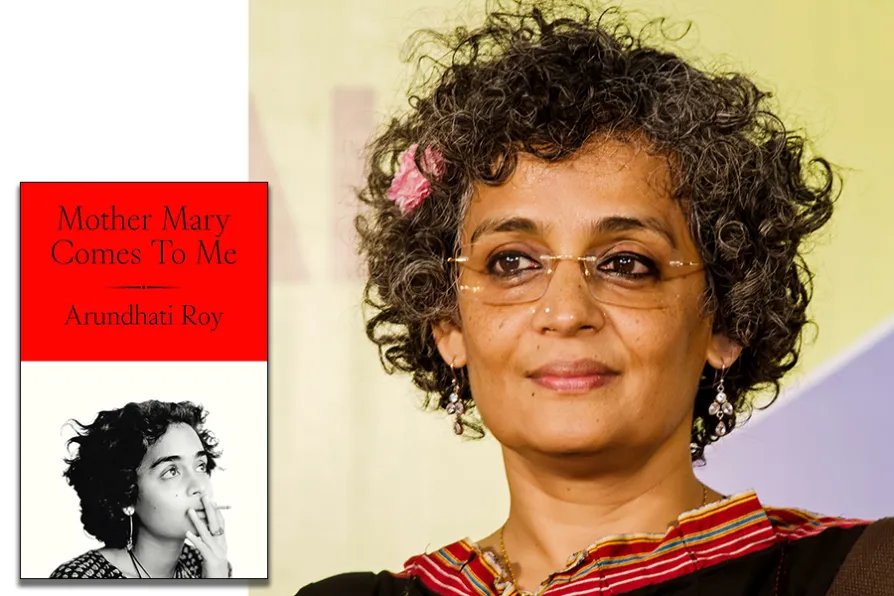
DOMINIC O’KEY recommends Arundhati Roy’s study of troubled mother/daughter relations
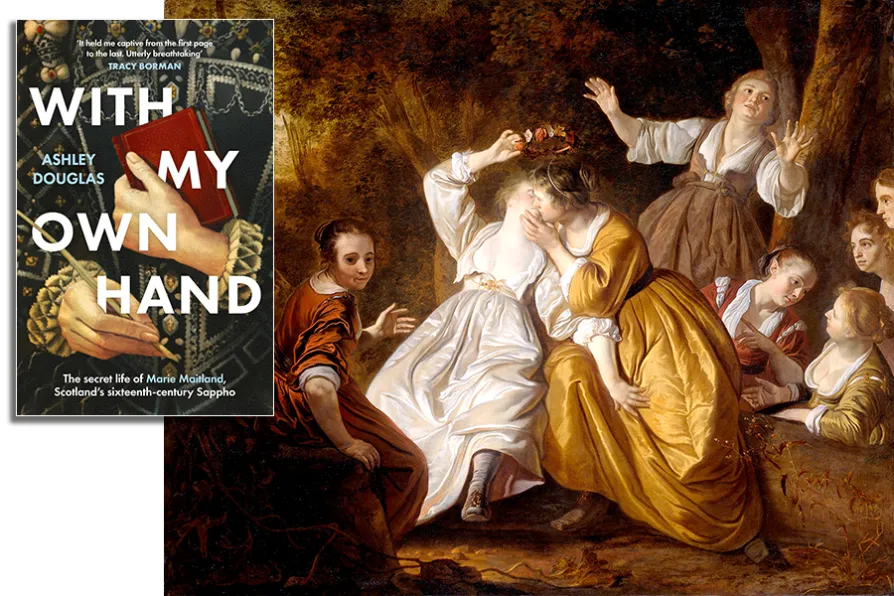
DIANE WATT argues that while evidence of sex is not there, a 16th‑century lesbian poet could be Scotland’s answer to Gentleman Jack

From post-human revolution in Puerto Rico to trans poetics and queer mythmaking, these three books that imagine new ways of being together
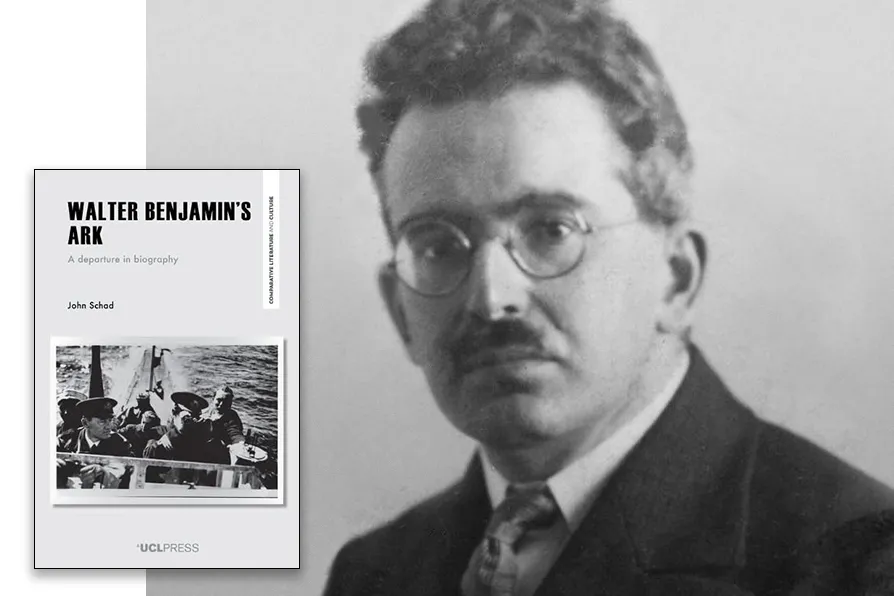
GORDON PARSONS is intrigued by a biography of the Marxist intellectual and author, made from the point of view of his son