All the evidence shows voters want Labour to shift to the left — but initial signs from Andy Burnham are worrying on that front, cautions DIANE ABBOTT


 Latest editorial
Should our museums be funded by dictators?
PHIL MILLER investigates the National Army Museum in Chelsea and its links to the Gulf
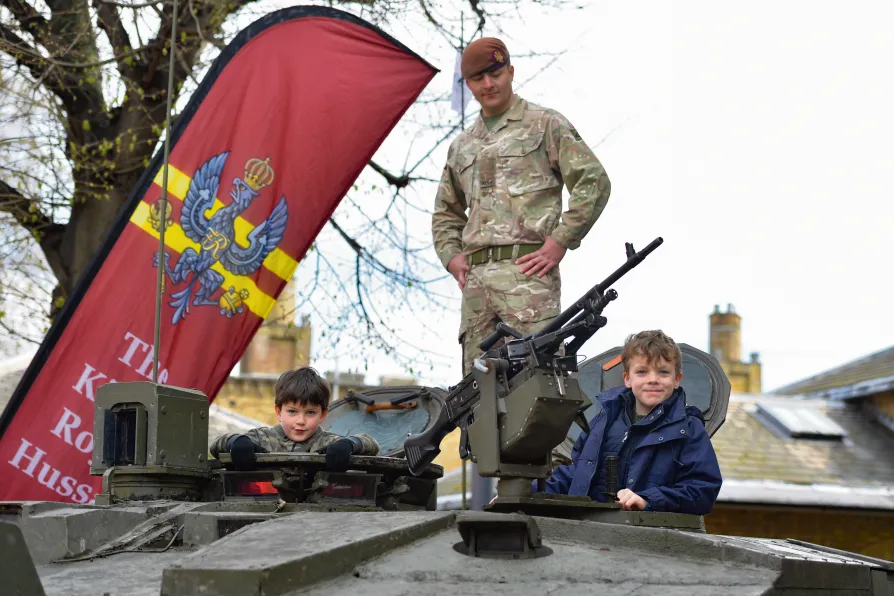 Children play outside the National Military Musem, funded by Sultan Qaboos, dictator of Oman
ANDY McDONALD MP says Labour must show it is capable of delivering real improvements in people’s lives — bold action is required
ANGUS REID and ANDREW JOHNSTONE report on an initiative that we must take this summer
ALLISON FEWTRELL on what Plaid Cymru's historic election victory means for the communities being failed by Wales’s housing crisis, and four things the new government can do right now
France Insoumise MP JEROME LEGAVRE speaks to Christophe Domec on building the Europe-wide peace movement that came together in the International Conference Against War last weekend
At last weekend’s International Conference Against War, LINDA PENTZ GUNTER talks to the Palestinian physician and politician about the struggles ahead to achieve a truly free Palestine





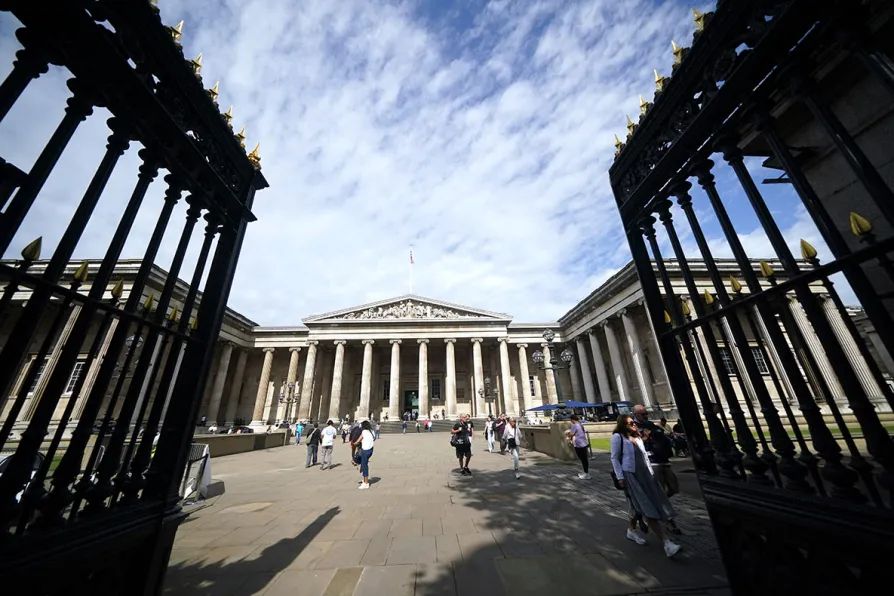
FROM protests against BP’s sponsorship of the British Museum, to anti-Shell demonstrations at the National Gallery, the debate over who funds our cultural institutions continues to rage. Now another London landmark is coming in for criticism, this time over its links to a Gulf dictatorship.
The National Army Museum (NAM), next door to the Chelsea pensioners hospital, is a public body that describes itself as a “leading authority on the British Army and its impact on society past and present.” But when a refugee from Oman recently toured the museum, he was surprised to see almost no mention of what British troops had done in his homeland.
At last count there were nearly 200 British military personnel stationed in Oman, more than anywhere else in the Gulf. And yet one of the only signs at NAM that the British army has some connection to Oman is a transparent plaque proclaiming: “The Museum is grateful to the following for their generous support of the major redevelopment in 2017 … principal supporters … His Majesty Sultan Qaboos bin Said Al Said.”

Similar stories
A lifelong communist and community organiser, Pinder helped shape anti-racist and anti-colonial activism in Britain while dedicating himself to youth work and collective struggle, writes David Horsley
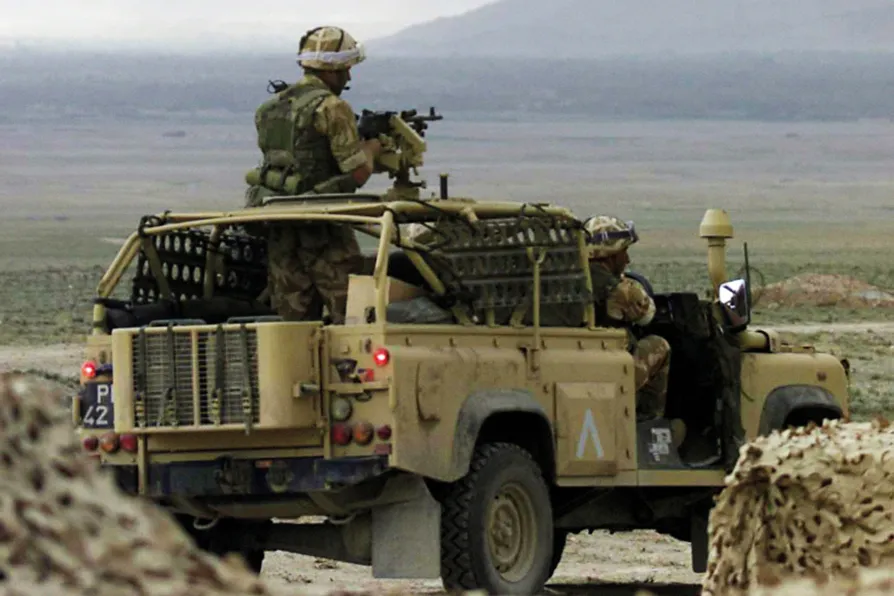
Outrage greeted Donald Trump’s suggestion earlier this year that Britain stayed off the front lines. But evidence suggests our forces were at times pulled from the most dangerous fighting — not by military failure, but by pressure at home, says IAN SINCLAIR