ROB WARZYNIAK wades knee deep through a pile of ‘dead canaries’ of Trumpist policies which exacerbated the horrors of US capitalism domestically


 Latest editorial

How surveillance technology is changing our rights to privacy
Web users are frequently and unwittingly signing away their privacy rights – opening the door to mass snooping, writes JULIAN VIGO


Without evidence or Nato consultations Berlin’s answer to the Leipzig incident is a rupture of relations. SEVIM DAGDELEN examines why
FRANCISCO DOMINGUEZ introduces the background to a conference on defending Latin America’s sovereignty
The glacier collapse in Nepal is yet another warning that a warming planet is making Himalayan disasters more frequent and destructive – but the countries facing the greatest risks are often those least responsible, says LI YANG
Nick Blair is set to benefit from a hugely lucrative contract to ‘virtually’ train the British army for its next war. Like father, like son, writes SOLOMON HUGHES
Even when tragedy strikes, Western media cannot resist the opportunity to turn it into a sordid propaganda opportunity, as the Nepal-China border tragedy shows, writes CARLOS MARTINEZ
Trade unions should be at the heart of the anti-racist push for reparations for the historic legacy and continuing impact of slavery, writes ROGER McKENZIE





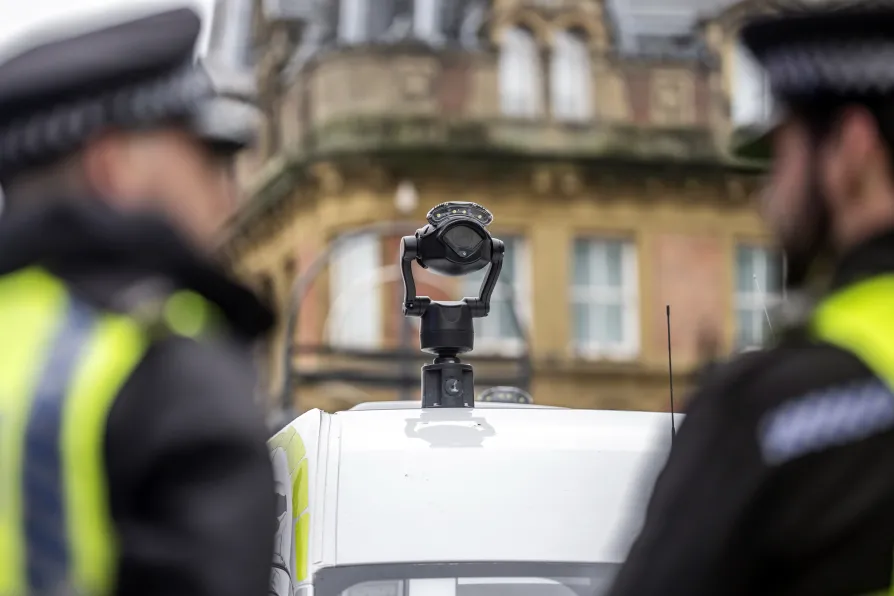
IN May, San Francisco became the first city in the United States to ban the use of facial recognition technology to include such technology as used by government agencies, while not addressing technology which unlocks mobile devices or cameras installed by businesses or individuals.
Still, this ban is a step in the right direction and it is setting a precedent for other cities to follow as Oakland, California, and Somerville, Massachusetts are also currently under discussion about employing similar facial recognition bans.
In Britain, however, facial recognition technology has been under serious debate as was seen in a lawsuit filed by the human rights charity Liberty on behalf of the complainant, Ed Bridges, a self-described “father of two, football fan and campaigner on human rights.”

Similar stories

The new prime minister has shown a willingness to reconsider his previous views on assisted suicide and focus on improving care services. CHRIS WHITEHOUSE hopes other MPs will do likewise

Sexual harassment on Britain’s railways is rising sharply, according to the British Transport Police, yet too many women still feel reporting is futile. LYNNE WALSH asks why the burden of safety all too often remains on women themselves