
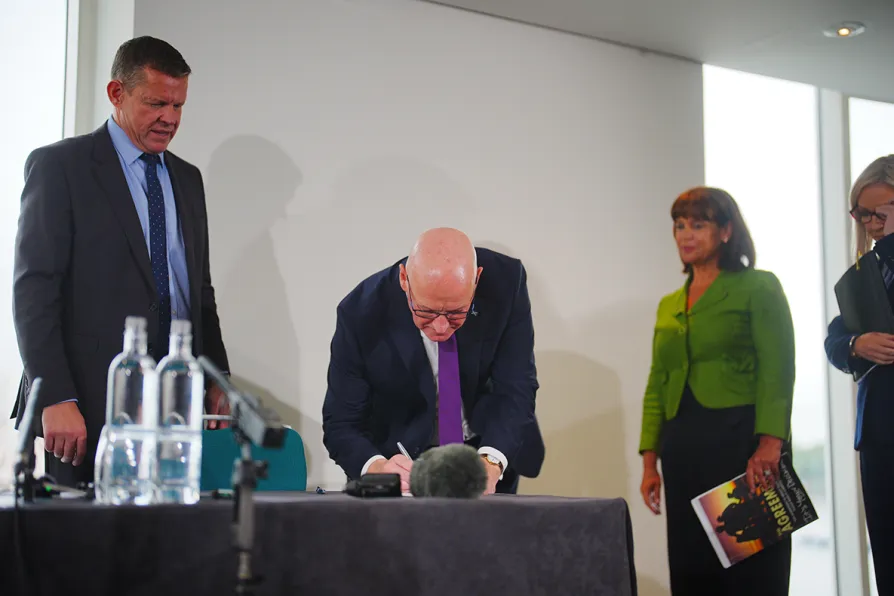
The UK Prime Minister may have the regal touch in northern England, but he’s been wrong-footed on the constitutional challenges posed by the Celtic Alliance of first ministers from Scotland, Wales and Northern Ireland, argues KENNY MacASKILL

What is ‘freedom’?

NEIRLAY ANDRADE, a member of the Communist Party of Venezuela’s political committee, outlines her party’s position on the crisis facing the country
A look at Taylor Wimpey’s accounts shows why Labour’s market-led housing strategy won’t deliver more, cheaper homes, as promised, says SOLOMON HUGHES
DAVID HORSLEY remembers the remarkable life and death of US black revolutionary George Jackson, whose politically passionate prison letters were published as Soledad Brother
Cuban trade union federation CTC leader OSNAY MIGUEL COLINA speaks to Ben Chacko about life and work under a crippling US siege
A part of the British empire’s network of slavery, today the Caribbean island of Nevis faces a new form of exploitation in the form of crypto-colonialism, CLAUDIA WEBBE writes
Challenges from the unscrupulous misuse of AI to steal actors’ voice and physical likenesses is being met with a firm union response, writes LYNDA ROOKE





What is Freedom? Ye can tell / That which Slavery is too well, For its very name has grown / To an echo of your own.
SHELLEY’S poem “The Masque of Anarchy” was written in response to the Peterloo Massacre in St Peter’s Field, Manchester, in August 1819 when cavalry charged a demonstration to demand the reform of parliamentary representation, killing 15 and injuring hundreds. Shelley is clear that slavery is central to capitalism — from wage slavery to physical repression: but he leaves any definition of freedom hanging in the air.
Apologists for capitalism, by contrast are clear what they mean by “freedom.” Freedom, they argue, is the basis of “our” economic system; freedom for those who own property to keep it; of “free” competition, consumer “choice” and the phoney “freedom” of the market.
For capitalism, freedom is not an abstraction — but its underlying reality is the freedom for financial, industrial and landed owners of capital to exploit workers and consumers.
Its apologists justify it, paradoxically and in a curious dialectic, by two contradictory “explanations.” The first is our “freedom” to sell our labour power to any employer who will buy it and to buy the commodities that we desire with the wages we are paid. At the same time they argue also that we are not free — and certainly not free to change the system which (they tell us) is a result of “human nature.”
The status quo is inevitable. How often have you heard an explanation involving the term “it’s human nature” (sometimes bolstered with a reference to sociobiology) used to justify or explain greed, competitiveness, aggression, inequality or any other (usually negative) aspect of the human status quo?

Similar stories
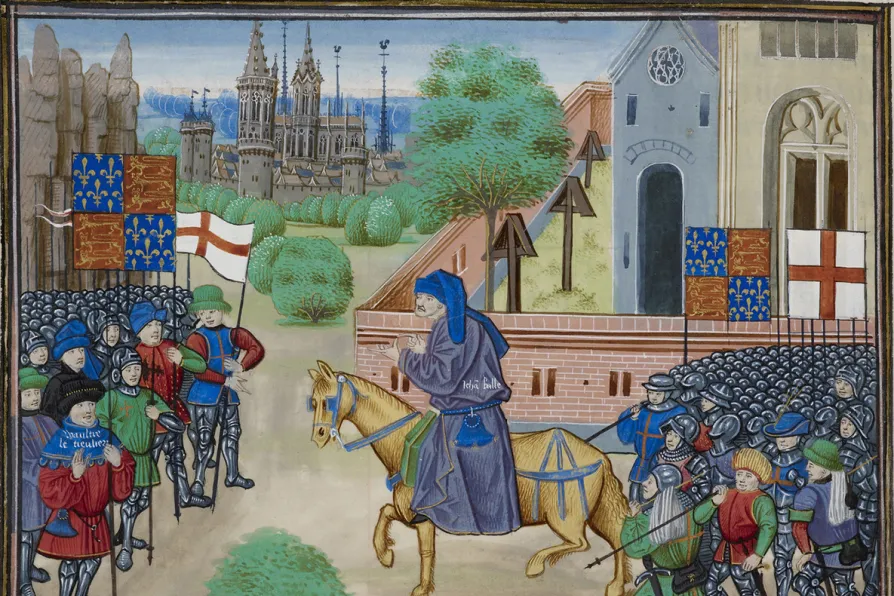
Class struggle is the motor of history but the direction and detail of change at any time and place is the outcome of many factors, suggests the Marx Memorial Library and Workers’ School
Dignity is important to all humans, argues the Marx Memorial Library and Workers’ School, but it does not come about automatically. In a less than perfect world, dignity can accompany suffering, but the collective dignity of working people is achieved through acting together to change the world.

Nature as well as society works dialectically, asserts the Marx Memorial Library and Workers’ School
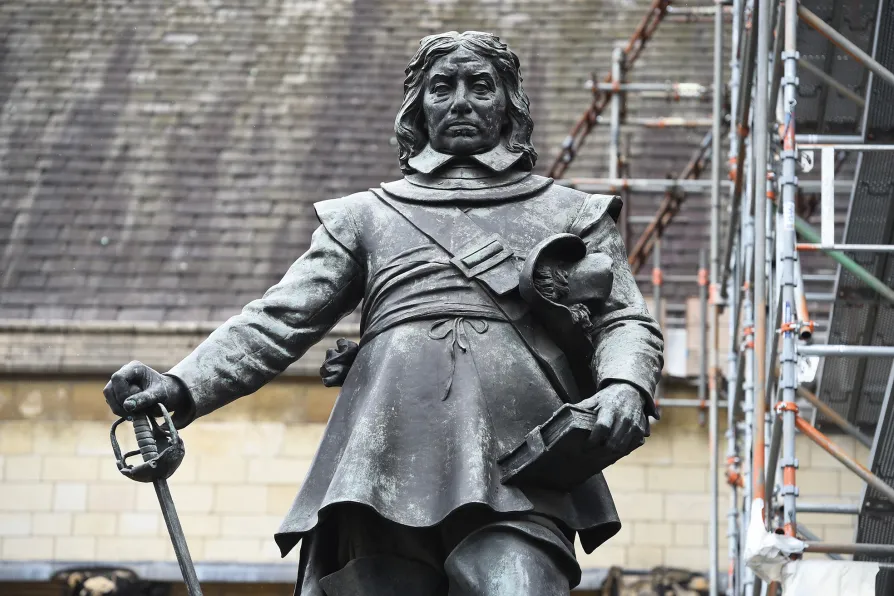
The selection, analysis and interpretation of historical ‘facts’ always takes place within a paradigm, a model of how the world works. That’s why history is always a battleground, declares the Marx Memorial Library