
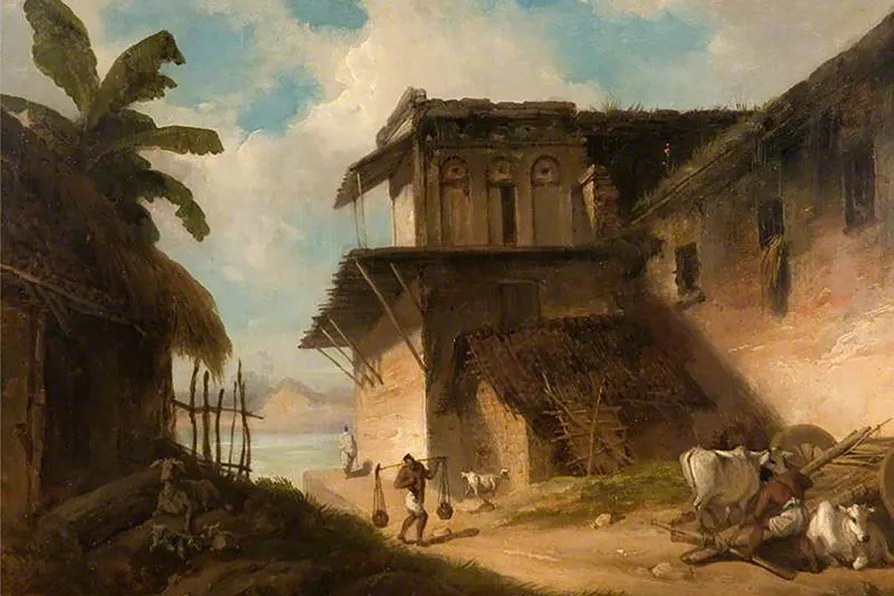
APURBA CHATTERJEE explains how British artists in India used the “picturesque” to reshape colonial landscapes and celebrate imperial power


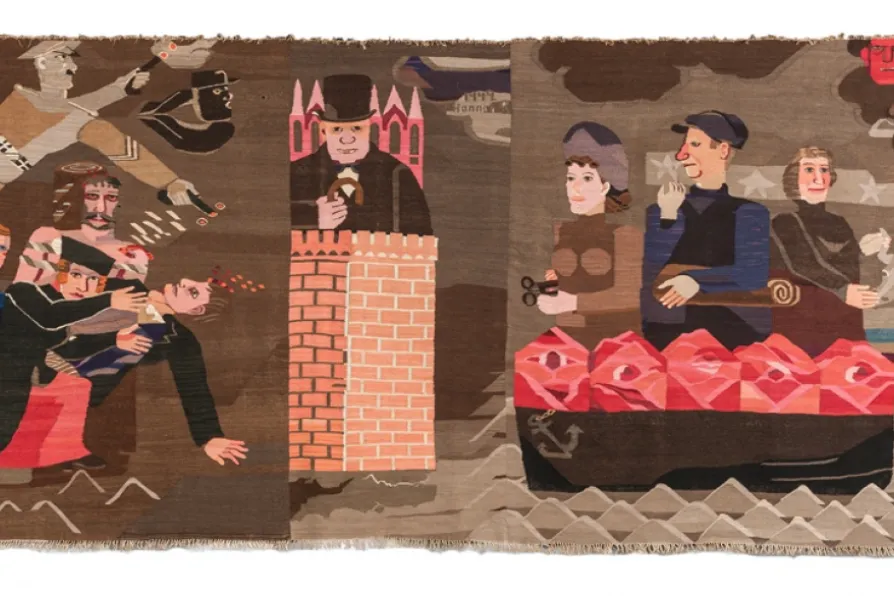
A timeless weaver of defiance, retribution and wit
The celebration of universal human values in the tapestries of Hannah Ryggen still speak to us across the decades, says CHRISTINE LINDEY

PAUL DONOVAN welcomes a revival of Reginald Rose’s classic play that reminds us of the fundamental need for trials with juries
SIMON PARSONS applauds an exceptional performance of Wesker’s little-known play, by the same actor for whom it was written 45 years ago
ANDY HEDGECOCK and MARIA DUARTE review Late Fame, The Death of Robin Hood, Leviticus, and Gail Daughtry and the Celebrity Sex Pass
ANGUS REID recommends a uniquely accomplished documentary collage that contemplates our relation to the natural world
GORDON PARSONS enjoys Kant’s ‘mind-boggling’ theory of human reality: that we create the reality we experience





Hannah Ryggen: Woven Histories
Modern Art Oxford
BECAUSE she dared to challenge the entrenched categorisation of “high” and “low” art, the artist Hannah Ryggen (1894-1970) is little known outside Scandinavia.
By marrying the folk craft of weaving with the sociopolitical content of history painting — the pinnacle of the high art hierarchy — she so confounded critical assumptions that she was easily ignored.
Born in the Swedish city of Malmo to a cook and ex-sailor/labourer, Ryggen never lost her working-class consciousness. Aged 19, she became a school teacher and it was then that a friend, the school cleaner, introduced her to the pleasures of the folk art of weaving. At the same time, Ryggen studied art at night school where she learned academic principles and techniques.

Similar stories
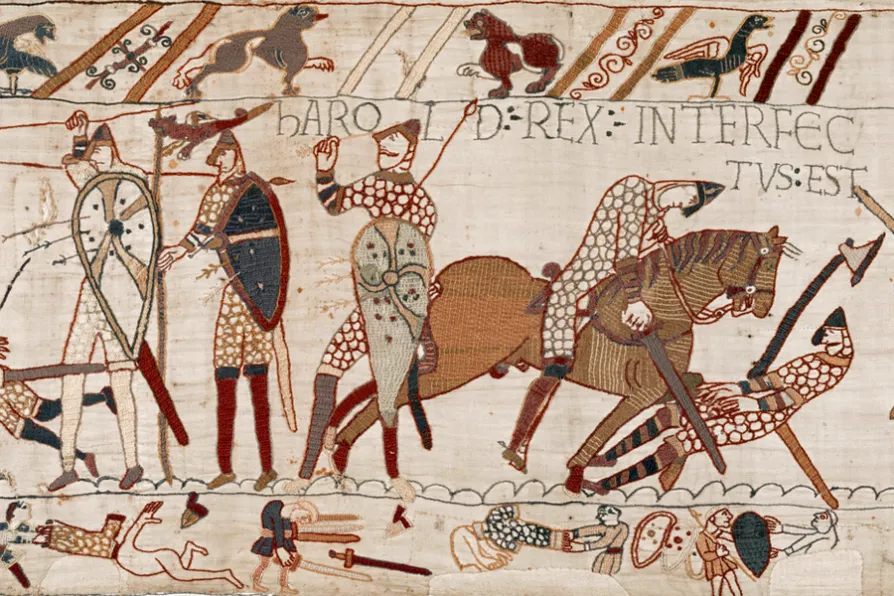
STEPHANIE BROWN draws attention to the hidden labour of the female embroiderers, and how a 19th century replica made no such error
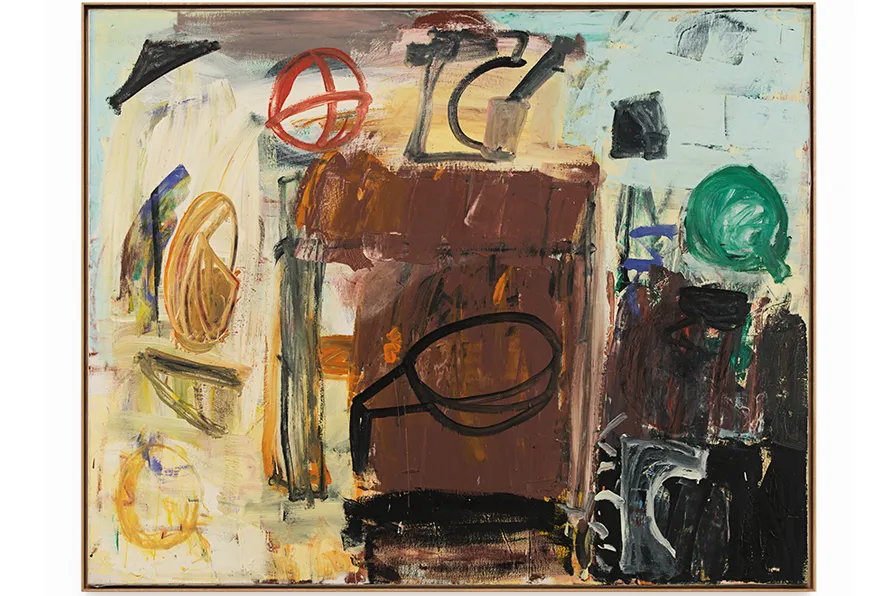
MIRANDA RICHMOND relishes the gloriously liberated art of Roy Oxlade, and traces his method back to the thinking of David Bomberg, his acknowledged teacher
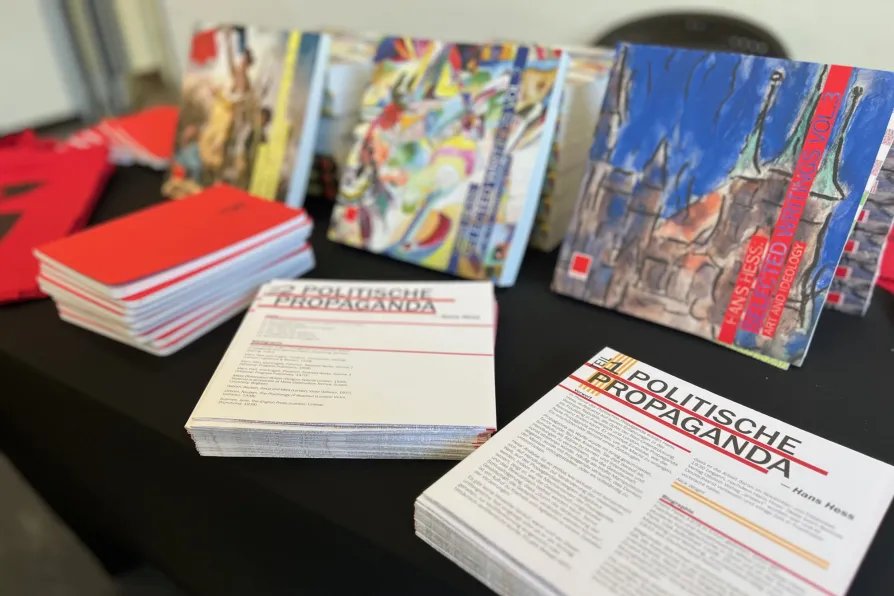
CHRISTOPHE IMMER of the Morning Star’s German sister paper Junge Welt reports on a Berlin conference on the politics of art and the legacy of Marxist critic Hans Hess
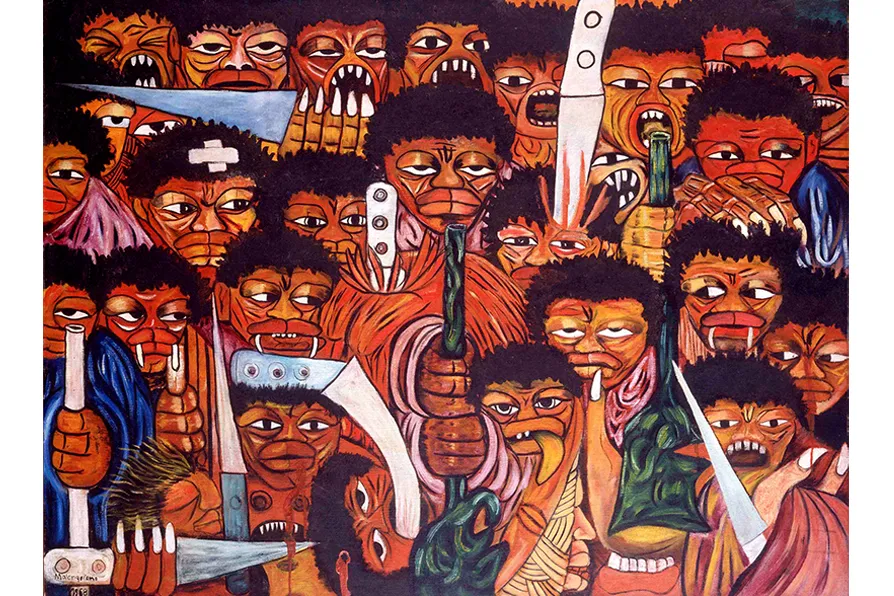
JOHN GREEN welcomes a remarkable study of Mozambique’s most renowned contemporary artist