
After months of uncertainty over printing and distribution, the first Scottish-printed edition of the Morning Star is soon to roll off the presses


Priti authoritarian, but Priti vulnerable: we can make a difference that could save Julian Assange
The Home Secretary’s decision to green-light the extradition of Julian Assange needs to be overturned by mass resistance, argues JOHN REES
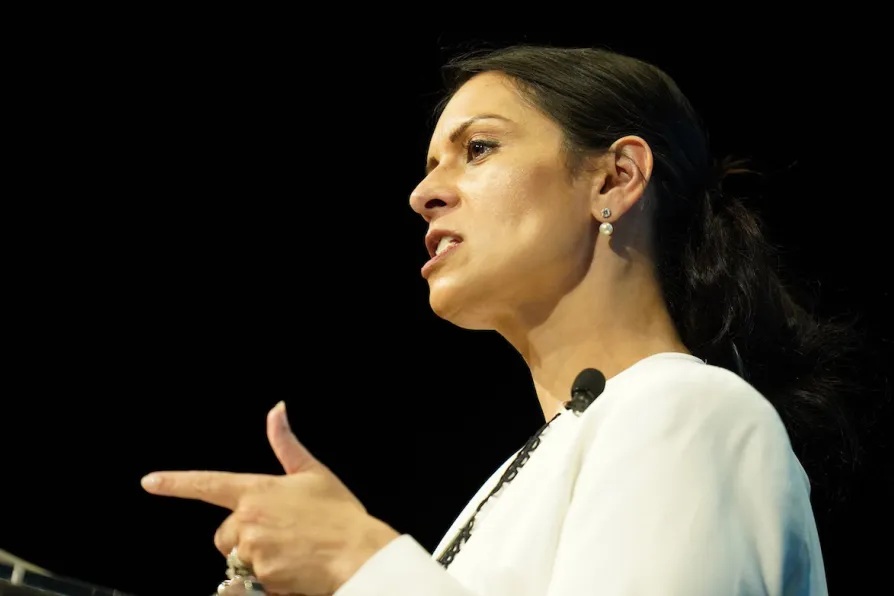
 Home Secretary Priti Patel

Some thinkers and authors on the right are openly discussing the possibility that the historically successful party of the British ruling class may be exhausted
Class struggle is the motor of history but the direction and detail of change at any time and place is the outcome of many factors, suggests the Marx Memorial Library and Workers’ School
Merseyside’s proud tradition of internationalism is being kept alive through events organised by trade unionists and allies in the region, writes ROBERT MACDONALD
JOHNNIE HUNTER reports from the German Communist Party’s (DKP) weekly Unsere Zeit (Our Newspaper)-organised Peace Days festival in Berlin last weekend
Les Preger was one of Manchester’s first volunteers to volunteer in support of republican Spain, writes his daughter JANEY PREGER
TONY BURKE surveys the shifting political landscape and the challenges Labour needs to address if it is to prevail in the 2028 federal elections





IF YOU have been living on one of the remoter planets of the known universe it will have come as a shock that the Home Secretary Priti Patel agreed last Friday to the US government’s demand that Julian Assange be extradited to face a trial which could land him with a 175-year prison sentence.
But for earth-dwellers, particularly those that have been following the Home Secretary’s wholesale attack on civil liberties, it will have been less of a surprise.
Patel and the Johnson government have plenty of reasons for disliking those who expose warmongering and corporate greed, as WikiLeaks did in successive releases for which the US now wish to charge Assange under its 1917 Espionage Act.

Similar stories
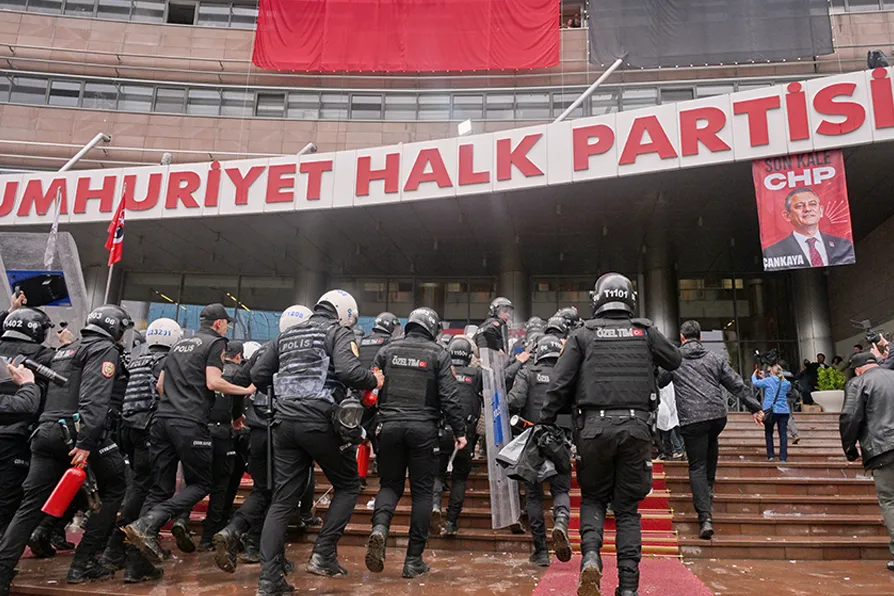
CLAUDIA WEBBE looks at how Britain’s Nato ally has upped the stakes in its effort to silence domestic dissenting voices

JOHN REES replies to Claudia Webbe
![[Pic: Andrew Wiard]](https://msd11.gn.apc.org/sites/default/files/styles/desktop/public/2026-01/19860330_a_wiard_0001JPG.jpg.webp?itok=nkzZbinE)
As advertising drains away, newsrooms shrink and local papers disappear, MIKE WAYNE argues that the market model for news is broken – and that public-interest alternatives, rooted in democratic accountability, are more necessary than ever

Speaking to the Morning Star’s Ceren Sagir, general secretary of the National Union of Journalists LAURA DAVISON outlines the threats to journalism from Palestine to Britain, and the unique challenges confronting the industry through the rise of AI