Preferable to Starmer he may be, but there is scant sign of a sharp political break in Burnham’s policies so far — while left challenges aren’t making much of a running either, finds ANDREW MURRAY. How can socialism be put back on the map?


 Latest editorial

Is the monster of Loch Ness really a toad?
Stories of a strange creature in Loch Ness never go away. Is there any truth in them? A sceptical PETER FROST investigates
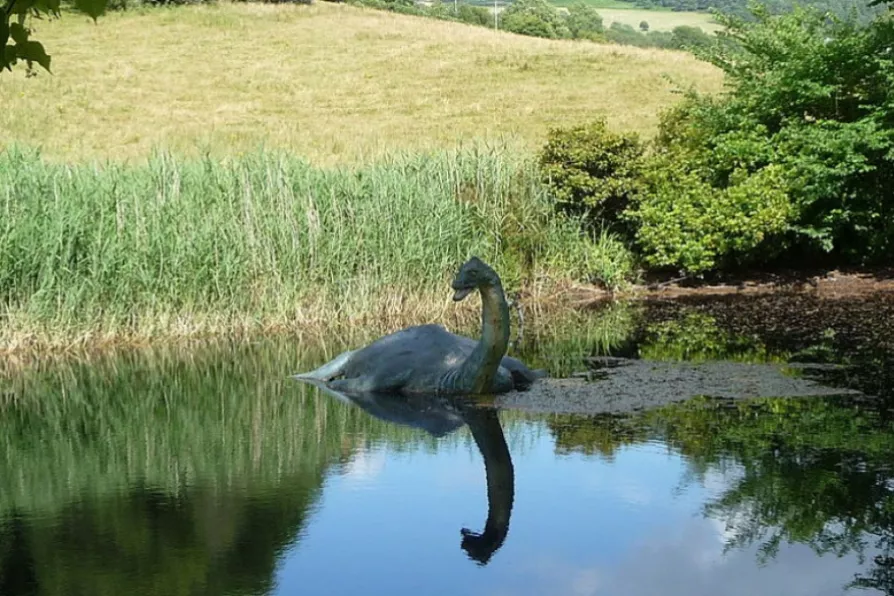 The Loch Ness Monster
[Immanuel Giel/Creative Commons]
The Loch Ness Monster
[Immanuel Giel/Creative Commons]

CHARLEY ALLAN reports from Clacton on Farage’s fears his by-election stunt has backfired
JEREMY CORBYN says we should never forget the horrific reality of nuclear weapons, or cease our efforts to rid the planet of them entirely
The new TUC Cymru general secretary speaks to Morning Star Wales reporter David Nicholson about her trade union background and ambitions for the movement
Internationalism is deeply embedded in socialist theory and practice. Examination illuminates its complexity asserts the Marx Memorial Library and Workers’ School
The Claudia Sheinbaum government is no pushover and is holding firm despite US abuses of the relationship, says DAVID RABY
As we approach the grim anniversaries of Hiroshima and Nagasaki, SIMON BARROW sounds the alarm over the dangerous and murderous direction our government is heading





BACK in August 2015 I wrote in these Ramblings about the Loch Ness monster. Since then the mystery of what curious beast, if any, occupies the dark clouded waters of this most picturesque of Scotland’s many lochs continues. Nessie, as some called her, continued to hit the headlines.
Today virtually everyone carries a mobile phone with a good and easy-to-use camera so it comes as a bit of a puzzle why more pictures of the Loch Ness beast have not been captured.
Last month the beloved paper of Tory idiots — the Daily Telegraph — revisited the monster story by rehashing a story from 2007. This was that the beast of the Loch could actually be a giant frog or toad.
An old theory about what the Loch Ness monster could be really be has resurfaced — and it has taken social media by storm.

Similar stories

After battling hills, rain and injury in a three-day cycle ride ending at the CWU conference, MATT KERR reflects on why class unity remains the answer to injustice
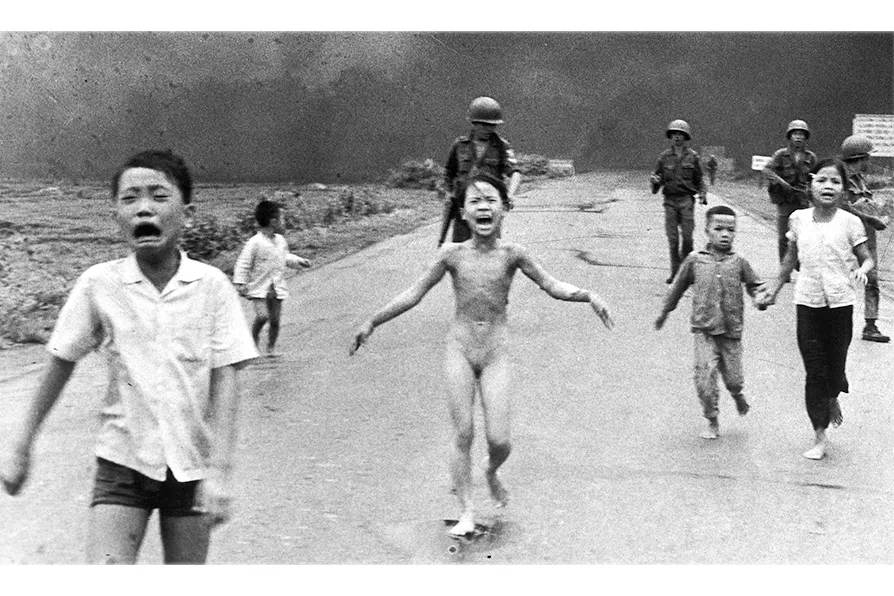
If true, the photo’s history is a damning indictment of the systematic exploitation of non-Western journalists by Western media organisations – a pattern that persists today, posit KATE CANTRELL and ALISON BEDFORD
One of the major criticisms of China’s breakneck development in recent decades has been the impact on nature — returning after 15 years away, BEN CHACKO assessed whether the government’s recent turn to environmentalism has yielded results