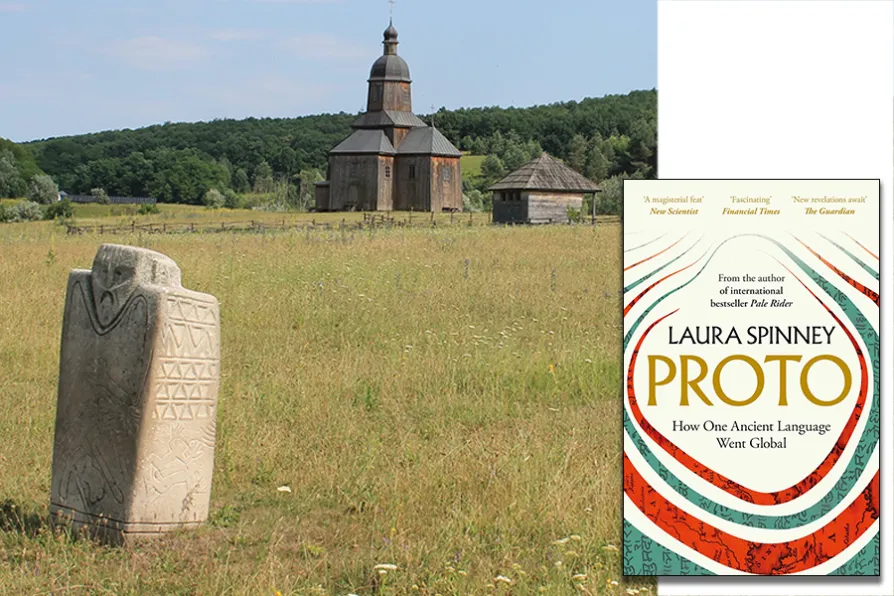
KEN COCKBURN traces the one original language – that of the Yamnaya pastoral nomads – from which all European and Indian languages derive


 Latest editorial
Who really photographed ‘Napalm Girl’?
If true, the photo’s history is a damning indictment of the systematic exploitation of non-Western journalists by Western media organisations – a pattern that persists today, posit KATE CANTRELL and ALISON BEDFORD
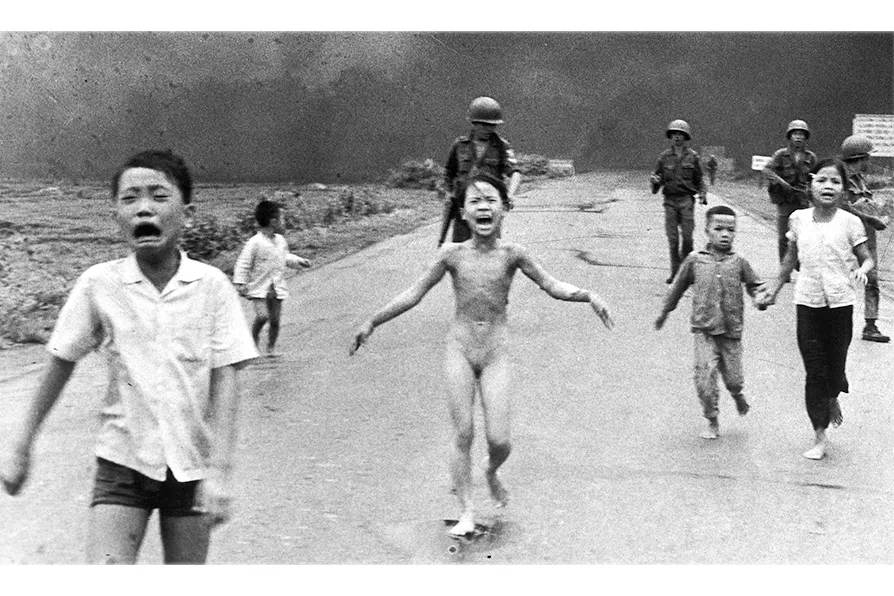 THE HORROR REMAINS: (above) ‘The Terror of War’, photograph showing naked Phan Thi Kim Phuc (9 surrounded by brothers and cousins) running down a road near Trang Bang, Vietnam / Pic: Public domain/CC
PAUL DONOVAN is fascinated by the debunking of the iconic British war hero
ALEX HALL recommends a searing panorama of our global predicament
Comics are not just superheroes and spandex – it can be public art, telling public stories, suggests HARRIET EARLE
ALEXEI SAYLE speaks to Angus Reid about a lifetime of protest, how to hone political art – and what to do now
The bard serenades the Diggers of Wigan and their festive followers





THE Terror Of War, commonly known as “Napalm Girl”, is one of the most enduring and influential images of the 20th century.
Captured on June 8 1972, the photograph shows nine-year-old Kim Phuc running naked toward a camera. She has her arms outstretched, and is flanked by other children screaming in terror after a napalm strike on their village during the Vietnam War.
For five decades, the photo has been credited to Nick Ut, a then 21-year-old Vietnamese photographer working for the Associated Press (AP) in Saigon.
The image earned Ut the Pulitzer Prize and World Press Photo of the Year in 1973, and the National Medal of Arts (America’s highest honour for artists) in 2021.
His account of the moment – how he photographed Phuc, then rushed her to hospital to save her life – has become inseparable from the photo’s legacy. But a new documentary calls this narrative into question.
Recently released on Netflix, The Stringer is directed by Bao Nguyen and narrated by photojournalist Gary Knight. It claims the iconic image was actually taken by a local freelance photographer – a “stringer” – paid just $20 (£8 — the average weekly salary in the UK at the time was about £40) by the AP and given a print of the photo, before his contribution was erased from history.
If true, Napalm Girl becomes not only a damning indictment of war’s brutality, but also of the systematic exploitation of non-Western journalists by Western media organisations – a pattern that persists today.
The first media war
The Vietnam War, dubbed the living room war, was the first conflict fought in the global media spotlight.
While reporters were embedded in military units during the world wars, the horrors of those conflicts remained carefully curated – limited by the technological constraints of monochrome print and government censorship.
By the late 1960s, everything had changed. War’s violence arrived in full colour, broadcast on the evening news and splashed across the pages of magazines. America’s failure in Vietnam was increasingly apparent. And media coverage of the 1968 Mai Lai massacre turned the tide of public opinion, intensifying the anti-war movement.
By 1972, the writing was on the wall. Australian troops withdrew following massive protests during the 1970 moratoriums.
In the United States, anti-war sentiment reached fever pitch. The publication of an image showing a young Vietnamese girl naked and severely burned as she fled a misdirected attack by South Vietnamese forces only accelerated the inevitable.
A theatre of conflict
The Stringer is a kind of detective story that hinges largely on testimony from Carl Robinson, the AP’s photo editor in Vietnam at the time the photo was taken.
Now in his eighties, Robinson claims once the photo was developed, AP’s Saigon bureau chief Horst Faas ordered the credit be changed to Nick Ut instead of the actual freelance photographer, Nguyen Thanh Nghe, ensuring the image remained AP property.
The filmmakers build their case methodically through archival footage and witness accounts, including an interview with the stringer.
Perhaps the most compelling evidence emerges at the film’s climax, when French independent forensic-investigation company, Index, presents a visual-spatial timeline of the day’s events using aerial photographs, video recording and satellite imagery.
Through 3D modelling, the investigators propose Ut was not in the right position to take the photo. In fact, 15 seconds after the photo was taken, Ut was standing 250 feet away.
To have taken the shot, he would have needed to sprint about 75 metres in seconds, while somehow remaining outside the frame of another camera crew filming the scene.
Index concludes Ut’s authorship is “highly unlikely” and editorially “doesn’t really make sense,” since Ut, if he had taken the photograph, would have then moved away from the action rather than toward it.
The stringer too is unequivocal: “Nick Ut came with me on that assignment, but he didn’t take that photo […] That photo was mine.”
Ut declined to be interviewed for the film. In a statement posted to Facebook, he called the accusation “a slap in the face.”
The fallout
Following The Stringer’s premiere at Sundance in January this year, both World Press Photo and the AP launched investigations into the documentary’s claims.
In May, World Press Photo suspended the attribution of authorship to Ut, concluding that “based on analysis of location, distance, and the camera used on that day, photographers Nguyen Thanh Nghe or Huynh Cong Phuc may have been better positioned to take the photograph than Nick Ut.”
The statement went on: “Importantly, the photograph itself remains undisputed, and the award for this significant photo […] remains a fact. Only the authorship is suspended and under review. This remains contested history, and it is possible that the author of the photograph will never be fully confirmed.”
At the same time, the AP published a 97-page report concluding there is no definitive evidence Ut did not take the photo, and therefore retained the attribution to him.
In the same report, however, the AP conceded its internal investigation raised “unanswered questions,” and that it “remains open to the possibility” Ut did not take the photo.
The image remains available from the AP under Ut’s byline. But World Press Photo now lists the photograph’s author as “indeterminate/unknown.”
Attribution in the AI age
Questions of authorship and attribution have taken on new urgency in a world of generative AI, where fabricated images, text and video are virtually indistinguishable from human-made work.
Despite huge technological advances since the 1970s, the underpinning systems remain unchanged: large corporations still appropriate the work of the less powerful without attribution or compensation.
The filmmakers claim “this was something that happened to Nick” as well, and that he had no agency in the AP’s reported decision to change the photo credit. The documentary concludes: “What we accept as the official record is often shaped more by power than perspective […] even the most entrenched histories deserve to be reexamined.”
Kate Cantrell is senior lecturer, Writing, Editing and Publishing at the University of Southern Queensland; Alison Bedford is senior lecturer Curriculum and Pedagogy, University of Southern Queensland.
This article is republished from The Conversation under a Creative Commons license.
Please DO NOT REMOVE. —><img src=”https://counter.theconversation.com/content/267440/count.gif?distributor=republish-lightbox-basic” alt=”The Conversation” width=”1” height=”1” style=”border: none !important; box-shadow: none !important; margin: 0 !important; max-height: 1px !important; max-width: 1px !important; min-height: 1px !important; min-width: 1px !important; opacity: 0 !important; outline: none !important; padding: 0 !important” referrerpolicy=”no-referrer-when-downgrade” /><!— End of code.

Similar stories
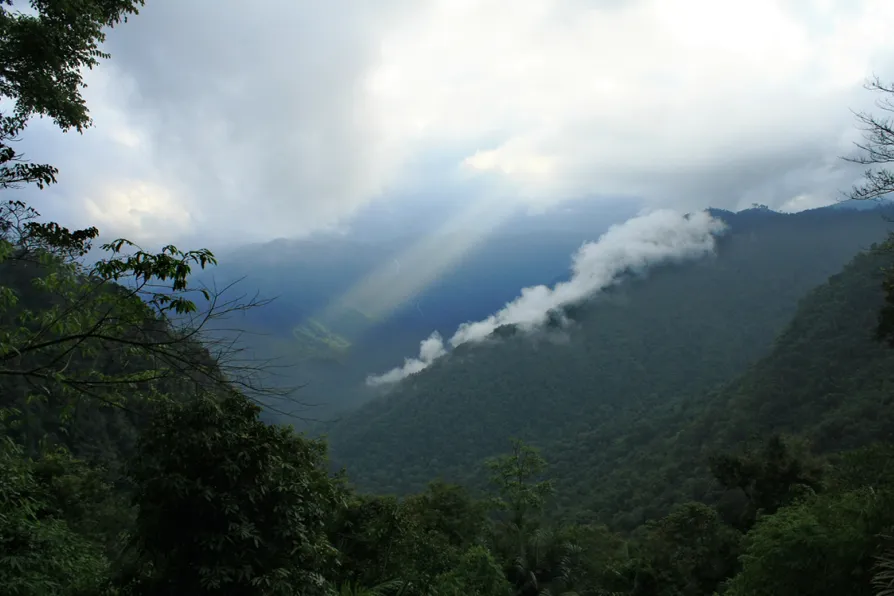
India’s monsoon is running below normal overall, yet extreme rainfall has already caused deadly flooding in Kerala, explains LIGIN JOSEPH
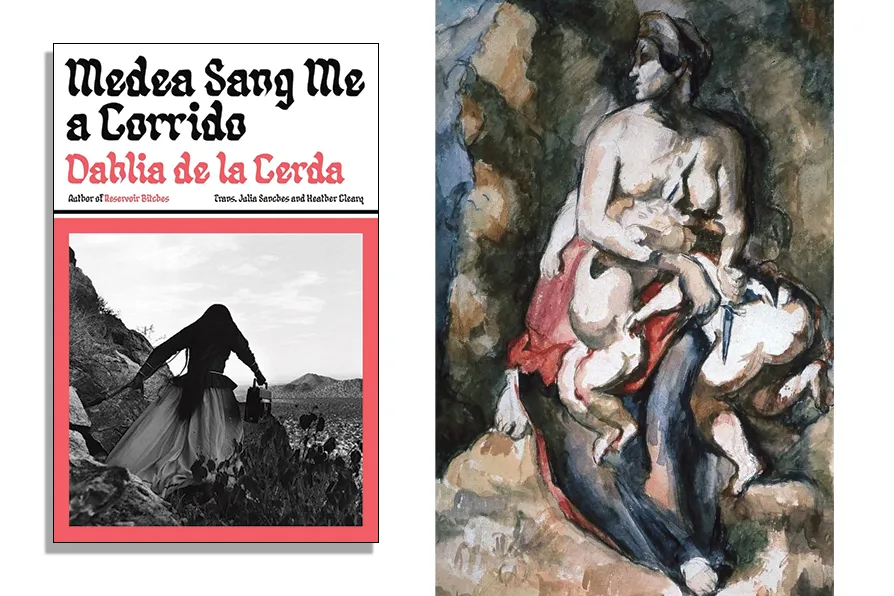
In a season of Greek mythology NIAMH THORNTON looks at an intriguing relocation of Medea to contemporary Mexico
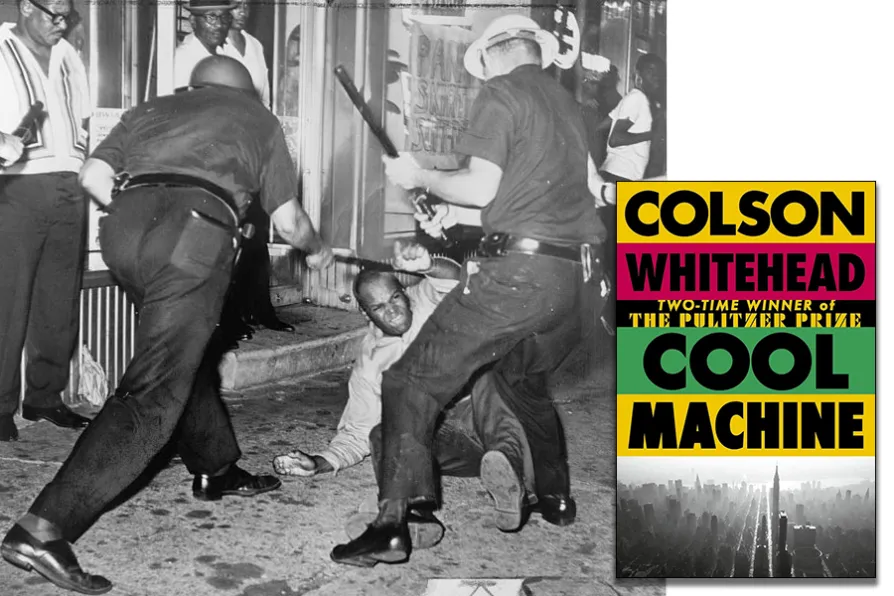
DOUGLAS FIELD relishes the hard-boiled language, satire and humour of the third and last of the Harlem trilogy
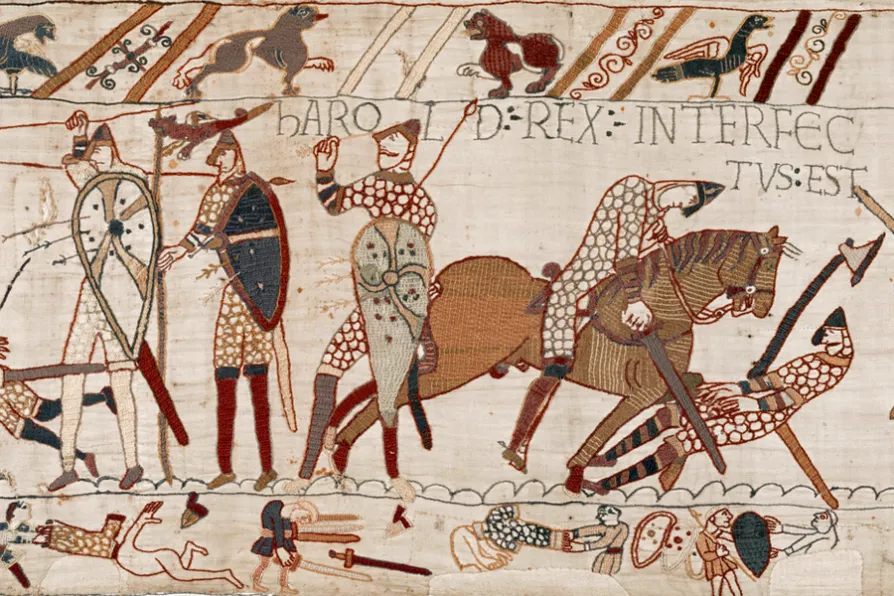
STEPHANIE BROWN draws attention to the hidden labour of the female embroiderers, and how a 19th century replica made no such error