ROB WARZYNIAK recalls the emblematic 1906 book, The Jungle, in its analysis of the crisis presently engulfing the US Food and Drug Administration


 Latest editorial

The TUC should not support the British government's war policy in Ukraine
Stop the War Coalition's CHRIS NINEHAM explains why a resolution before Congress this year risks committing the labour movement to a policy of escalating the war in Europe


Welsh wanderings showcase fiery destruction, alternative water ways and revive memories of a local mining legend, writes MARK SEDDON
As thousands die in the eastern DRC, a global health emergency is being starved of funds, says S KRISHNASWAMY
MAT COWARD explains how in the 17th century a row over whether to kneel at communion became a battle over religion, class and royal power
Renewed illusions in social democratic reformism are sprouting as a result of Andy Burnham’s rhetoric, but material conditions are already intruding into the debate, argues NICK WRIGHT
Andy Burnham could learn a few lessons from a previous Labour government in the pre-privatisation era on how to tackle water shortages, writes KEITH FLETT





THE trade union movement in Britain has an excellent recent record of opposing Britain’s involvement in foreign wars. Ever since the invasion of Afghanistan in 2001, through the dreadful attack on Iraq and the bombing of Syria and Libya, unions have played an important role not just in opposing successive British governments’ warmongering but in mobilising against it.
Last year a GMB resolution calling for increased arms spending narrowly passed at the TUC after an intense debate, undermining that record. It called on Congress to back an increase in arms spending to 3 per cent of GDP at a time when wages were in free fall and welfare was being slashed. It actually put the TUC to the right of the Tory government which even now only dares to push for 2.5 per cent arms spending.
This year a composite resolution on Ukraine threatens to overturn the trade unions’ anti-war record. The resolution follows logically from last year’s call for increased arms spending by effectively asking the movement to back Tory war policy against Russia.

Similar stories
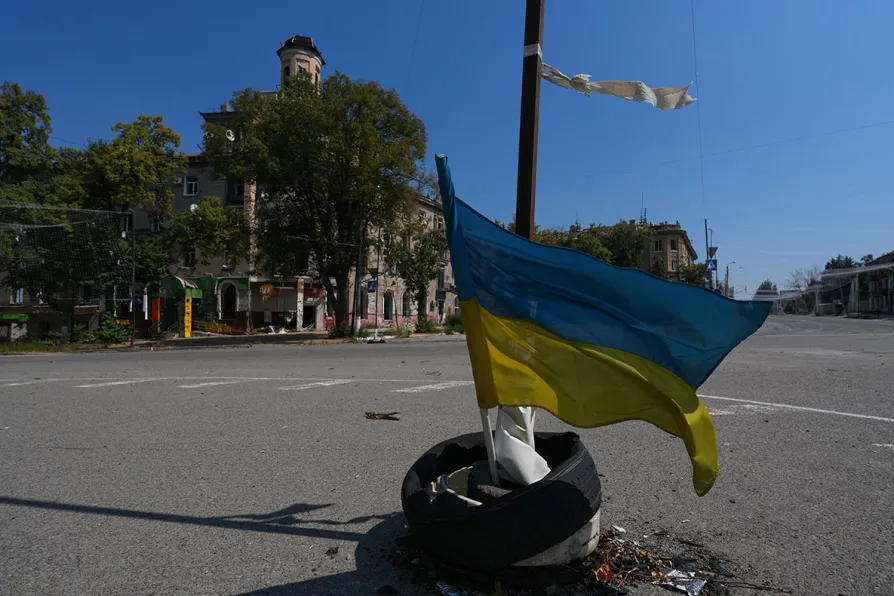
Andy Burnham offers unconditional support for Zelensky but no solutions to the underlying conflict between the Nato/EU bloc and Russia, says NICK WRIGHT

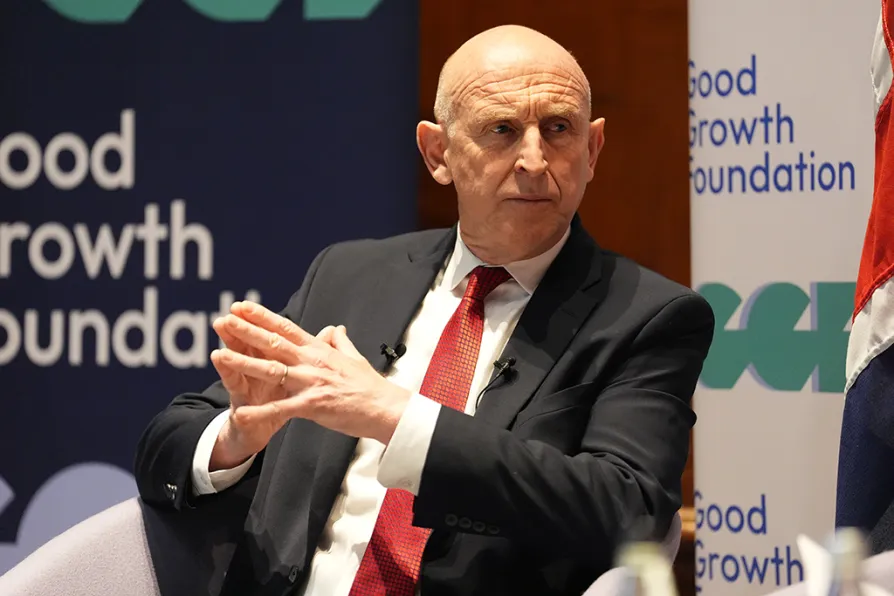
The defence secretary’s resignation reveals not a split over principle but a dispute over pace of military spending, as Britain’s political Establishment unites behind deeper Nato commitments, argues NICK WRIGHT

SEVIM DAGDELEN asks why the European Union is targeting the Swiss academic Jacques Baud, cutting off his access to banking services