
Working people across Britain are fighting back against austerity, war, repression and exploitation. The challenge now is to unite those struggles, says Communist Party of Britain assistant general secretary JOHNNIE HUNTER

Historical lessons to counter a current drought of ideas
Andy Burnham could learn a few lessons from a previous Labour government in the pre-privatisation era on how to tackle water shortages, writes KEITH FLETT
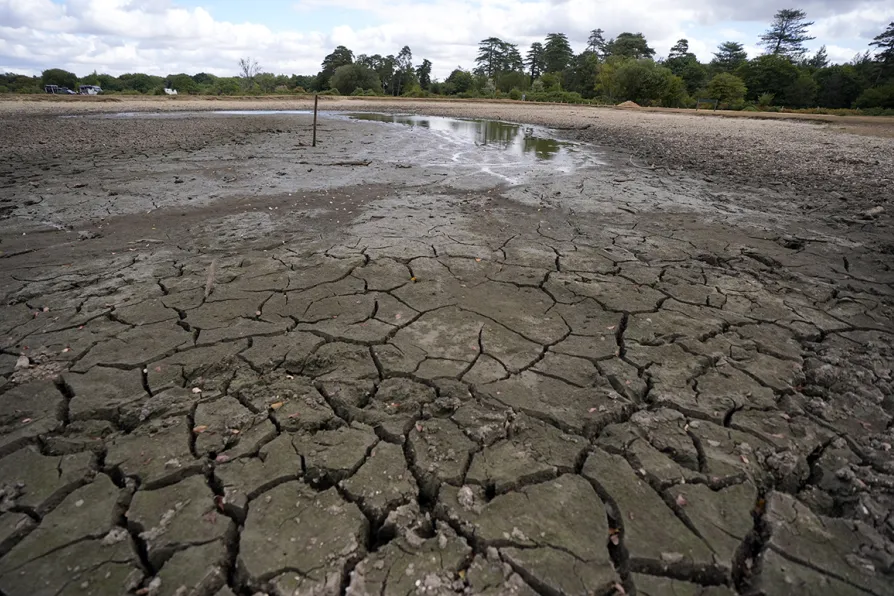
 A view of a dried up Janesmoor Pond in the New Forest, August 5, 2026

Train drivers’ union Aslef general secretary DAVE CALFE speaks to Ben Chacko about his hopes that Burnham’s devolution agenda will include the importance of the railway
DIANE ABBOTT provides an analysis of the reasons for EU and British voters’ dramatic swing to the right
MAT COWARD has heaps of good advice on recycling garden and household waste over the winter
The UK Prime Minister may have the regal touch in northern England, but he’s been wrong-footed on the constitutional challenges posed by the Celtic Alliance of first ministers from Scotland, Wales and Northern Ireland, argues KENNY MacASKILL
A look at Taylor Wimpey’s accounts shows why Labour’s market-led housing strategy won’t deliver more, cheaper homes, as promised, says SOLOMON HUGHES
Challenges from the unscrupulous misuse of AI to steal actors’ voice and physical likenesses is being met with a firm union response, writes LYNDA ROOKE





IN 2026 all of Wales and three-quarters of England were in drought before the middle of August. The water usage of data centres and the huge amount of water wasted through Thames Water leaks due to maintenance failure are among the issues in the frame.
It may well be the hottest summer on record against a backdrop of record temperatures in the 2020s. This has led to increased deaths and strikes by London bus drivers faced with 40°C heat in their cabs.
Reality has intruded on the climate change deniers of the political right a bit as a result. Most no longer deny it is happening but now claim there isn’t much that can be done. Some like Reform’s Richard Tice argue that people should just enjoy the hot weather.
The comparison is often made with another very hot summer, that of 1976, 50 years ago. On July 10 1976, Tony Benn was at his family home, Stansgate and recorded: “Still unbelievably hot. It’s been in the eighties and nineties for about a month now and the grass is absolutely brown.”
The Labour government took action and a Drought Act was passed. Speaking in the Commons on August 4 1976, Denis Howell, the minister responsible, addressed among other things, how much bath water it was appropriate to use.
In 50 years, the message has moved from individual behaviour to lack of corporate responsibility.
In 1976 water was yet to be privatised. Speaking in the Commons, Howell said: “We ask people not to use half-empty dishwashers and washing machines but to save up the wash until they have a full load. We ask people to cut down on bath water. I was about to say that they should cut it down to six inches, but I have discovered that one water authority is asking people to use only three inches, which seems even more difficult than what we were asked to do during the war. However, if people can have a shower instead of a bath and use their common sense about the amount of bath water they use, this will be very helpful. Leaky taps are another source of wastage which ought to be dealt with immediately.”
The Commons debate contains little of great interest. MPs agreed the Act was needed if perhaps late. A few far-seeing MPs wondered if the climate might be changing but didn’t go further.
Concerns were raised that with a hosepipe and non-essential watering ban in place the pitches at Lords and Wembley might be impacted (they were excluded). It was also established that watering of golf fairways was not allowed but the greens were acceptable. The water campaigner Feargal Sharkey has raised this issue again in 2026. Just as was done 50 years ago, the watering of golf course greens continues.
In 1976, Liberal MP Clement Freud noted that if people drank two pints of beer less a day it would save 23 gallons a person (11.5 gallons a pint) and six gallons saved in flushing the toilet twice. This is not a matter Nigel Farage has raised so far in 2026.
The summer of 1976 was a one-off and is seen nostalgically as such by those who are often now climate-change deniers. The summer heatwave is clearly not a one-off event but part of a pattern of global warming. In 1976, a Drought Act became law on August 24. It was followed by floods.
Andy Burnham’s government, seemingly keen to learn from the 1970s Wilson government, might look at the Act not as nostalgia but as a guide to action.

Similar stories
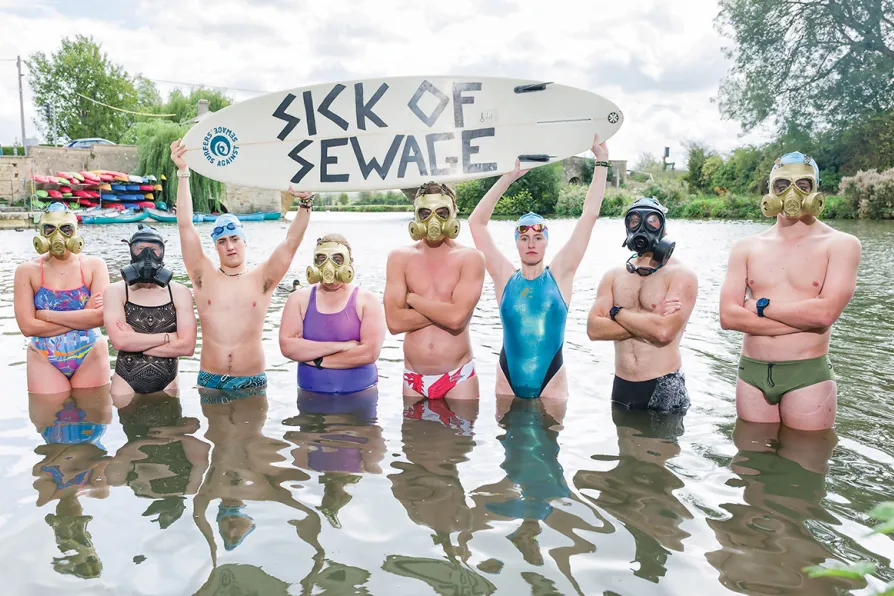
MARK SEDDON tries to cool off in the countryside to avoid the heatwaves but the greed and incompetence of the privatised water industry is now at boiling point


MAT COWARD says the heatwave is a testing time for gardeners — but he has some tips
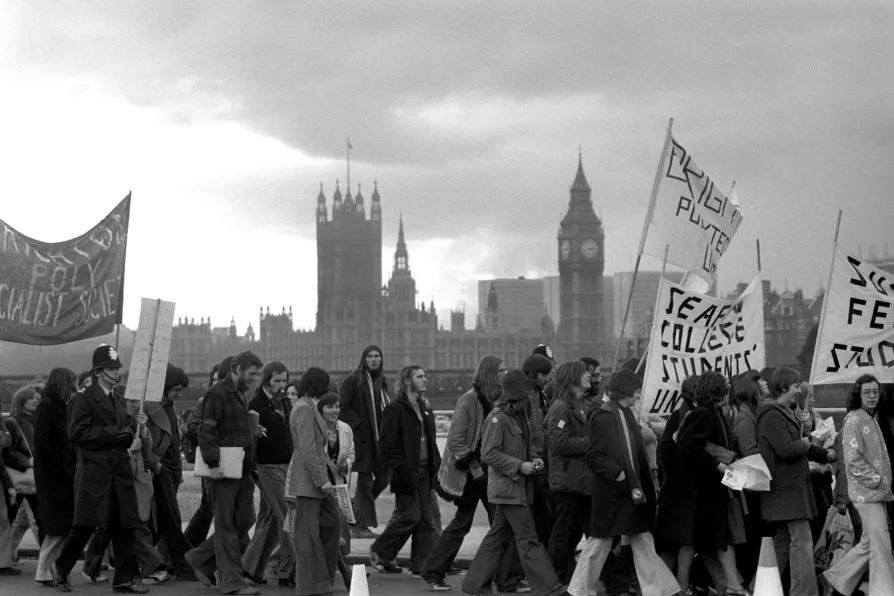
Despite the screeching from the right-wing media, Burnham’s speech chimed with the public mood - and socialists should take advantage, says Morning Star editor BEN CHACKO