Committee for the Defence of the Iranian People’s Rights general secretary GAWAIN LITTLE discusses the impact of the US-Israeli war on the Iranian people and economy


 Latest editorial

To whom is Thatcher fanboy Starmer trying to appeal?
Instead of trying to woo Conservative voters by worshipping at the altar of the Iron Lady, Labour should instead look at the numbers who support a return to the post-war welfare state, writes NICK WRIGHT
 Starmer’s substantive purpose is to convince our ruling class — principally the monopolies, banks, defence industry, the upper ranks of the Civil Service, the military and intelligence agencies and the big business media and; above all, the US and Nato, that Labour in government would be a reliable custodian of the existing system.

Capitalism has extracted itself from crisis before, argues PRABHAT PATNAIK – but through methods no longer available. So it is turning to authoritarianism, militarism and neocolonialism
The five young men killed in the A66 crash were responsible for a devastating tragedy — but the crash should force us to ask difficult questions about wider society, argues RENATA MEDEIROS MIRRA
Britain funds the policing of black culture 16 times better than the culture itself. The Diamond Jubilee is the moment to end that, argues CLAUDIA WEBBE
Despite Andy Burnham’s declaration defending the continued partition of the island, all major international and internal trends are converging to make Irish reunification inevitable
Humans are part of the ‘animal kingdom’ – and of nature in general – but also distinct from it and labour (work) is part of what makes us unique, declared Engels. His insights 150 years ago into how our species came to be and how we differ from the rest of nature, are as important today as they were then, says the MARX MEMORIAL LIBRARY





WHEN Sir Keir Starmer said Margaret Thatcher had effected “meaningful change” he was, briefly, in accord with majority opinion.
If Thatcher transformed post-war Britain she was not the first. Clement Attlee, who led the post-war Labour government that introduced the National Health Service and nationalised the key industries — rail and road transport, coal and steel — that were essential if the profitability of British capitalism was to continue, was first.
His predecessor, Winston Churchill, wanted to preserve Britain’s imperial position and even set in motion plans to mobilise the defeated Wehrmacht once again against the Soviet Union.

Similar stories
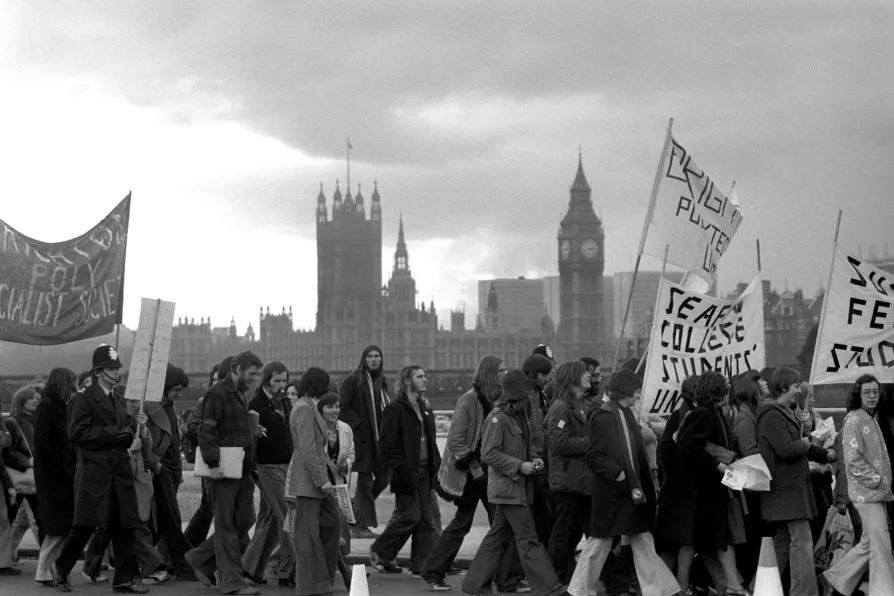
Despite the screeching from the right-wing media, Burnham’s speech chimed with the public mood - and socialists should take advantage, says Morning Star editor BEN CHACKO
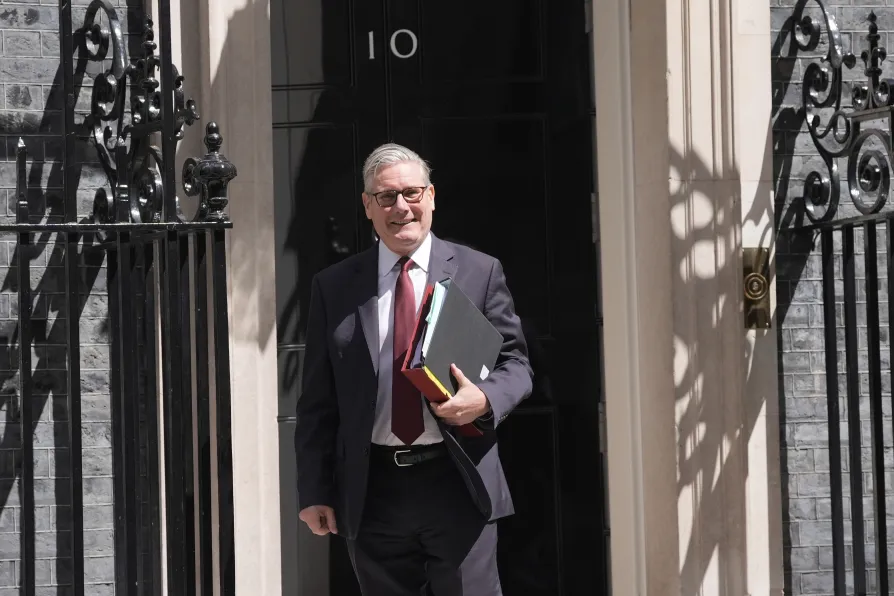

If the government really wanted to address public finances, improve living standards and begin economic recovery, it would increase its borrowing for investment, argues MICHAEL BURKE
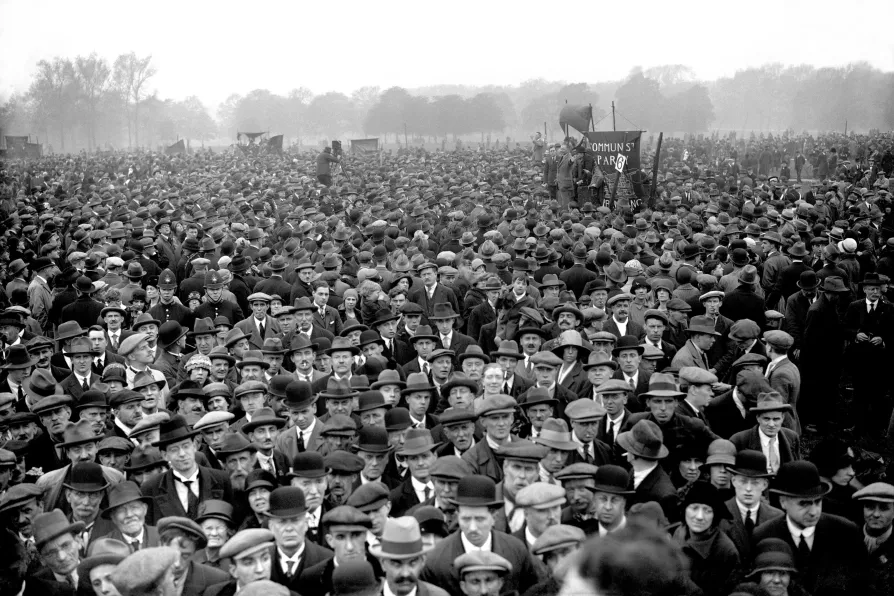
BEN CHACKO says in different ways, the centenary of the General Strike and that of Fidel Castro’s birth point to priority tasks for the British left in the coming year